Pin-pointing better wound healing through microneedles
3D printing microneedles for personalised wound care therapy
Project summary
The Challenge
Chronic wounds are painful, costly and hard to heal. Infections protected by bacterial biofilms resist antibiotics, increasing pressure on patients and health systems.
The Approach
Researchers in Hull and Japan are co-developing 3D printed microneedles that deliver antibacterial and healing agents directly into wounds, tailored to individual needs.
The Outcome
This research could improve healing, reduce antibiotic use and help tackle antimicrobial resistance, moving personalised wound care technology closer to clinical use.
Institutes and centres

Lead academics
Project funded by

Project Partners

Developing individual treatment therapies through 3D printed microneedles
We’re moving innovative wound care technology closer to clinical application, developing personalised treatment tools that benefit patients and society.
The Challenge
Chronic wounds affect millions of people worldwide, particularly older adults and those living with conditions such as diabetes. These wounds are painful, slow to heal and expensive to treat, costing the NHS billions of pounds each year.
A major problem is infection. Many chronic wounds contain biofilms, communities of bacteria that form a protective layer, making them hard to treat with standard antibiotics. As antimicrobial resistance continues to rise, there is an urgent need for new treatments that can tackle infection locally while also helping the body repair damaged tissue.

In 2023, UK health expenditure was 11.1% of GDP and Japan’s was 10.7% of GDP*
Microneedle arrays are considered a promising tool for direct delivery of wound therapeutics. However, conventional 3D printing techniques adopt a “one-size-fits-all” approach, using materials with inherent incompatibilities or instabilities, and producing arrays which don’t consider different skin conditions or bodily contours.
The Approach
Drawing on the strengths of researchers in Hull and Nagoya, the project team are developing a smart microneedle patch designed to both fight infection and support healing. The patch contains a series of microscopic needles that gently penetrate the skin, causing minimal discomfort while delivering treatment directly where it is needed.
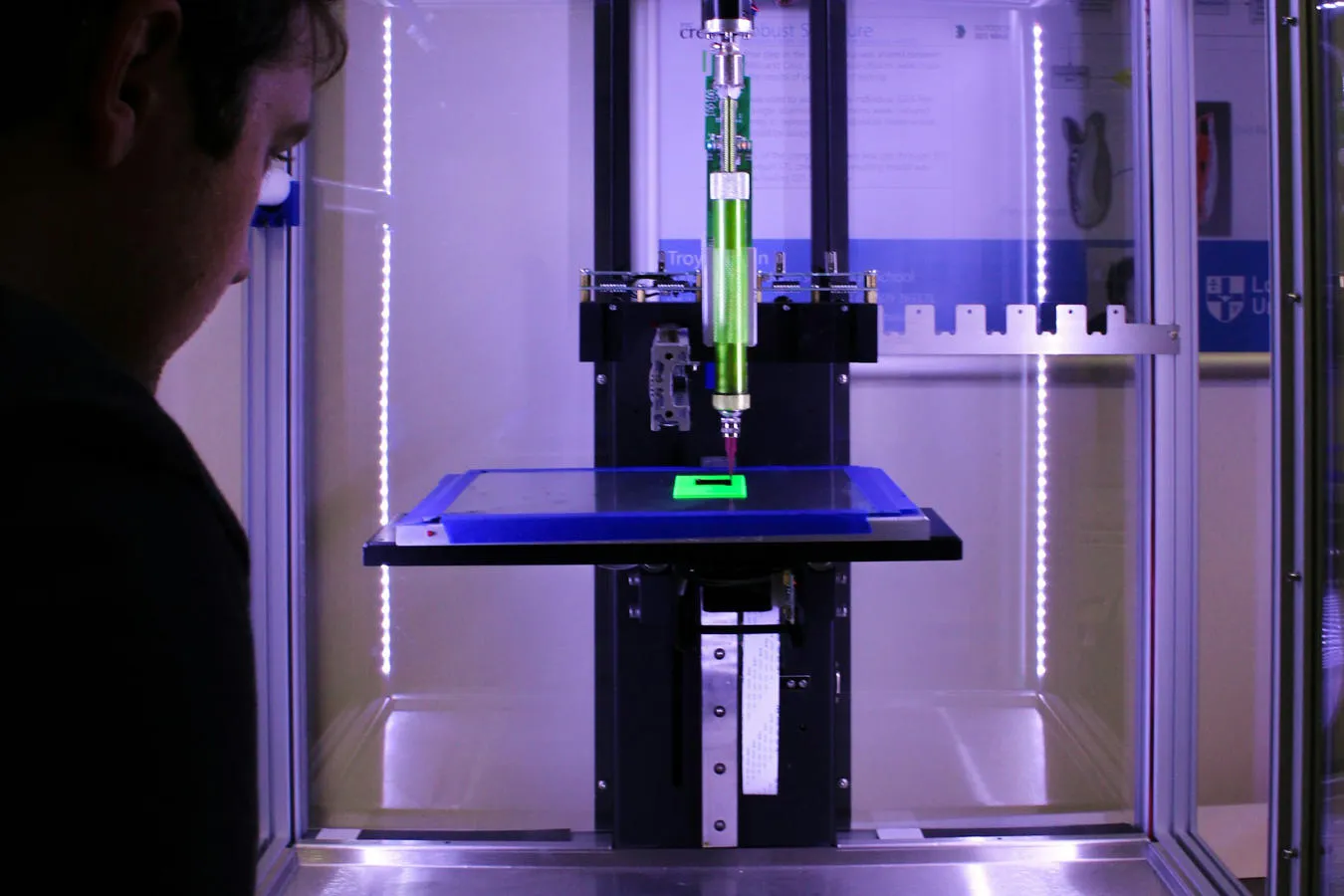
Each needle is made with bioactive glass – a medical material that safely releases helpful substances when it is applied to a wound. Drawing on Hull’s expertise in advanced 3D printing techniques, the team will explore the potential for varying the size and shape of the microneedles to suit different wounds.
The microneedles are designed to work in stages: first releasing antibacterial agents to break down biofilms and kill bacteria, then delivering healing substances that encourage blood vessel growth and tissue repair. This targeted, step by step approach reduces the need for antibiotics and supports longer lasting healing.
The new microneedle arrays will undergo mechanical and biological testing using in vitro cell and microbial wound models in Hull, Nagoya and at Diamond Light Source – the UK's national synchrotron facility.
The research team
Dr Amirpasha Moetazedian, University of Hull project lead
Professor Akiko Obata, Nagoya Institute of Technology project lead
Mr Kohei Hosoki
Mr Kazumasa Ikedo
Mr Kento Yoshizawa
The Impact
This research could transform how chronic wounds are treated, improving outcomes for patients while reducing pressure on healthcare services. By delivering treatment directly to the wound, the technology targets infection more effectively and helps the healing process begin sooner.
The innovative 3D-printed microneedles also have the potential to reduce the reliance on antibiotics for chronic wound therapy, supporting the fight against antimicrobial resistance.