Centre for Addiction and Mental Health Research
Suicide Prevention and Social Justice
Group members
Get in touch
Get in touch
Our research focuses on addressing suicide as a global public health issue by exploring how social justice and structural inequalities contribute to vulnerability.
For more than two centuries, the dominant way of framing suicidality has been as an individual mental health problem, and this has shaped how suicide is conceptualised in policy and responded to in practice.
There is a pressing need to develop interventions to prevent suicide at a societal level. Our research is timely and important as it aligns with national and international research priorities, and strongly reflects current social, political and economic conditions.
Cluster lead
Jo is a social scientist and lead for the Suicide Prevention and Social Justice cluster. She is a member of the International Association for Suicide Prevention and the International Death Online Research Network.
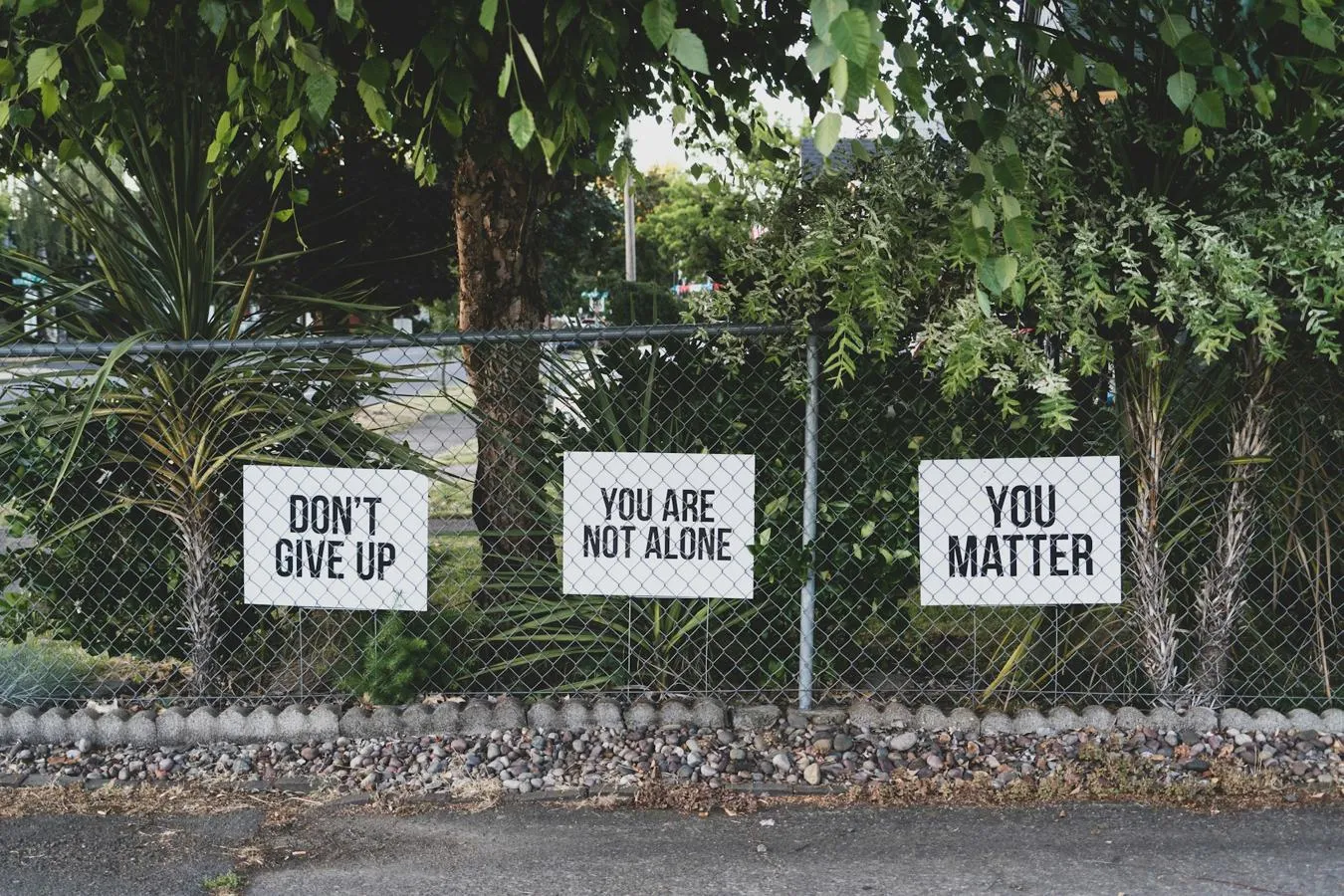
Suicide is an urgent global public health concern, with more than 720,000 people dying by suicide worldwide every year (WHO, 2025).
According to the ONS, between 5,000 to 6,000 people die by suicide every year. 2023 saw the highest rate since 1999, with 6,069 suicides registered in England and Wales. This translates to 11.4 deaths per 100,000 people (ONS, 2024).
Death by suicide has a profound impact on society, affecting families and communities over generations. It is a critical risk factor for subsequent suicide.
The World Health Organisation has identified suicide as a public health issue and suicide prevention as a social justice issue is now recognised across the world, including the UK, US, India, China, Africa, and Australia.
Social justice and inequality have been identified as crucial future directions for suicide research. We know that suicide often occurs when people are disproportionately affected by societal conditions, including inequities, discrimination, oppression and historical trauma. This is reflected in the research priorities of major organisations in the US for example the American Foundation for Suicide Prevention and the UK government's National Suicide Prevention Strategy for England (2023).
The UK strategy highlights for the first time, a significant rise in the association between domestic abuse, alcohol and debt/cost of living crisis and suicide.
Our approach to suicide prevention analyses the contexts of suicide, addressing societal power imbalances and resource disparities that contribute to its prevalence.
By framing suicide through the lens of inequity and social justice, our Postgraduate research cluster will contribute much-needed, timely new insights and approaches to the issue of suicide and suicide prevention.
We have designed four interdisciplinary research projects focusing on suicide in relation to homelessness, domestic abuse, addiction and media. These projects are located within the Centre for Addiction and Mental Health Research (CAMHR) and supported by Social and Psychological Approaches to Research in Health and Social Care (SPARC).
Our interdisciplinary research aligns with key strategic priorities and we are developing new interventions that reduce suicide risk across society.
Cluster lead
Jo is a social scientist and lead for the Suicide Prevention and Social Justice cluster. She is a member of the International Association for Suicide Prevention and the International Death Online Research Network.
Lecturer in Social Work
Victoria is a Lecturer in Social Work and MA Social Work Programme Director. She has worked in roles in the Humber region, focusing on domestic abuse and coercive control. She’s a registered social worker and a fellow of the Higher Education Academy.
Senior Research Fellow
Philippa's work with the Centre for Addiction and Mental Health Research focuses on improving care for people with alcohol use disorder and cognitive impairment.

Reader in Statistics
Chao is a statistical methodologist, based in Hull York Medical School
Lecturer
Duncan is a researcher and Programme Director for Hull's MA TESOL. He is Centre lead for the Living with Death: Learning from Covid PhD cluster.
Reader in Criminology
Nicola is a Reader in Criminology and a researcher in the fields of victimology, vulnerability, domestic abuse / coercive control, media and crime, and identity and representation.

Professor of Nursing in Addictions and Director, Centre for Addiction and Mental Health Research, University of Hull (Theme Lead)

Lecturer
Chris’s debut novel, The Fear Talking: The True Story of a Young Man and Anxiety, explores his personal experiences of growing up with anxiety. He lectures in creative writing, gives guest lectures on mental health, and teaches reflective writing.

Senior Lecturer
Paul is Hull York Medical School's the academic lead for the Health and Society theme. He also leads the Homeless Healthcare Hull project, improving primary care access and chronic disease management for people who are homeless.
Reader in Victorian and Early Twentieth-Century Literature and Visual Cultures
Catherine has contributed to TV and radio programmes on Bram Stoker and Arthur Conan Doyle for Channel 4, BBC TV, BBC radio, and Irish Radio. She was also a guest expert on Bram Stoker at a British Library event.