



This accelerated two-year degree prepares you for a career in the children’s, young people and families workforce including community development worker, advocacy worker, pastoral co-ordinator, well being co-ordinator and more.
Gain the knowledge to work with families in times of crisis and understand the role of communities in enabling children, young people and families to thrive.
You'll undertake placements and study real-life challenges, exploring intervention strategies including asset based and trauma-informed approaches.

2nd in the UK
for Overall
Daily Mail, 2026
2nd in the UK
for Student Experience
The Times Good University Guide 2027
5th in the UK
for Teaching on My Course
National Student Survey (NSS) 2026, HEIs only
This course is accredited by

Kick-start your career
with an accelerated two-year degree

Learn hands on
with a work-based placement

Endorsed by the
Social Pedagogy Professional Association (SPPA)1

Forest School
certification opportunity

Certified training
in safeguarding and Portage

600+ education partners
for real-world learning

Go global
with the option to spend a semester abroad
About this course
Qualify faster and start your career sooner with this accelerated two-year degree – perfect if you’re balancing study with work or other commitments.
Taught by an experienced team engaged in cutting-edge research, this course explores how society’s structures impact children, families and communities. You’ll examine real-world issues such as crime, human rights, abuse, poverty and mental health, while developing the skills to help improve outcomes for children, young people and families.
Work-based learning is at the heart of this degree, with three professional placements giving you hands-on experience and helping you connect theory with practice. You’ll also take part in field trips, visit a range of settings and hear from industry professionals through inspiring guest lectures.
You’ll have opportunities to gain additional training to build your knowledge and skills, including Forest School and trauma-informed training accredited by Trauma Informed Schools and Communities UK.
By completing this professionally endorsed degree, you’ll gain recognised expertise that strengthens your employability and prepares you for a range of roles supporting children, young people and families.
Want to change lives? Start with yours.
Module options
Each year, you’ll study modules worth a certain number of credits, and you need 180 credits per year. Most modules are 20 credits – so you’ll study nine modules each year. Some longer modules, such as a dissertation, are worth more. In these cases, you’ll study fewer modules - but the number of credits will always add up to 180.
No filters selected
Equality, Diversity and Inclusion
This engaging module provides foundation knowledge and skills that will enable you to develop understanding and analysis of social inequalities and the nature of discrimination in contemporary society. There will be opportunities to explore key equality legislation and policy. The module will explore the ethical and political rationale for developing equitable, diverse, and inclusive practices as part of an agenda for social justice and social change.
core
20 credits
Health and Wellbeing
The significance of good physical, emotional, mental and sexual health has never been more important for children, young people, their families and wider society. This module explores the role of practitioners to facilitate good health and in enabling children and young people to make informed choices.
core
20 credits
Learning Across the Lifespan
This module aims to build your understanding of theories of human development and learning in different phases of the lifespan.
It prepares you to think of ways to support learning by introducing you to a range of theories which may complement or be in tension with one another.
In developing an understanding of this underlying theoretical knowledge, you will have an awareness of different interventions across a range of situations and contexts.
‘Thinking with’ theories will help you understand theories in a situational way, bearing in mind that theories can be combined in various ways.
core
20 credits
Ethical Dilemmas and the Moral Maze
Dealing with real-world, ethical, or moral dilemmas is both challenging and pertinent to all areas of lived experience and professional, practice. The module will introduce you to a range of theoretical models and provide opportunities to explore these in relation to real world ethical dilemmas drawn from professional practice contexts.
core
20 credits
Communities of Practice
This is a participatory, experiential, and collaborative module in which you will be introduced to a series of provocations identified by practitioners working at a grass root level in range of informal and formal educational contexts settings. The module works alongside the professional practice placement and will enable you to undertake in depth investigation into issues you are encountering in practice.
core
20 credits
Families Culture and Communities
"It takes a village to raise a child" - but what does that mean in today’s world? This module explores how communities shape children’s lives, opportunities, and futures.
You’ll build your understanding of what makes communities work, who plays a role in supporting children and young people, and the barriers and solutions that influence whether communities can truly help individuals to flourish.
Through a placement experience, you’ll see how these ideas play out in real settings - connecting theory to practice and gaining insight into the wider systems that support children and families.
Explore the power of community - and discover how you can help create environments where children thrive.
core
20 credits
Professional Practice Placement
You will have the opportunity to make a difference to the lives of people and communities through an extended placement within your chosen field, wither in the UK or abroad. The placement will support you to become increasingly confident and able to drive your own professional development.
We have exciting placement opportunities in various informal and formal contexts that will introduce you to the transformatory potential of working with children young people and families.
core
40 credits
Safeguarding and Family Support
You'll consider the historical and social context of safeguarding and child protection, examining key issues of safeguarding practice including communication, leadership and multi-disciplinary working.
core
20 credits
Working Therapeutically and Inclusively with Children with SEND
This exciting module enables you to consider how you might work more effectively and inclusively with children and young people who have Special Educational Needs Disabilities. You will be able to develop hands-on practical experience with therapeutic approaches such as play therapy, life story work and Lego therapy.
core
20 credits
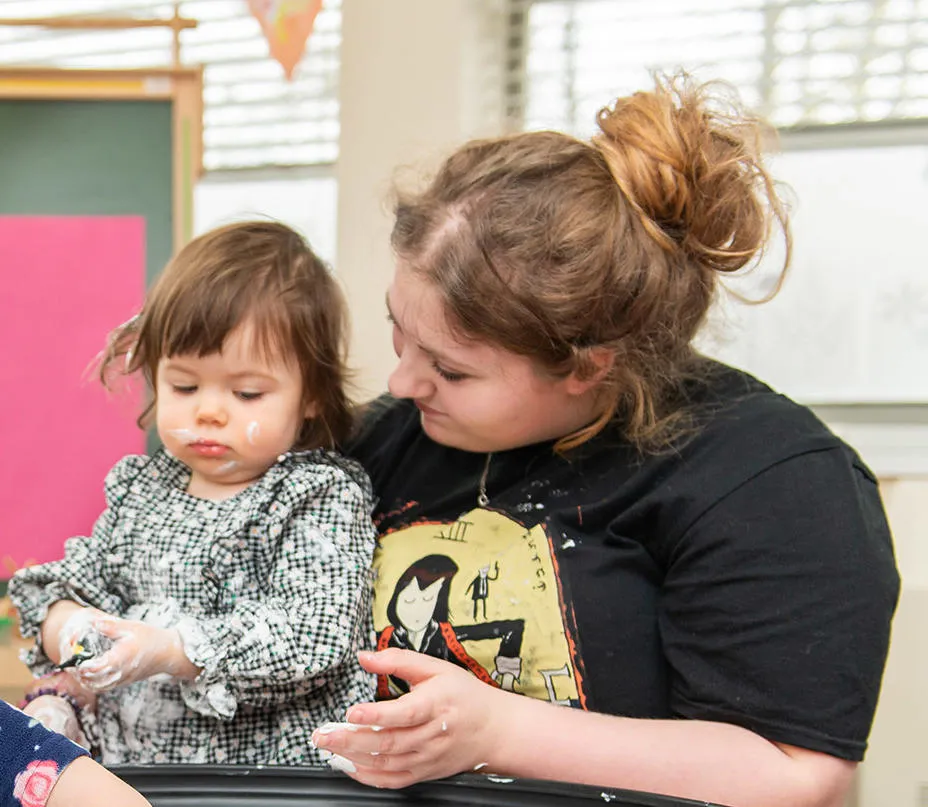
What shapes a life? The lives of others.
 Featured module
- core
- 20 credits
"It takes a village to raise a child" - but what does that mean in today’s world? This module explores how communities shape children’s lives, opportunities, and futures.
You’ll build your understanding of what makes communities work, who plays a role in supporting children and young people, and the barriers and solutions that influence whether communities can truly help individuals to flourish.
Through a placement experience, you’ll see how these ideas play out in real settings - connecting theory to practice and gaining insight into the wider systems that support children and families.
Explore the power of community - and discover how you can help create environments where children thrive.
Our facilities
Watchlist
Julie Rippingale
Course overview
2 mins
A degree that goes beyond the classroom
Course montage
1 min
Rewilding Reading
Course Highlight
9 mins
Life on campus
University life
2 mins
The Gold Standard for Teaching
University life
1 min
Featured academics
Our team of highly respected and experienced tutors are all experts in their specialisms.
Taught by a team of experts in the fields of education, social care, health, inclusion and therapeutic approaches, you’ll gain real, practical knowledge that will be invaluable in your future career.
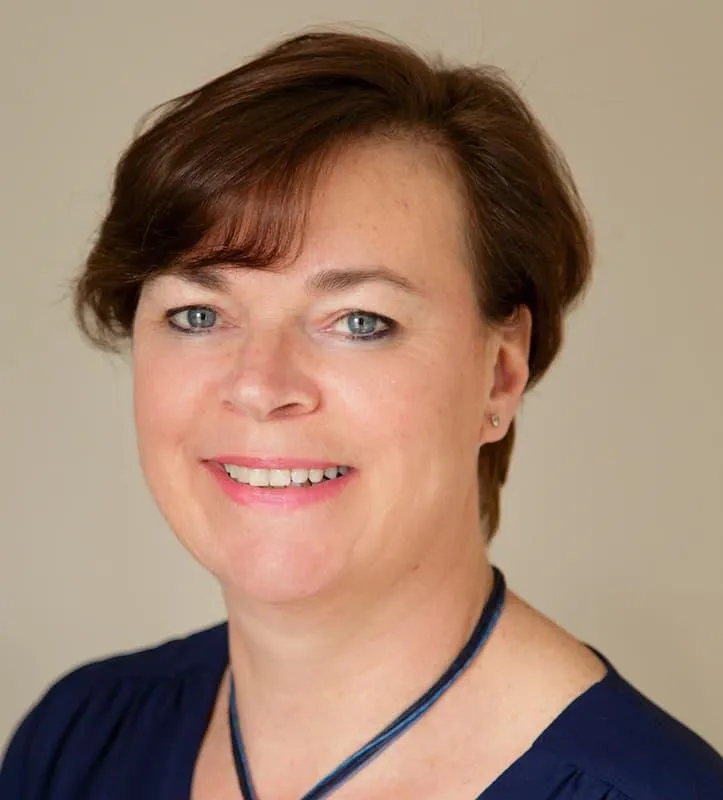
Thamara Bulmer
Lecturer
Thamara is experienced in working in early years settings and also previously worked with an Educational Social Work Service. She is a trained Level 3 Forest School practitioner and is studying for a Doctorate in Early Childhood.
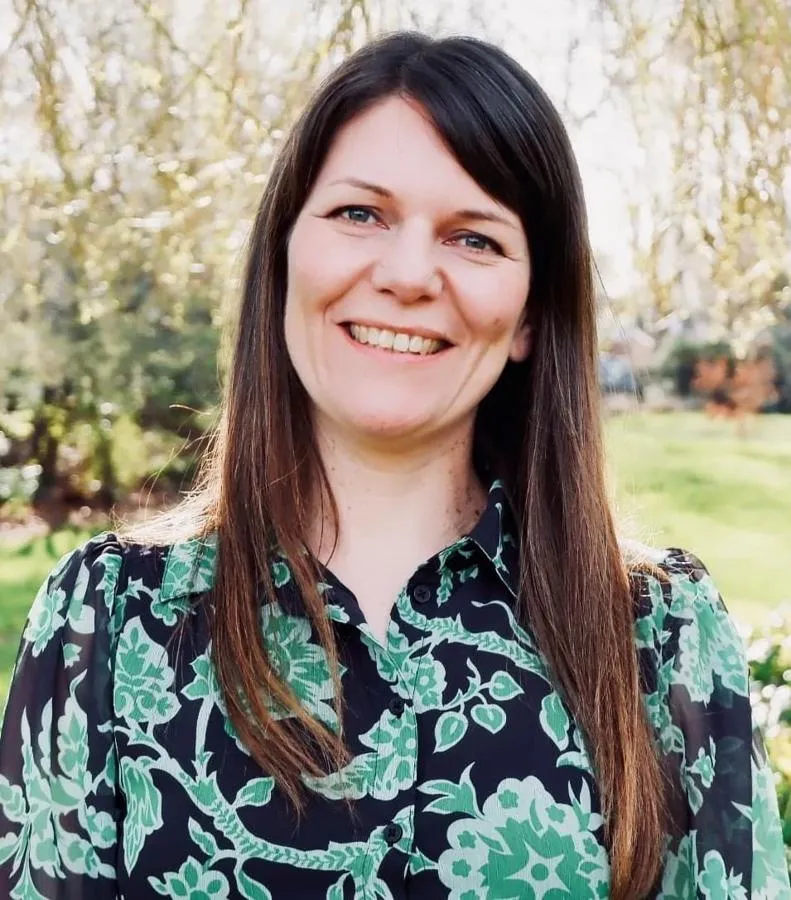
Sarah Donkin
Senior Lecturer
Sarah has more than twenty years' experience of teaching and supporting students in further and higher education and a Masters in Inclusive Education. Her teaching specialisms include safeguarding in education and inclusive education.
Entry Requirements
How to apply for this course
At Hull, you're a name, not a number. It's not just about the grades - we'll look at your whole application.
If you're not eligible for direct entry to this course, we may recommend a foundation year as an alternative route to studying for a degree.
To discuss your options, send us an enquiry or call us from 8am on Results Day on 01482 466100.
Every year, hundreds of students join the University of Hull through Clearing for all sorts of reasons and go on to achieve great things. Learn more about Clearing.
Qualification types
We accept a wide range of qualifications and combinations of qualifications, including A levels, BTECs and other accepted qualifications.
We don’t just see what you’re like on paper, we see you. All of you. Your achievements, work experience, music and sport qualifications and the projects you’ve been involved in. We want to hear it all.
Fees & Funding
How much is it?
Future prospects
Our degrees are designed to meet the high demand for well-trained professionals in children’s and young people’s services, preparing you to move straight into employment or further study.
Career opportunities are diverse, spanning education, social care, safeguarding, and community development. Graduates go on to roles such as Youth Offending Team Practitioner, Children's Centre Coordinator, Safeguarding Officer, Behaviour Outreach Caseworker, or Pastoral Support Officer.
With further postgraduate study, you could progress into careers such as Social Worker, Education Mental Health Practitioner, Play Therapist, or Speech and Language Therapist.
Become part of the next generation of futuremakers
Like what you've seen? Then it's time to apply.
The standard way is to apply through UCAS. This will give you the chance to showcase your skills qualities and passion for the subject, as well as providing us with your academic qualifications.
Not ready to apply yet?
Visit our next Open Day, and see all that the University of Hull has to offer. Talk to our lecturers about your subject, find out what university is really like from our current students, and take a tour of our beautiful campus and amazing facilities.
You may also be interested in...
BA (Hons) Education Studies
Undergraduate
Gain the skills to work with children and inspire the next generation with a BA Education Studies degree at the University of Hull. Apply now.
X300
BA (Hons) Education Studies (Youth and Community Work)
Undergraduate
Inspire the next generation and make a difference in young lives with a BA Youth and Community Work degree at the University of Hull. Apply now.
X305
BA (Hons) Early Childhood Studies (Early Years Educator, Graduate Practitioner)
Undergraduate
Get the skills you need to move into the early years workforce on this rewarding, flexible degree that has babies and young children at its heart.
X316
BA (Hons) Education Studies (Special Educational Needs, Disability and Inclusion)
Undergraduate
Gain the skills to work with special educational needs children and inspire the next generation with a degree at the University of Hull. Apply now.
X301
BA (Hons) Education Studies (Teaching English to Speakers of Other Languages)
Undergraduate
Develop the expertise to teach English and empower learners worldwide with our BA TESOL degree at the University of Hull. Apply now.
X303
A key strength of this two-year degree is that it is endorsed by the Social Pedagogy Professional Association (SPPA), giving the programme a clear professional grounding in social pedagogical values and practice. Social pedagogy brings together care, education and social support, with a strong emphasis on relationships, participation, strengths and working alongside children, young people and families in ways that recognise the whole person and their wider social context. This professional endorsement is particularly valuable for employability, as it connects students’ learning to an established approach used across services for children, young people and families and develops the relational, reflective and collaborative skills valued by employers. Combined with work-based learning, the degree enables students to apply these principles in real settings and prepares them for a wide range of roles across education, family support, youth work, community services and the wider children’s workforce.
All modules presented on this course page are subject to availability and this list may change at any time.