Develop the knowledge and skills to drive innovation that saves lives on our Biomedical Science degree.
You’ll gain a deep understanding of the human form and function in health and disease through supported, lab-based learning. And graduate ready for a variety of careers, including potentially life-saving work at the cutting edge of health research.
Our Biomedical Science degree is accredited by the Institute of Biomedical Science, so you can be confident that it meets the Health & Care Professional Council standards for biomedical scientists and is the first step of your journey to become a registered biomedical scientist.

2nd in the UK
for Student Experience
The Times Good University Guide 2027
2nd in the UK
for Graduate Prospects
The Times Good University Guide 2027
7th in the UK
for 'how often is the course intellectually stimulating'
National Student Survey (NSS), 2026, HEIs only
This course is accredited by


Institute of Biomedical Science
accredited degree

Designed with the NHS
for real-world relevance

Practising Biomedical Scientists
teach on the programme

Investigate disease
through advanced imaging in our Microscopy Suite

Boost your CV
with a placement year
About this course
Our Institute of Biomedical Science accredited programme is designed in collaboration with Hull University Teaching Hospitals NHS Trust. With major input from NHS professionals, your course is guaranteed real-world relevance and authenticity.
Biomedical science applies biological principles to medicine. You’ll explore the physiological processes and functions of the human body to appreciate disease processes, diagnosis and treatment. And learn about the underlying causes of diseases and how this knowledge can be applied to diagnose and treat them.
Experience taught laboratory practicals across first and second year to master the key cellular, molecular, biochemical and microbiology techniques required to work in biomedical science pathology labs, industry and research. In the final year, you will undertake your own independent research project, allowing you to pull together the practical and academic skills you have learnt whilst on the programme.
You’ll benefit from the expertise of academics across the University and Hull York Medical School who are at the forefront of biomedical and health research – enabling you to develop the skills and expertise you need to become a leader in your chosen field of biomedical science.
Our strong links with industry mean you’ll get plenty of placement opportunities to refine the key skills demanded by employers. You’ll benefit from our excellent relationships with a range of organisations including local biotechnology companies, research units and local hospitals, and be at the forefront of advancements in healthcare and biomedical science.
After completion of this accredited programme, you will be in an ideal position to apply to be a Trainee Biomedical Scientist and complete your HCPC portfolio required to become a registered Biomedical Scientist.
Want to change lives? Let's start with yours.
Foundation year
A foundation year at the University of Hull gives you a solid grounding of knowledge and boosts your academic skills, so you can progress on to your chosen programme with confidence.
The foundation course you enrol on may not be an exact match to your chosen degree, but don’t worry. Our foundation courses combine content from multiple related courses in the same subject area, giving you more flexibility and choice about the degree path you take.
For example, if you apply for a Music Foundation Year, you’ll join our Media Foundation course. So, if you decide to switch - say, from Music to Graphic Design - you can do so without restarting your foundation year.
Module options
Each year, you’ll study modules worth a certain number of credits, and you need 120 credits per year. Most modules are 20 credits – so you’ll study six modules each year. Some longer modules, such as a dissertation, are worth more. In these cases, you’ll study fewer modules - but the number of credits will always add up to 120. Some modules are compulsory, some are optional, so you can build a course that’s right for you.
No filters selected
Introduction to Biological Sciences 1
This module will provide you with the basic biological science knowledge that will enable you to transition successfully into the certificate stage of your chosen programme of studies. You will gain basic knowledge of cell biology, biological molecules, energy processes like respiration, neurobiology and many other topics. Alongside the theoretical knowledge, you will also have the opportunity to learn how to use a microscope and how to collect data in the laboratory, in a specialist sport science facility or using psychological techniques. You will also learn how to present and write about those data professionally. The teaching team for this module consists of lecturers in the disciplines connected to your programmes of study, so there will be a strong connection to your chosen subject area.
core
20 credits
Introduction to Chemistry
This module will provide you with the basic chemistry knowledge that will enable you to transition successfully into the certificate stage of your chosen programme of studies. You will gain basic knowledge of molecular mass calculations, properties of acids and bases, functional group chemistry, spectroscopy, and many other topics. Alongside the theoretical knowledge, you will also have the opportunity to work safely in a chemistry laboratory and collect scientific data in a professional manner. The teaching team for this module consists of lecturers in the disciplines connected to your programmes of study, so there will be a strong connection to your chosen subject area.
core
20 credits
Preparing for Learning in Higher Education
This module is designed to give you the best possible start to your university studies, making sure you have all the essential skills you need to succeed. Through lectures and workshops we will teach you how to write in an academic style, how to find quality sources, and how to reference work, culminating in writing up a mini-research project.
compulsory
20 credits
Group Challenge
In a group, you'll formulate questions that can be tested by scientific investigations and take part in weekly workshops with academics.
compulsory
20 credits
Foundation in Data Analysis
Develop a strong foundation in data collection and analysis. This module will introduce you to qualitative and quantitative data and how to analyse it; the collection of primary and secondary data; the production of high-quality graphics; and report writing.
compulsory
20 credits
Foundation Maths Skills
This module delivers core mathematics skills at level two and three to give a solid basis for future studies. You will study the following topics: manipulation of numerical data and converting between different units of measurement; exponentials and logarithms; and standard form and problems involving ratio, proportion and percentages.
optional
20 credits
Foundation Mathematics 1
This module delivers core mathematics skills to build a solid basis for future studies. You will study the following topics: factors, multiples, indices, fractions and standard form; algebra, linear and quadratic equations; averages and spread; functions, exponentials and logarithms; and right-angled triangles and trigonometry.
optional
20 credits
Foundation Mathematics A
You will study pure mathematics topics, including proof, algebra, trigonometry, differentiation, integration, exponentials, logarithms, sequences and series. The applied topic is probability and statistics.
optional
20 credits
Biochemistry
How does metabolism work? On this module, we illuminate the biochemical pathways that utilise sugars, proteins and lipids for energy generation by our cells and our bodies.
core
20 credits

How do you fight disease? By getting closer to it.
 Featured module
- core
- 20 credits
Ready to explore the science behind infection, immunity, and disease? This module takes you into the heart of clinical microbiology and immunology, where cutting-edge science meets real-world healthcare.
You’ll investigate how pathogens cause disease, how the immune system responds in both health and disorder, and how clinicians screen, diagnose, and treat a wide range of conditions. Topics include antimicrobial resistance, autoimmunity, allergies, and transplantation – key challenges shaping modern biomedical science.
Through practical laboratory work, you’ll develop core skills used in clinical and research settings, linking theory directly to diagnostic and analytical techniques.
Think like a biomedical scientist, work with real-world challenges, and build the skills to tackle the diseases of tomorrow.
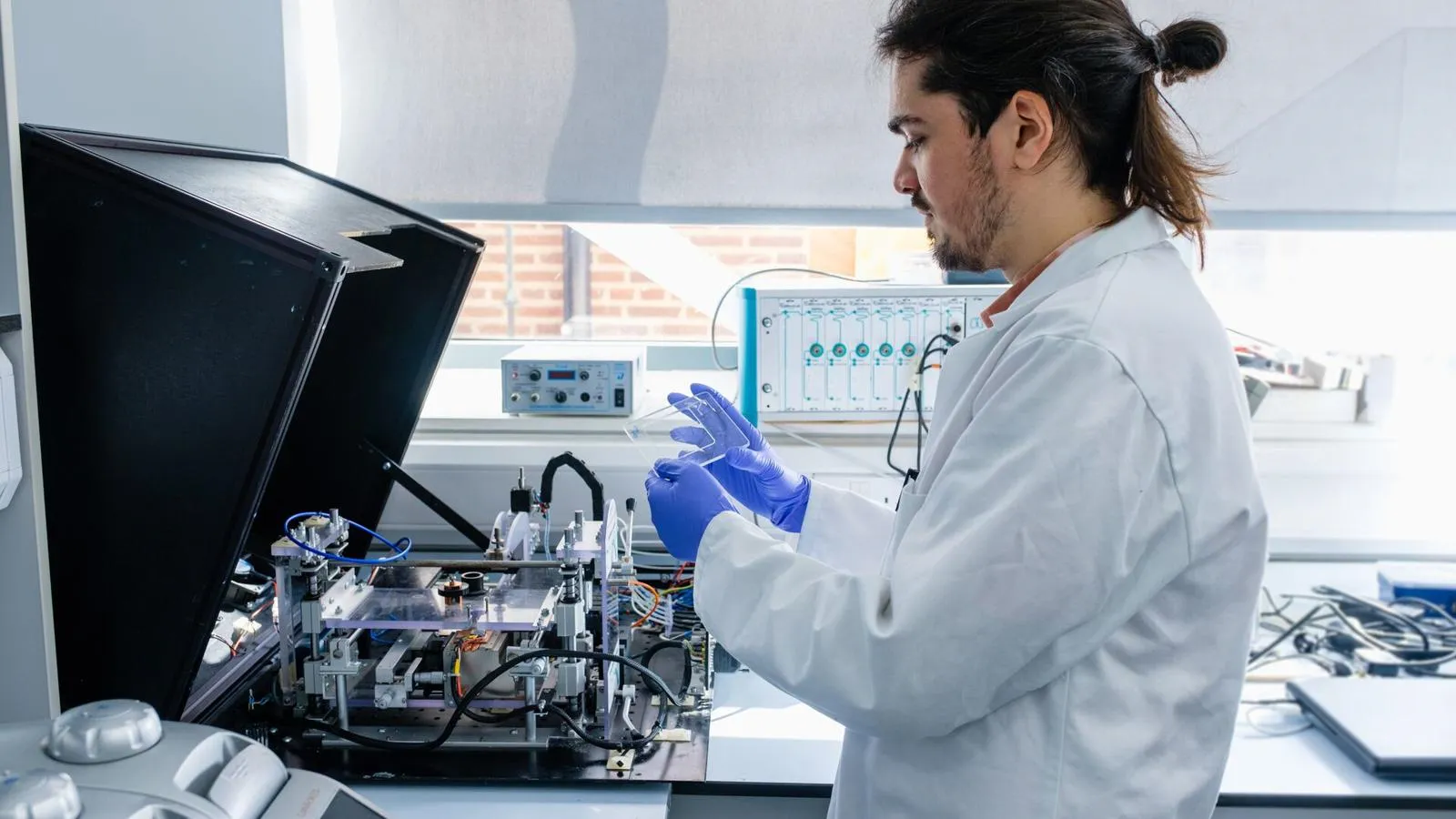
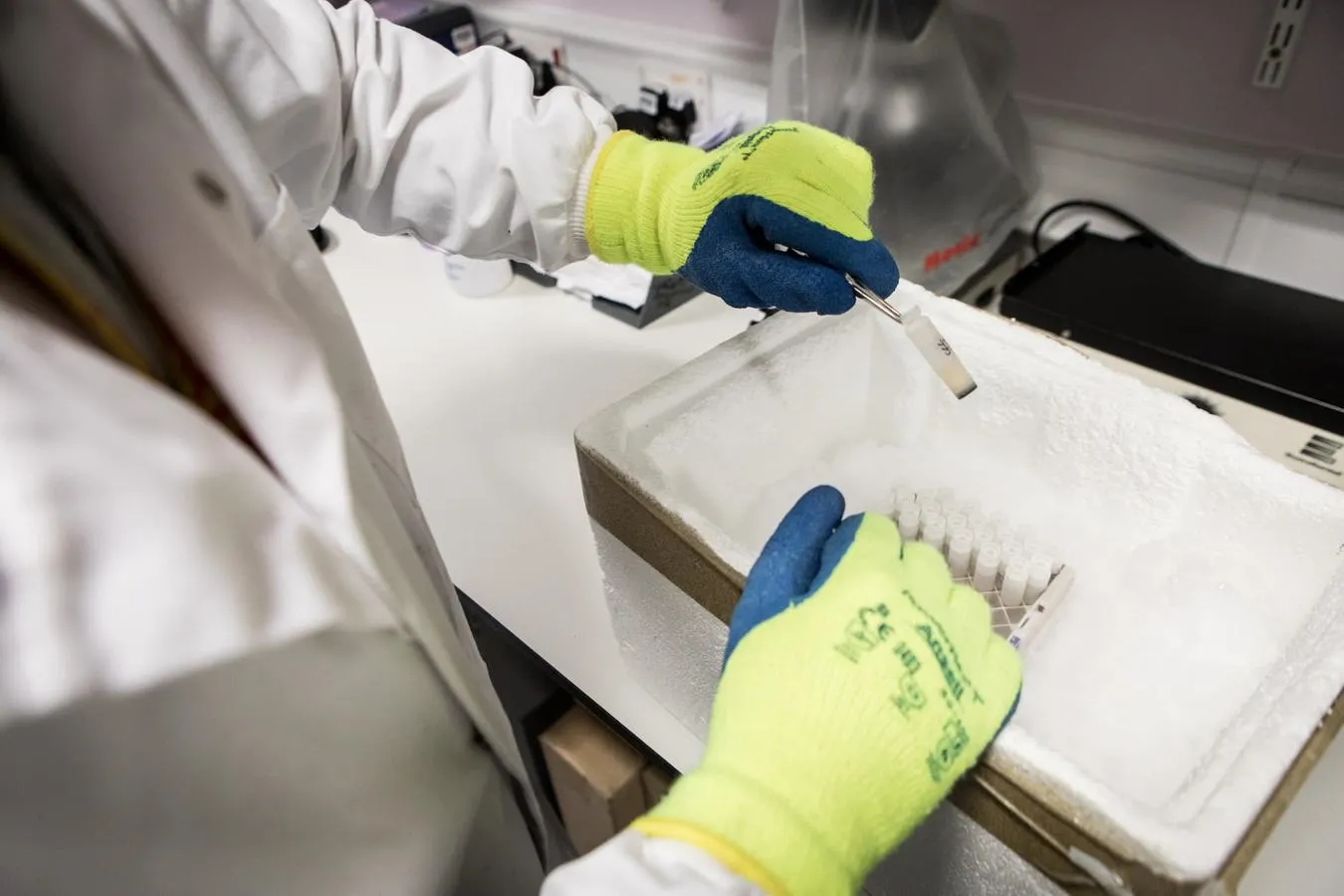
Our facilities

Watchlist
Dr Cheryl Walter
Course overview
1 min
Your course in their words - Abigail Emmerson
Student Story
2 mins
Your course in their words - Chloe Harvey
Student Story
2 mins
Teaching Facilities
University life
2 mins
The Gold Standard for Teaching
University life
1 min
Life on campus
University life
2 mins
Featured academics
Our world-leading academics specialise in areas including cancer imaging, cardiovascular, haemostasis, diabetes, metabolism, respiratory and wound healing.
Researchers in our Biomedical Institute for Multimorbidity carry out work to understand the complex interplay between disease.
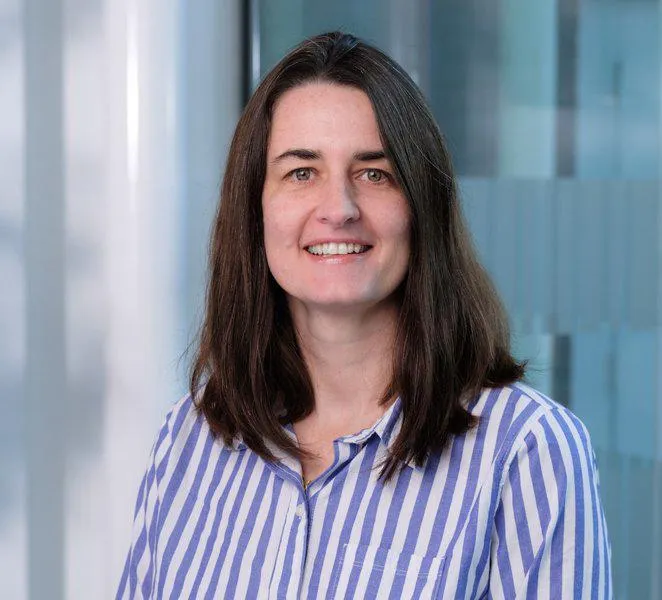
Dr Cheryl Walter
Senior lecturer in Biomedical Science
Cheryl holds a senior fellowship with Advance HE and enjoys developing educational resources and contributing to curriculum development and the scholarship of teaching and learning. Cheryl teaches across a range of programmes at varying levels.

Dr Dan Hampshire
Lecturer in Genetics
Dan’s research identifies genetic factors that contribute to our susceptibility to bleeding and thrombosis. And the role these can play in determining clinical outcomes for patients with acute coronary syndromes following treatment.
Entry Requirements
What do I need?
This course has a range of tariffs for entry. Use the interactive slider to choose a number of points and see the course entry requirements.

Slide to set your points
A levels
EEE
BTEC
PPP
Equivalent qualifications and grades are accepted.
How to apply for this course
Most importantly, you need ambition. Together with our support and opportunities, you can go further than you ever thought possible.
Our typical offer for this course is 48 UCAS points from level 3 qualifications (A levels, BTEC, or other equivalent qualifications).
If you don’t have level 3 qualifications, we welcome you to apply for an advisory meeting with our Admissions team. We’ll look at your circumstances, give you personalised guidance, and help you understand your entry options.
Remember, we look at your whole application – not just grades. Achievements, work experience, extracurricular activities: they all count here. So remember to tell us what makes you tick in your personal statement.
We also consider qualifications and experience from the UK and worldwide that may not exactly match those listed.
Have questions? Talk to our Admissions team today.
Fees & Funding
How much is it?
Tuition fees for 2028 entry have not been confirmed. Please use 2027-28 information as a guide.
For UK students, our standard course fee is £10,050 per year. Keep in mind that some courses are longer - for example, spending your third year abroad will make your degree four years in total.
If you choose to study a foundation year as part of your course, the fee is £10,050.
Thinking about a year in industry? This is £2,010 for UK students.
Standard Tuition Fee
£10,050 / year
Foundation Year Fee
£10,050
The amount you pay may increase each year, in line with inflation - but capped to the Retail Price Index.
How do I pay for it?
You can take out a tuition fee loan to cover the full cost of your course. Once you’ve successfully applied for this, you don’t need to do anything else – the money is sent straight to us.
You can also take out a maintenance loan of up to £10,544 a year to cover your living costs, depending on your household income.
Remember, you won’t start paying your loans back until you’ve left university and earn more than £25,000 per year.
See our full fees and funding information for more details and to find out what support we can offer.
Future prospects
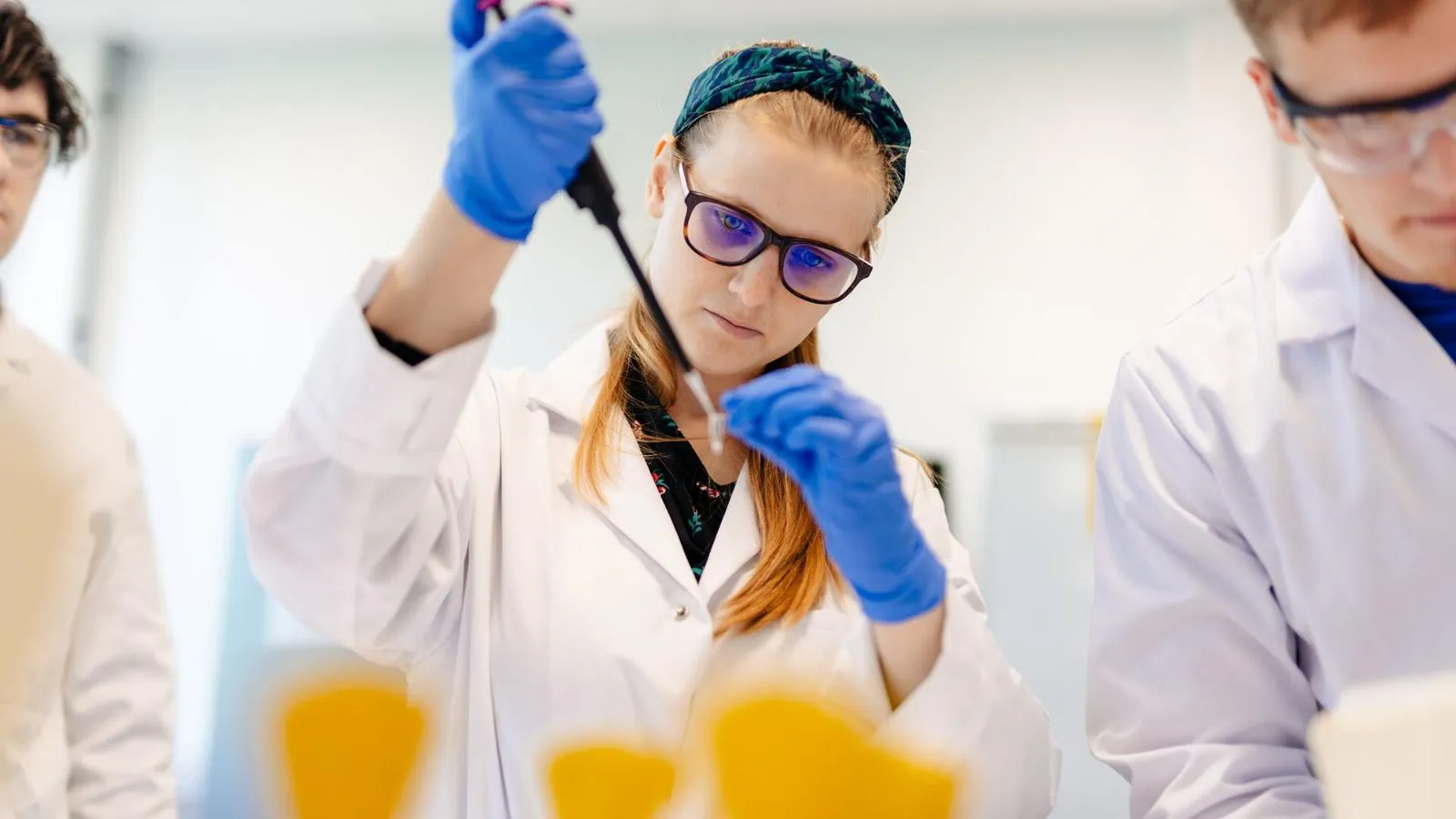
A Biomedical Science degree from Hull opens doors to a career in laboratory science and beyond. You could go on to work at the cutting edge of research helping to diagnose and treat diseases.
You’ll be eligible to work in academic research, the health service, medical institutions and education.
Our graduates have gone on to roles including, biomedical scientist, biotechnologist, toxicologist, healthcare scientist, and medical research scientist – with a diverse range of employers including careers with employers such as ConocoPhillips, Reckitt, Smith & Nephew, the Civil Service, pharmacies, independent diagnostic and quality control testing laboratories and the NHS.
Become part of the next generation of futuremakers
Like what you’ve seen? Then it’s time to apply.
The standard way to apply is through UCAS. This will give you the chance to showcase your skills, qualities and passion for the subject, as well as providing us with your academic qualifications.
Not ready to apply yet?
Visit our next Open Day, and see all that the University of Hull has to offer. Talk to our lecturers about your subject, find out what university is really like from our current students, and take a tour of our beautiful campus and amazing facilities.
You may also be interested in...
BSc (Hons) Biochemistry
Undergraduate
Explore the fascinating interface between biology and chemistry that leads to the complexity of life.
C700
BSc (Hons) Forensic Science
Undergraduate
In this course you will gain the skills to become a competent and confident forensic scientist, as well as transferable skills for a wide range of jobs.
F410
BA (Hons) Criminology with Forensic Science
Undergraduate
Explore the laboratory and field techniques of the forensic scientist alongside the causes and solutions to crime on this fascinating degree.
M9F4
BSc (Hons) Biology
Undergraduate
Develop professional skills in industry-standard labs and enjoy field trips abroad on a BSc Biology degree at the University of Hull. Apply now.
C100
All modules on this course page are subject to availability and this list may change at any time.