
Biology at Hull is all about tackling global challenges, from genetic engineering through to climate change.
You’ll gain real world practical skills in the lab and in the field, and learn to communicate important topics in biology to diverse audiences. Plus, you'll study in a supportive and friendly department which includes winners of the Royal Society of Biology’s Higher Education Bioscience Teacher of the Year Award.
You can also opt to take a year abroad, studying overseas at one of our partner universities. Gain new skills, build international contacts, and immerse yourself in a different culture and environment.

1st in the UK
for 'How easy is it to access subject specific resources (e.g., equipment, facilities, software) when you need them'
National Student Survey (NSS), 2026, HEIs only

£200K invested
in new teaching equipment

Dive in
and train to become a PADI-certified diver1

Field trips
in the UK and overseas2

Learn hands on
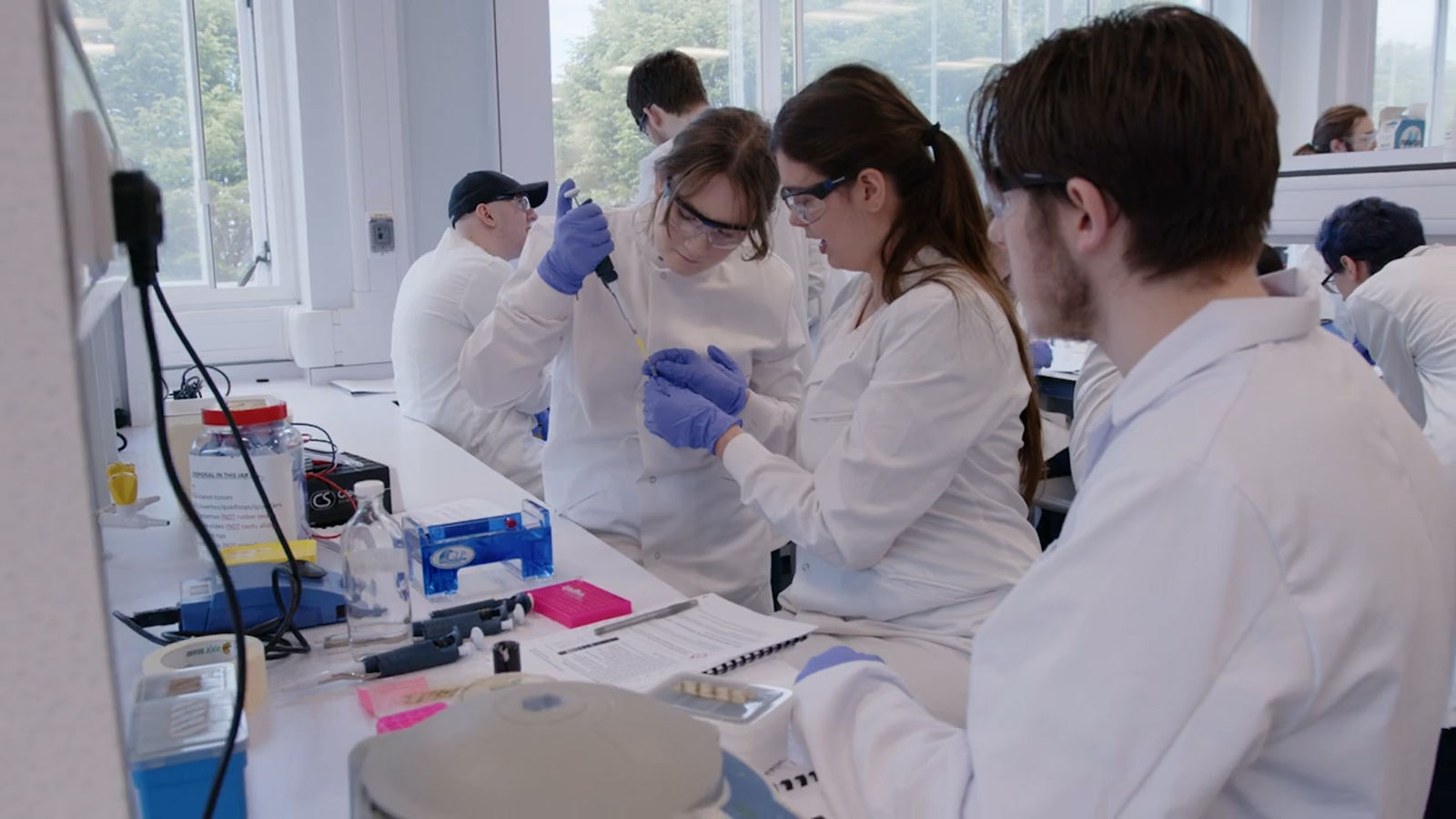
in industry-standard facilities

Award-winning
academics teach on this course3
About this course
This degree reflects the breadth of modern biological sciences, with core topics including genetics and genomics, microbiology, evolution, cell biology and biological diversity.
We’ll help you build your degree around your interests, like molecular genomics, toxicology, applied ecology or other specialist topics. Fascinated by human biology? You can also take modules from biomedical sciences. Or if you’re interested in all areas of biology you can take a broad range of options – the choice is yours.
You'll get plenty of hands-on training in the lab and field and you'll work on mini-projects throughout your course.
You can also take one of our residential field course options, including overseas trips to Brazil or Mallorca, where you’ll learn essential skills for ecological careers, or opt to spend a year studying abroad at one of our partner universities. Gain new skills, build international contacts, and immerse yourself in a different culture and environment.
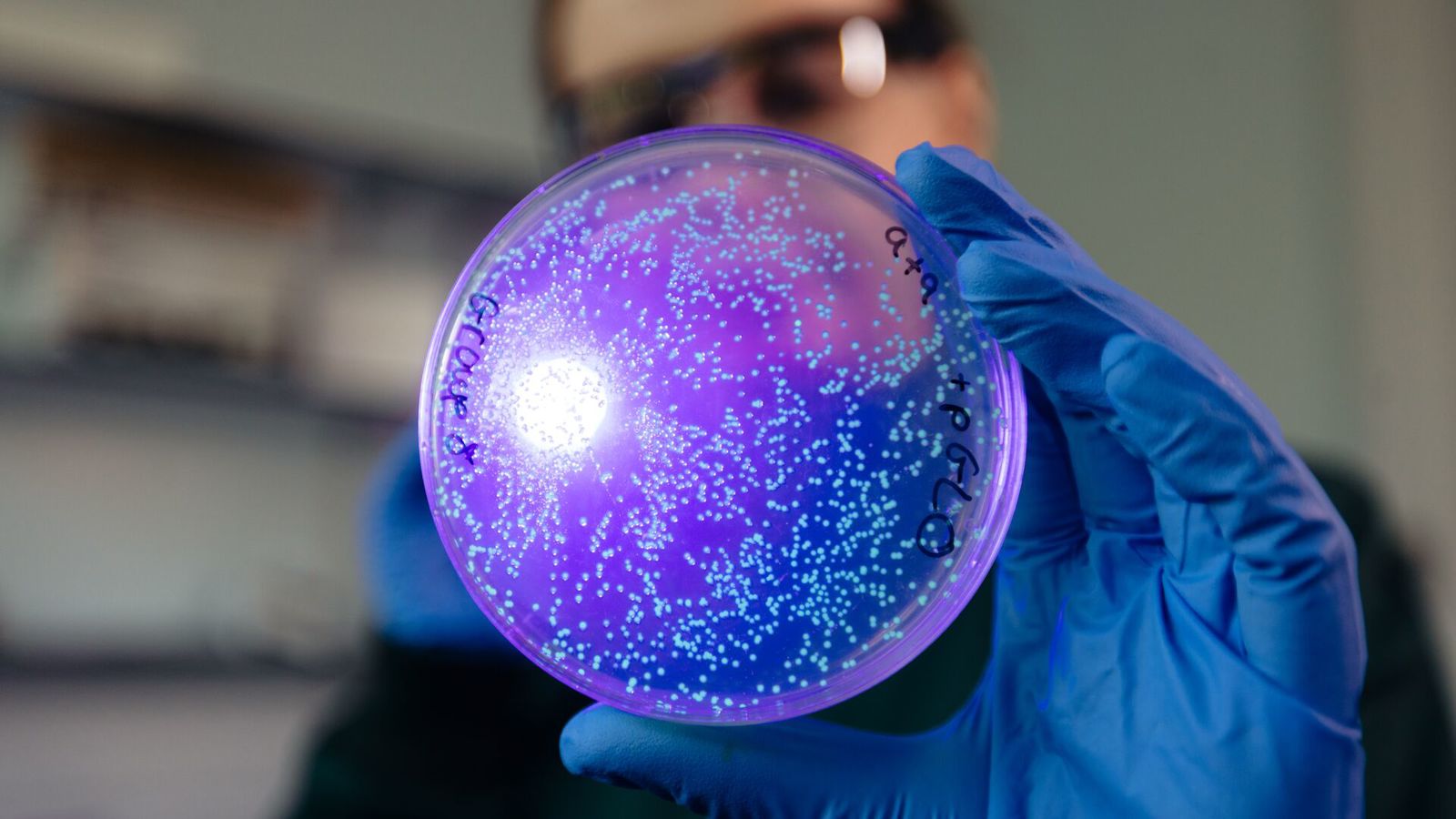
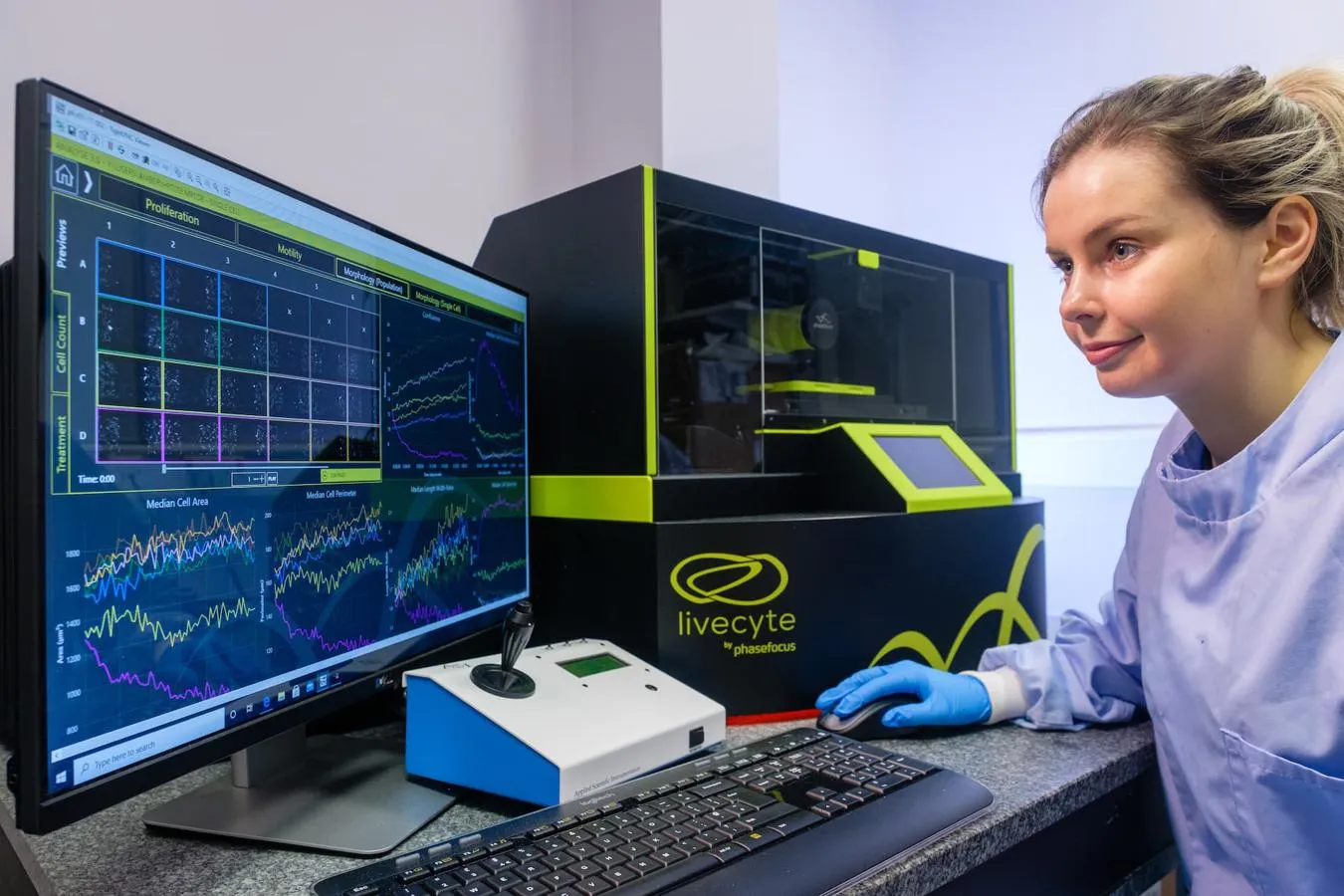
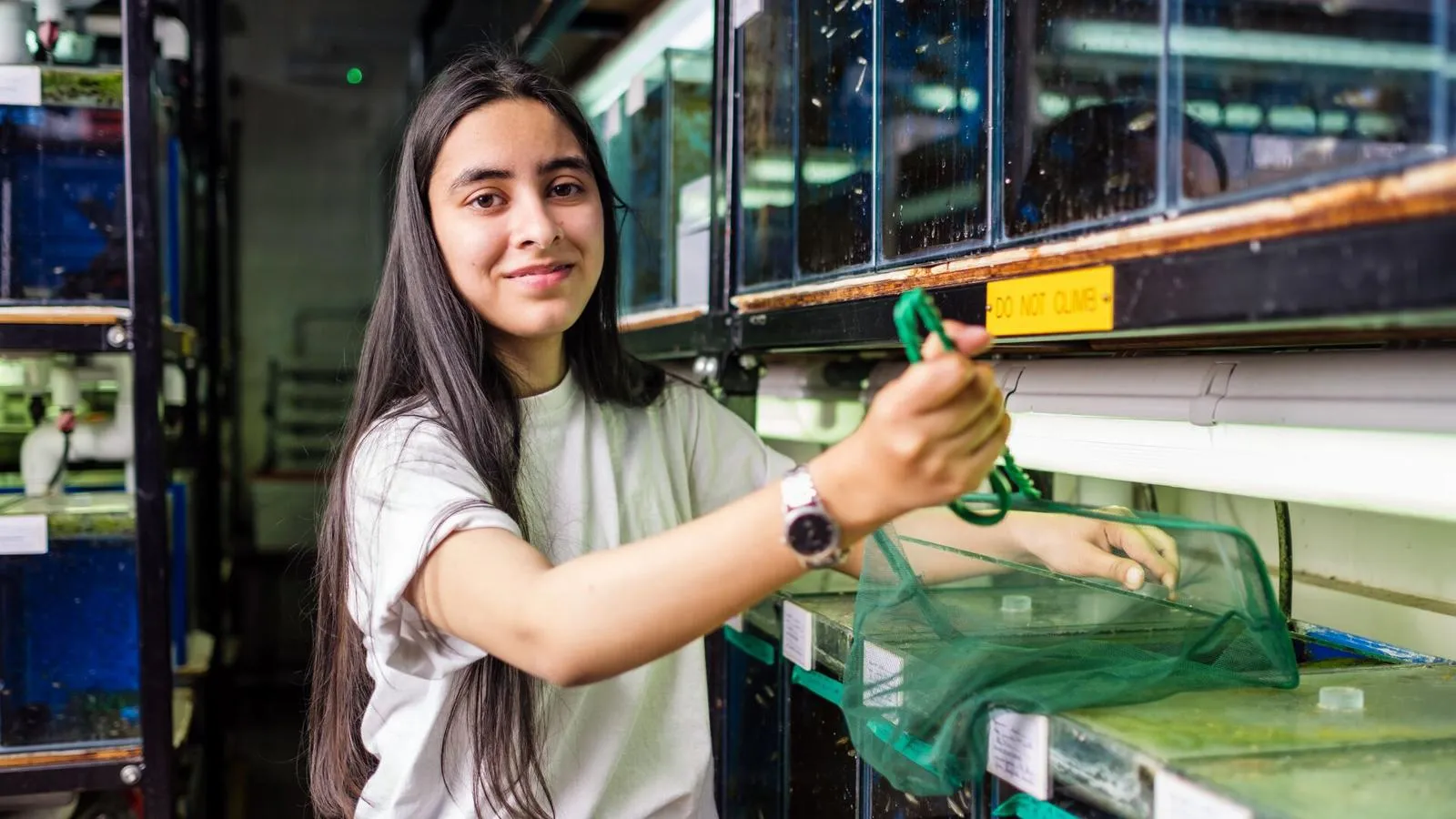
Other facilities include super-computing power for genomic analysis, our 33,000 litre tropical aquarium, and a dedicated team of teaching technicians to support your skill development.
It's in our DNA to make a difference.
Year abroad
Study Abroad programmes take place over a full academic year. This extends a standard undergraduate degree from three to four years, with study abroad taking place in year three. Once you've completed your study abroad year, you'll return to complete the final year of your degree at the University of Hull.
There are many reasons to undertake a study abroad year. For one, you’ll make unforgettable memories with a whole range of countries to choose from. But more than that, you’ll boost your confidence and your contacts. And you’ll gain skills that will make employers take notice of you: curiosity, sociability, adaptability, and intercultural awareness.
Module options
Each year, you’ll study modules worth a certain number of credits, and you need 120 credits per year. Most modules are 20 credits – so you’ll study six modules each year. Some longer modules, such as a dissertation, are worth more. In these cases, you’ll study fewer modules - but the number of credits will always add up to 120. Some modules are compulsory, some are optional, so you can build a course that’s right for you.
No filters selected
Microbiology
How does microbiology govern our world? In this module you will learn the basic principles of microbiology, before exploring the interplay between microbes, ourselves, and the wider environment.
compulsory
20 credits
Cells and Organelles
Explore the fascinating inner workings of cells, giving you a foundation in areas such as cell biology, molecular biology and biochemistry.
compulsory
20 credits
Diversity of Life
Through practical workshops, this module introduces you to the diversity of life and the fascinating adaptations that enable organisms to inhabit nearly all conceivable ecological niches.
compulsory
20 credits
Molecular Biology and Genetics
DNA holds the secrets to life itself. Find out how key information is stored within the genes and the processes by which cells decode and interpret this genetic information to bring about essential cellular functions. You will discover how genetic information is inherited and what happens when things go wrong. Explore how molecular biology and genetic manipulation techniques allow us to uncover why genetic changes can lead to human disease and can potentially offer opportunities to diagnose and even treat them.
compulsory
20 credits
Evolution
Why did sex evolve? Why do we die? What is a species? How can evolutionary medicine help us? This module will provide you with an understanding of how life on earth came to be what it is, from genes to species. Without evolution, nothing in biology makes sense.
compulsory
20 credits
Human Physiology
Human Physiology will introduce you to the major physiological systems underpinning healthy human function. A range of topics on the workings of the human body are explored, providing an excellent overview of subjects covered in more detail later in the programme. You will experience a unique opportunity to do hands on physiological testing including the measurement of blood pressure, performing an electrocardiogram (ECG), and stimulating real peripheral nerves.
optional
20 credits
Ecology
Our planet is experiencing a nature and climate emergency, with biodiversity being lost at an unprecedented rate. This has consequences for all of us, but ecologists are at the heart of the solution, with the knowledge and understanding to help to prevent further biodiversity loss.
Ecology is the scientific study of the distribution and abundance of organisms, and the interactions that determine distribution and abundance. This module will introduce you to this important, dynamic subject, providing you with the foundations for understanding the critical ecological concepts and their applications and giving you experience in handling and interpreting ecological data.
optional
20 credits
Genetic Analysis
How do scientists uncover the secrets hidden within our genes? This module explores the powerful tools and ideas behind modern molecular genetics and genomics.
Using a problem-based approach, you’ll investigate current debates in genetics while learning how researchers analyse genetic data and study gene function in the laboratory. The module focuses on eukaryotic systems and builds on the genetic foundations introduced earlier in the programme.
A week-long immersive laboratory project gives you hands-on experience of modern molecular techniques – such as using RNA interference to alter gene expression – mirroring the way real research is conducted.
Step into the molecular laboratory and discover how genetic science is used to understand, and change, the living world.
compulsory
20 credits
Vertebrate Zoology
This module provides an integrated view of vertebrate biology by showing how changes over time and geography drive morphology, physiology, behaviour, and ecology in different vertebrates. Structure-function relationships are presented to appreciate how different animals evolve similar solutions and adaptations to the same ecological challenge while closely-related animals diversify in response to different environmental challenges.
compulsory
20 credits
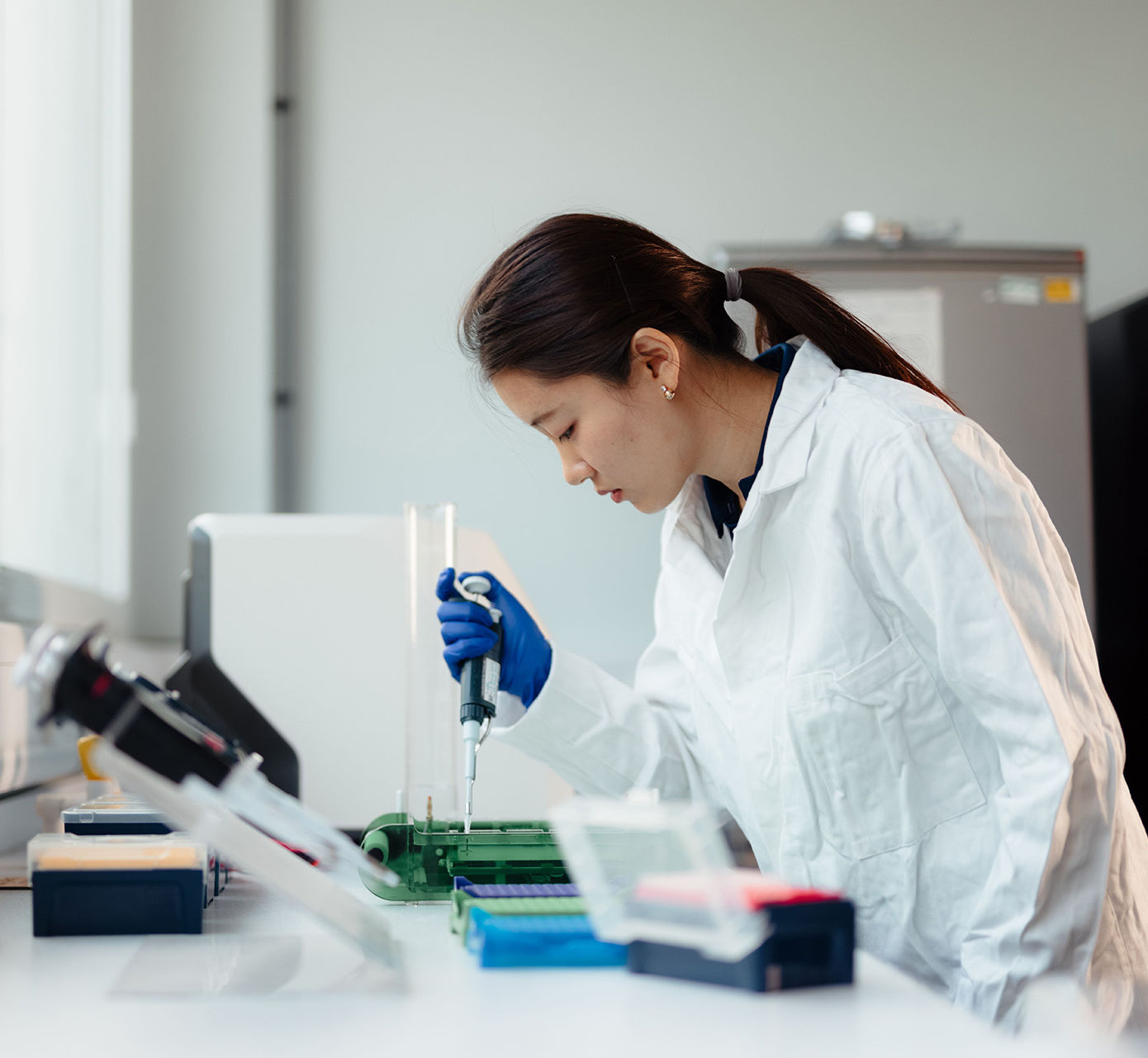
What’s the secret to life? Genes.
 Featured module
- compulsory
- 20 credits
How do scientists uncover the secrets hidden within our genes? This module explores the powerful tools and ideas behind modern molecular genetics and genomics.
Using a problem-based approach, you’ll investigate current debates in genetics while learning how researchers analyse genetic data and study gene function in the laboratory. The module focuses on eukaryotic systems and builds on the genetic foundations introduced earlier in the programme.
A week-long immersive laboratory project gives you hands-on experience of modern molecular techniques – such as using RNA interference to alter gene expression – mirroring the way real research is conducted.
Step into the molecular laboratory and discover how genetic science is used to understand, and change, the living world.
Our facilities
Watchlist
Dr David Lunt
Course overview
3 mins
Extracting DNA
Course Highlight
2 mins
Teaching Facilities
University life
2 mins
Accommodation at Hull
University life
2 mins
Featured academics
We're tackling cancer and cardiovascular disease with the cutting-edge biomarker and medical imaging technologies we developed here at Hull, in collaboration with colleagues around the world.
We're committed to sharing our knowledge with and inspiring our students.
Dr Africa Gomez
Senior Lecturer
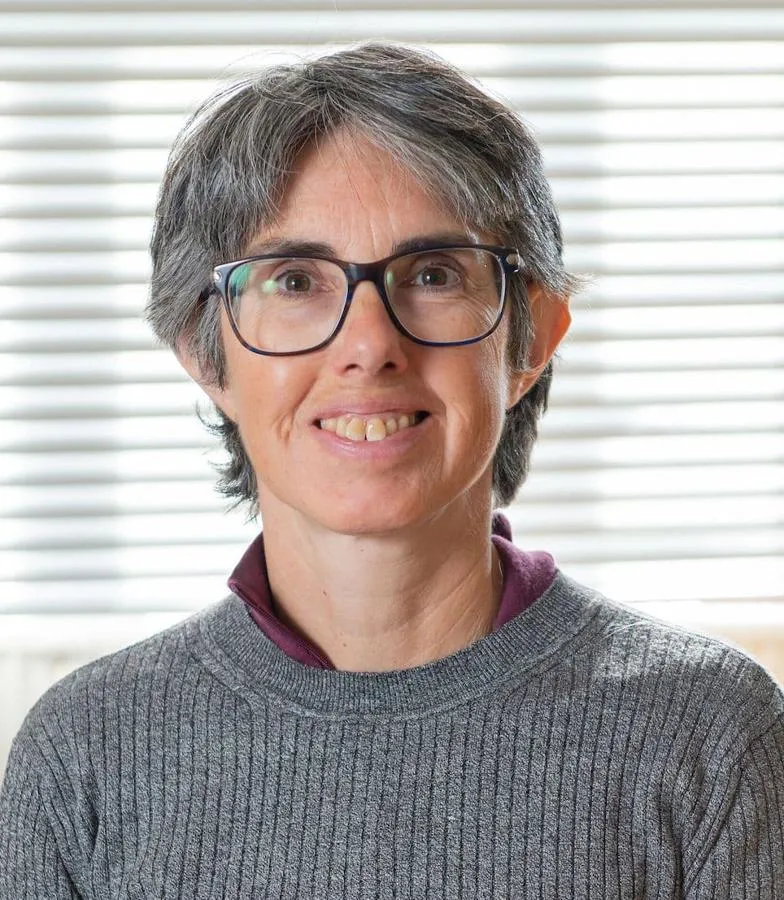
Africa is an evolutionary biologist whose research centres on the impact of sexual systems on population structure, phylogeography and genomics. She has published more than 50 peer-reviewed papers and obtained her PhD at the University of Valencia.
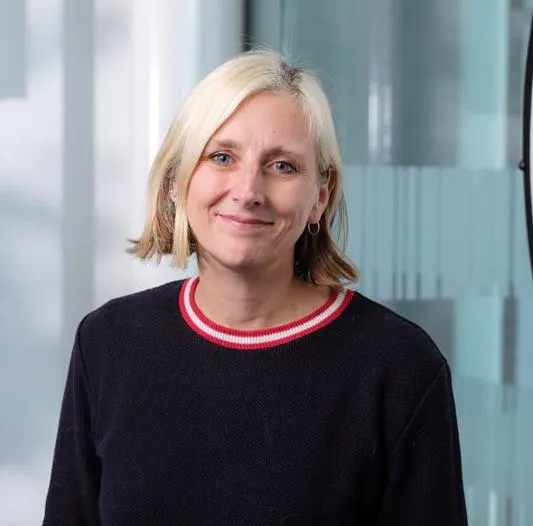
Dr Domino Joyce
Senior Lecturer
Domino became interested in conservation genetics during her undergraduate degree, working on UK butterflies with Natural England for her PhD. A switch in allegiance from insects to fishes then led to a Leverhulme Fellowship and a teaching career.
Entry Requirements
How to apply for this course
At Hull, you're a name, not a number. It's not just about the grades - we'll look at your whole application.
If you're not eligible for direct entry to this course, we may recommend a foundation year as an alternative route to studying for a degree.
To discuss your options, send us an enquiry or call us from 8am on Results Day on 01482 466100.
Every year, hundreds of students join the University of Hull through Clearing for all sorts of reasons and go on to achieve great things. Learn more about Clearing.
Qualification types
We accept a wide range of qualifications and combinations of qualifications, including A levels, BTECs and other accepted qualifications.
We don’t just see what you’re like on paper, we see you. All of you. Your achievements, work experience, music and sport qualifications and the projects you’ve been involved in. We want to hear it all.
Fees & Funding
How much is it?
Year Abroad Fee
Future prospects
The field, analytic and lab skills you’ll learn here are much in demand, and you’ll get the chance to engage with potential employers in a range of local organisations and businesses.
Our graduates have gained jobs in bioscience industries, teaching, veterinary medicine, ecological consultancy and scientists in government and non-government organisations. Our students also go on to further study through either Masters or PhD level qualifications, becoming scientific leaders of the future.
Become part of the next generation of futuremakers
Like what you’ve seen? Then it’s time to apply.
The standard way to apply is through UCAS. This will give you the chance to showcase your skills, qualities and passion for the subject, as well as providing us with your academic qualifications.
Not ready to apply yet?
Visit our next Open Day, and see all that the University of Hull has to offer. Talk to our lecturers about your subject, find out what university is really like from our current students, and take a tour of our beautiful campus and amazing facilities.
You may also be interested in...
BSc (Hons) Biochemistry
Undergraduate
Explore the fascinating interface between biology and chemistry that leads to the complexity of life.
C700
BSc (Hons) Marine Biology
Undergraduate
The North Sea + The Deep + scuba dive training + field trips to locations like Brazil and Egypt + world-leading researchers = the perfect place to study.
C160
BSc (Hons) Environmental Science
Undergraduate
Study global issues with environmental experts on our IES-accredited BSc Environmental Science degree at the University of Hull.
F751
BSc (Hons) Zoology
Undergraduate
Explore all aspects of animal life, from a subcellular level to entire ecosystems. Then focus on a specialist area that could become your career.
C300
Choose subsidised dive training as part of our Ecology module and become a PADI-certified Advanced Open Water Diver. Extra fee may be payable.
Most overseas field trips run in the summer between the second and third year. There is an extra charge but the trips are subsidised. Destinations are subject to change.
Our department includes winners of the Royal Society of Biology's Education Bioscience Teacher of the Year Award.
All modules on this course page are subject to availability and this list may change at any time.