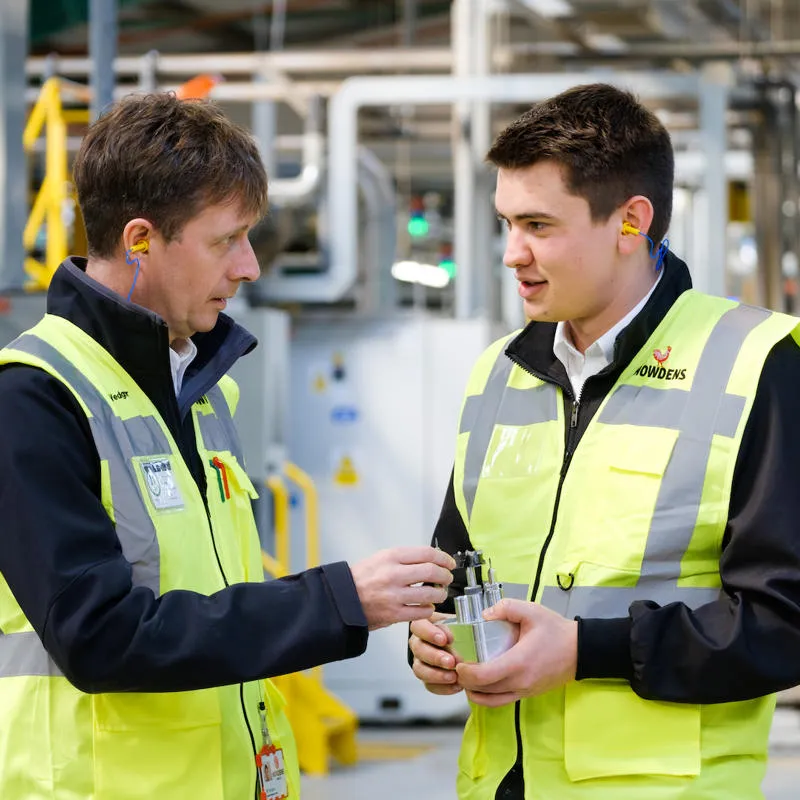



Build the world of tomorrow with our Civil Engineering Masters at the University of Hull.
Based in the UK’s dynamic “Energy Estuary,” you’ll study at the centre of one of the nation’s fastest-growing engineering and construction regions - home to leading organisations in infrastructure, energy, and environmental innovation.
You’ll develop the advanced technical knowledge and practical expertise needed to design, build, and maintain the resilient, sustainable infrastructure of the future - from bridges and transport networks to coastal defences and smart cities.

Industry connections
learn in the UK's Energy Estuary and benefit from industry connections

Industry standard facilities
like our Turing and Superlab

Access to
our Swift Additive Manufacturing Space, with the latest 3D printers, laser scanners and cutters

Live project
based learning and site visits

Innovation
and sustainability are a key focus
About this course
Develop advanced expertise at the heart of the UK’s rapidly growing ‘Energy Estuary’ with Hull’s MSc Civil Engineering programme. Designed for future leaders in infrastructure and construction, this course focuses on sustainability, innovation, and resilience - preparing you to address global challenges such as climate change, urbanisation, and resource management.
You’ll build on core civil engineering principles through advanced study in structural analysis, materials testing, geotechnics, and CAD and 3D modelling, using industry-standard tools like AutoCAD Civil and Autodesk Civil 3D. With access to modern facilities including the Material Lab, Geotechnics Lab, and Digital Design Studios, you’ll gain hands-on experience that mirrors professional practice.
Situated in one of the UK’s most dynamic engineering regions, Hull offers exceptional links to industry partners such as Spencer Group, ARUP, Mott MacDonald, Sewell Group, Orsted, and Siemens. Site visits, real-world projects, and industry collaborations ensure your learning stays connected to cutting-edge practice.
You’ll graduate equipped with the specialist knowledge, professional insight, and practical experience to progress from graduate engineer to chartered status, ready to shape a more sustainable and resilient built environment.
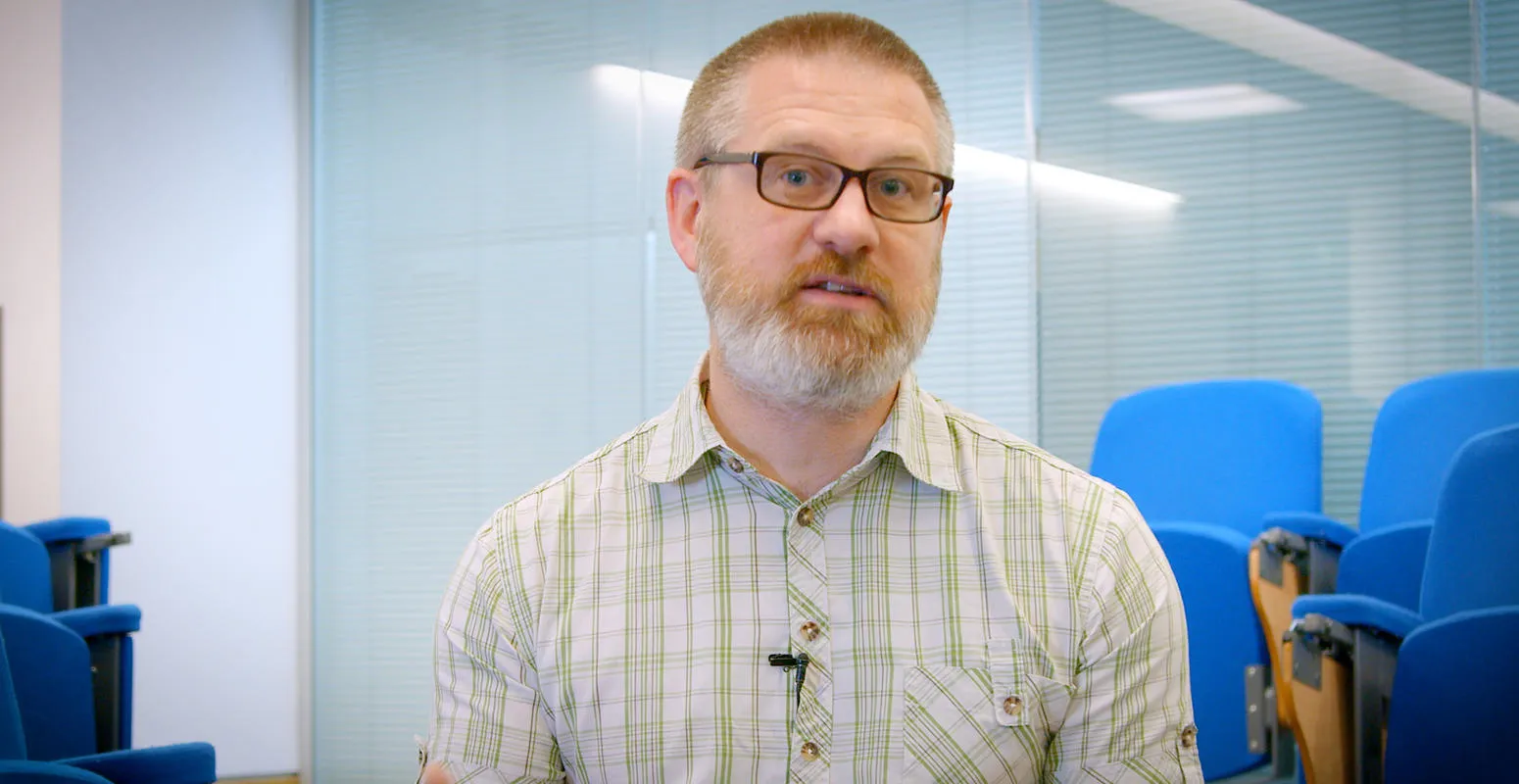
Dr Mark Walker
3 mins
Module options
For a full Masters degree, you'll study 180 credits over the duration of your course. Some programmes offer a Postgraduate Diploma (PGDip) qualification or a Postgraduate Certificate (PGCert) qualification. For a PGDip, you'll study 120 credits, and for a PGCert, you'll study 60 credits.
No filters selected
Geotechnical Engineering
Expanding on foundational geotechnical principles, this module delves into advanced practices in geotechnical engineering, including soil behaviour, foundation design, and slope stability. It integrates modern surveying technologies such as photogrammetry, LiDAR, GPS, and drone-based mapping, with a focus on geospatial data visualisation and GIS applications. Legal and ethical dimensions of surveying are also explored, alongside sustainability themes aligned with UN SDGs, particularly in soil reuse and environmentally responsible design.
compulsory
20 credits
Advanced Materials for Future Construction
Focusing on innovation in construction, this module explores advanced materials that support sustainable, high-performance civil engineering. Students examine mechanical behaviour, durability, and environmental impact of both traditional and emerging materials, including composites, smart materials, and low-carbon alternatives. Material selection strategies are evaluated in the context of resilient and future-ready infrastructure.
compulsory
20 credits
Resilient Structures and Infrastructure
This module builds on previously developed principles to explore resilient and smart infrastructure design for future urban and transport systems. Students examine resilience concepts, circular economy, and green infrastructure, alongside strategies for managing critical sectors like waste, water, and transport. Socio-technical developments such as digitalisation, decarbonisation, and decentralisation are also addressed within the context of sustainable urban transformation.
compulsory
20 credits
Project Management and Research Skills
This module introduces you to a structured approach to planning/bidding, managing and controlling a project. You'll explore current practices, topics and methodologies relevant to contract and project management. You'll develop research skills for designing, planning and conducting an academic or industry-based engineering project.
compulsory
20 credits
MSc Project
This module gives you the opportunity to carry out an individual design or research and development project. It is an opportunity to gain a wider perspective of society and sustainability, while exploring project management techniques and presentation of progress, milestones and results through a variety of media.
compulsory
60 credits
Sustainable Engineering of Urban Systems
Designed to address sustainability in urban environments, this module introduces systems-level engineering approaches to tackle climate change, resource depletion, and rapid urbanisation. Students learn to assess environmental impacts using carbon footprint and life cycle assessment methodologies, supported by industry tools and standards. The module also explores sustainable technologies across sectors such as energy, transport, water, and waste.
optional
20 credits
Advanced Construction, Law and Project Management
Focusing on the broader commercial, legal, and organisational aspects of construction, this module explores global industry challenges, innovative business models, and collaborative project delivery. It develops advanced knowledge of BIM, NEC4 contracts, and ethical practice, while introducing key areas of construction law including contract, dispute resolution, and CDM 2015 regulations. Emphasis is placed on professional integration and sustainable governance within the built environment.
optional
20 credits
Advanced Hydraulics and Wastewater Engineering
Covering key aspects of fluid mechanics and water systems, this module examines fluid behaviour in civil engineering, including hydrostatics, flow kinematics, control volume analysis, and real versus ideal fluid applications. It also introduces the design of water supply, sewage, and stormwater systems, along wastewater treatment technologies and their environmental impacts. Legal frameworks and sustainability considerations in water engineering are also explored.
optional
20 credits
Environmental Fluid Mechanics and Dynamics
This module deepens understanding of fluid using Computational Fluid Dynamics (CFD), applied to natural environments like rivers, oceans, and the atmosphere. Students explore turbulence, wave theory, and pollutant transport, using mathematical and computational tools to model phenomena such as fluid-structure interaction or pollution dispersion. Through case studies and a final applied project, the module connects theory with real-world challenges in civil engineering.
optional
20 credits
Our academics
You’ll be taught by experienced civil engineers whose industry expertise and research directly shape the course. Our academics specialise in areas such as structural analysis, geotechnics, hydraulics, and sustainable design, bringing real-world insight into every module. With strong connections to major engineering and construction firms across the UK, you’ll learn from professionals who understand the challenges and innovations driving today’s civil engineering industry.

Dr Mark Walker
Lecturer in Sustainable Engineering Systems
Mark’s research supports the development of low-carbon energy, industrial and agricultural systems, especially those related to the circular economies in areas such as bioprocessing, bio-based production systems, and environmental biotechnology.
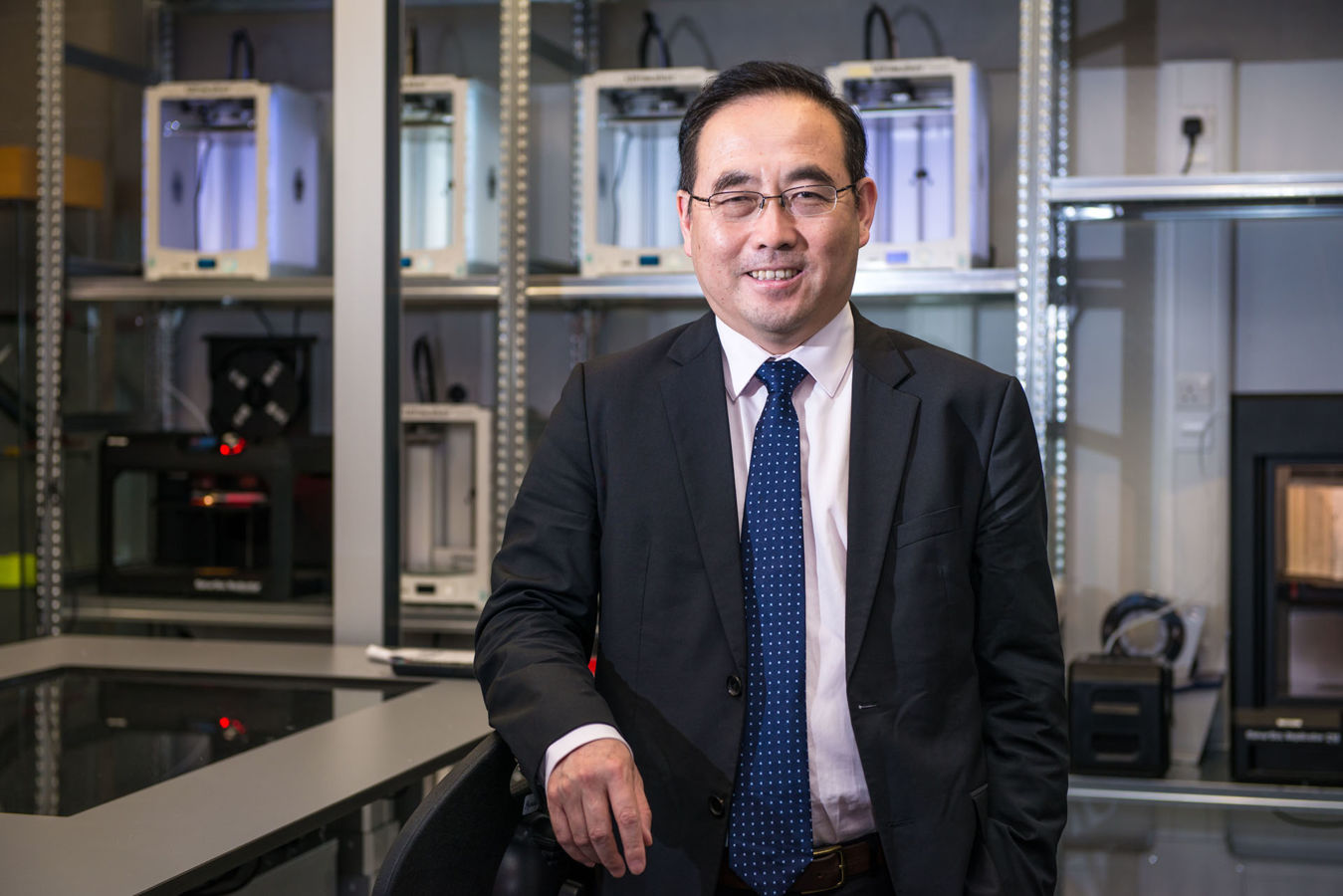
Professor Xudong Zhao
Professor of Engineering / Director of Research
Xudong is a globally recognised energy researcher with a focus on sustainable building services, renewable energy and energy efficiency technologies. He’s published hundreds of research papers and completed over 40 engineering consultancy projects.
Entry Requirements
What do I need?
When it comes to applying for this Postgraduate Taught degree, you'll need an Undergraduate degree (or equivalent). For this course, you'll need a 2:2 from a relevant bachelor's degree.
The programme is designed for graduates who have studied a subject that is relevant to this course.
If you’re an undergraduate student at Hull, you’re guaranteed a fast-track route to this postgraduate degree, as long as you meet the entry requirements.
In order to ensure our students have a rich learning and student experience, most of our programmes have a mix of domestic and international students. We reserve the right to close applications early to either group if application volumes suggest that this blend cannot be achieved.
Typical offer
2:2 in a relevant subject area
Applicants should have an Honours degree (typically 2.2 or above, or international equivalent) in an engineering or related discipline.
Fees & Funding
How much is it?
Tuition fees for 2028 entry have not been confirmed. Please use 2027-28 information as a guide.
The cost of a Masters course typically reflects a combination of factors such as the level of expertise offered, access to specialist facilities, industry engagement, and academic support. It also considers the course’s duration, intensity, and resources provided—from expert-led seminars to hands-on learning opportunities.
How do I pay for it?
UK students can take out a Masters Loan to help with tuition fees and living costs. For 2025 entry, they provide up to £12,858 for full-time and part-time taught and research Masters courses in all the subject areas. Find out more about Postgraduate Loans.
Scholarships
We offer a number of awards, bursaries and scholarships for eligible students. They’re awarded for a variety of reasons including academic achievement and/or to help those on lower incomes.
Scholarships and bursaries are separate to student loans. And the best bit is, you don’t pay a penny back.

Alumni Postgraduate Scholarship
University of Hull undergraduates progressing to a taught masters course may receive a 20% discount on the cost of their tuition fees.
Find out if you’re eligible by visiting the University of Hull Alumni Postgraduate Scholarship page.

See more Scholarships
We offer a range of scholarships and awards to students at the university to help with their financial load.
To view all of our scholarships and determine whether you're eligible, please visit our Scholarships and Awards page.
Our facilities

Future prospects
As a Hull Civil Engineering graduate, you’ll enter a sector with consistently high demand and global relevance. Rapid infrastructure growth, urban development, and the drive for sustainability mean your skills will be valued across industries and around the world.
Your Masters will put you on the path to Chartered Engineer status and open doors to a wide range of careers, from structural, geotechnical, and environmental engineering to project management and consultancy. Graduates from Hull go on to work as Structural, Site, Water and Environmental, or Coastal and Offshore Engineers with leading construction firms, engineering consultancies, local authorities, and utility companies - supported every step of the way by Hull’s placement opportunities and dedicated career services.
Take your career to the next level
Like what you’ve seen? Then it’s time to apply.
Make your application online now, and our admissions team will get back to you as soon as possible to make you an offer.
Not ready to apply yet?
We regularly deliver virtual and on-campus events to help you discover your perfect postgraduate course, whether it’s a subject you already love or something completely different. Our events are an opportunity for you to chat to tutors and current students and find out about the career options a postgraduate degree could lead to.
You may also be interested in...
MSc Advanced Chemical Engineering
Postgraduate Taught
Use your advanced skills and understanding to tap into the Humber region's chemical and process sector, worth £6 billion a year.
MSc Biomedical Engineering
Postgraduate Taught
In collaboration with the NHS, the MSc in Biomedical Engineering at Hull is accredited by the ISO, IMechE, IET and IPEM. Apply now.
MSc Mechanical Engineering
Postgraduate Taught
Develop in-depth knowledge, comprehension and understanding of theoretical and practical applications of mechanical engineering.
MSc Engineering Management (Online)
Postgraduate Taught
Learn to effectively manage engineering teams with The University of Hull part-time, online MSc in Engineering Management. Apply now.
MSc NEBOSH Environmental Management (online)
Postgraduate Taught
Designed for environment professionals who are looking to gain a Masters-level qualification.
MSc NEBOSH Occupational Health and Safety Management (online)
Postgraduate Taught
This course enables you to advise on and develop systems to improve an organisation's health and safety performance.
All modules on this course page are subject to availability and this list may change at any time.