 Available in Clearing



Looking for a more hands-on Media degree? You’ve found it. Gain the creative, technical and collaborative skills you need to break into the media industries.
Master production, planning and post-production skills. Bring your creative ideas to life using cutting-edge filming and editing facilities. And work on group projects with students in game design, music, and drama.
Get the insider's view on the industry. Learn about its opportunities and challenges – and how to navigate them. Then boost your CV with work experience opportunities through our strong industry connection

10th in the UK
for Teaching Quality
The Times Good University Guide, 2026
10th in the UK
for Satisfied with Feedback
The Guardian University Rankings, 2026
Joint 10th in the UK
for Satisfied with Teaching
The Guardian University Rankings, 2026

Cutting-edge
filming and editing suite

Screen Yorkshire
Connected Campus partnership

World-class
creative space and concert venue

Real-world experience
with short-term placements

Get creative in our
Media Hub with VR and design labs

Real-life film studio experience
in the The Anthony Minghella Studio
About this course
Our course blends hands-on and collaborative media production skills with thought-provoking theory. Exactly the knowledge and experience you need for a career in the media industries.
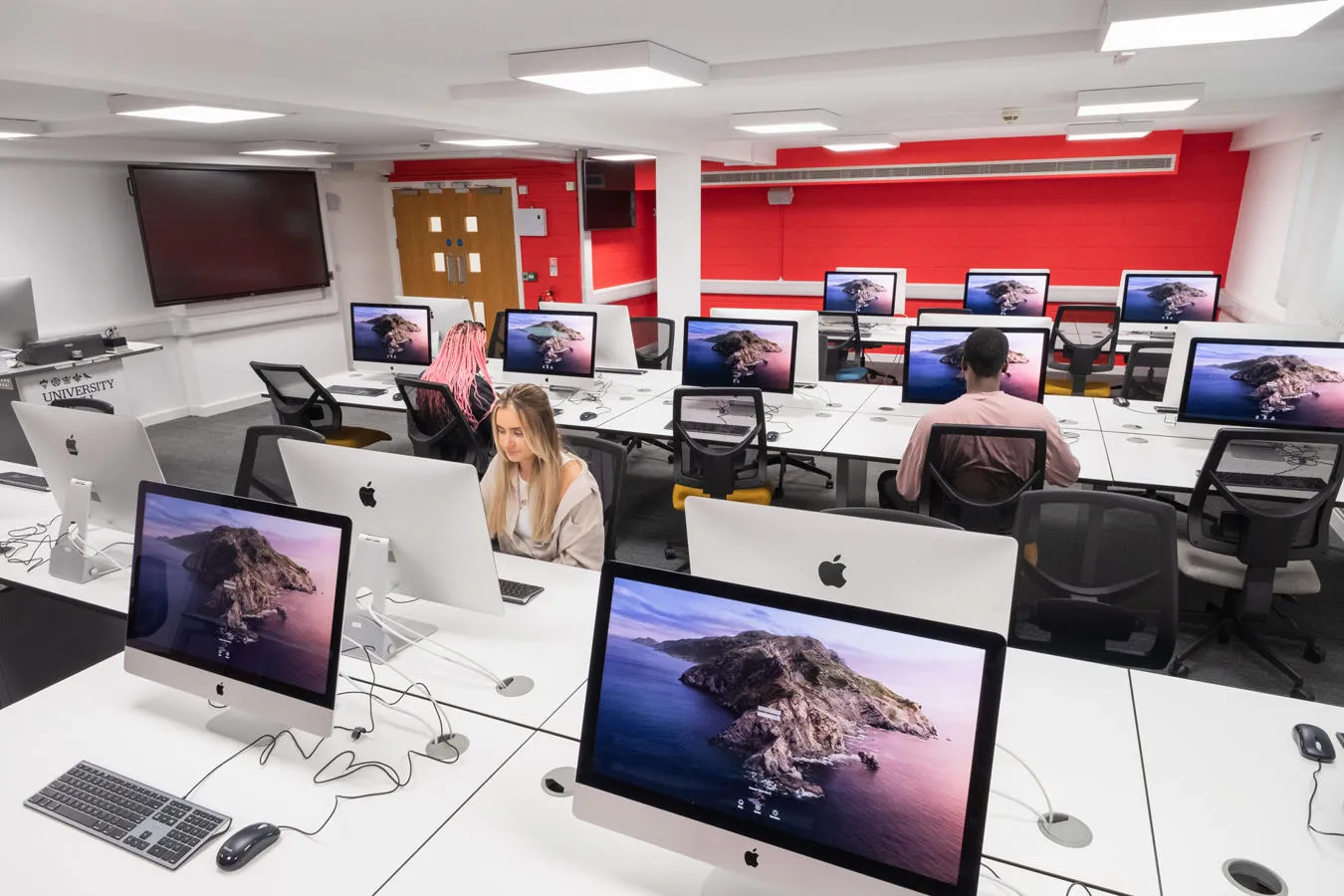
You work across both practical and digital production spaces. Record in our multi-purpose studio. Create digital environments using the Unreal game engine. And develop editing and post-production skills in our industry-standard media labs.
You learn about leadership in the creative industries. Focusing on the creative processes, such as individual and group planning, and safe working practices. As well as key organisational aspects, including diversity, entrepreneurship, and the legal realities.
Screen Yorkshire’s Connected Campus can offer you work experience and masterclasses. We’re also partners with the Northern Media Mentors: a group of media producers and creators. They provide 1-to-1 advice, workshops, and live briefs for you to work on.
Did you know Hull was used for The Crown, Enola Holmes 2, and David Copperfield? Our region is growing in popularity as a film location. And that means even more opportunities to gain real-world experience on top of your degree.
Welcome to Hullywood.
Foundation year
A foundation year at the University of Hull gives you a solid grounding of knowledge and boosts your academic skills, so you can progress on to your chosen programme with confidence.
The foundation course you enrol on may not be an exact match to your chosen degree, but don’t worry. Our foundation courses combine content from multiple related courses in the same subject area, giving you more flexibility and choice about the degree path you take.
For example, if you apply for a Music Foundation Year, you’ll join our Media Foundation course. So, if you decide to switch - say, from Music to Graphic Design - you can do so without restarting your foundation year.
Module options
Each year, you’ll study modules worth a certain number of credits, and you need 120 credits per year. Most modules are 20 credits – so you’ll study six modules each year. Some longer modules, such as a dissertation, are worth more. In these cases, you’ll study fewer modules - but the number of credits will always add up to 120. Some modules are compulsory, some are optional, so you can build a course that’s right for you.
No filters selected
Preparing for Learning in Higher Education
This module is designed to give you the best possible start to your university studies, making sure you have all the essential skills you need to succeed. Through lectures and workshops we will teach you how to write in an academic style, how to find quality sources, and how to reference work, culminating in writing up a mini-research project.
core
20 credits
Introduction to Study in the Humanities
This module equips you with a suite of analytical and theoretical tools to support you as you progress along your academic journey. You'll develop an interdisciplinary understanding of approaches to study in the humanities by working with a variety of resources, including novels, films and aspects of the visual arts.
core
20 credits
Research in the Humanities, Social Sciences and Education
This module will equip you with the necessary skills to conduct and analyse research in a specific interest, supported by academics within your subject. You'll navigate through the research process, from identifying an area of interest to presenting findings to your peers.
core
20 credits
Group Challenge (Humanities)
Formulate and execute a group led enquiry into texts, cultural artefacts, film, music or dance. You'll explore their topics in groups at supervised workshops and develop questions on the cultural object relates to the living world of human experience, as well as developing your own methods to answer these questions.
compulsory
20 credits
Foundation in Data Analysis
Develop a strong foundation in data collection and analysis. This module will introduce you to qualitative and quantitative data and how to analyse it; the collection of primary and secondary data; the production of high-quality graphics; and report writing.
compulsory
20 credits
Academic Writing Skills
Developing confidence in expression, oral as well as written, is a key feature of this module, which aims to familiarise you with university submission and assessment procedures. This is a clear building block towards your degree programme and places you at a distinct advantage when you move into the following year.
compulsory
20 credits
Screen Storytelling
Learn how structure and style shape film narrative through classroom- and studio-based learning.
compulsory
20 credits
Introduction to Filmmaking
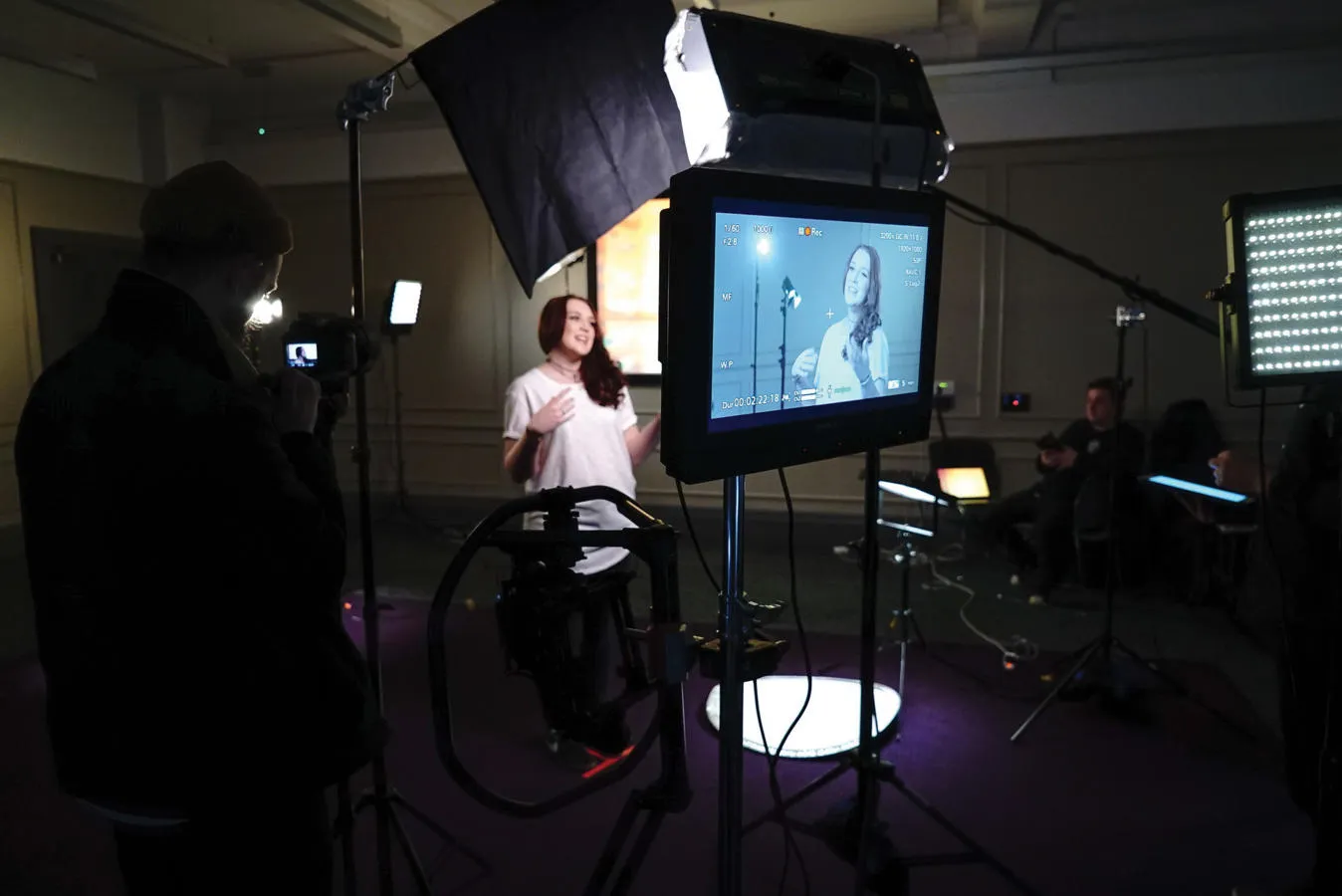
On this hands-on module, we'll introduce you to our extensive technical resources. But more importantly, we'll teach you how to choose the right tool for each job. How to coordinate action and understanding among your whole crew, so you can succeed in the most fundamental filmmaking task: solving creative problems.
You’ll develop your creative practice skills and learn the fundamentals of practical filmmaking. Whether you’re making film or professional online content, understanding established filmmaking techniques and practice are essential for success. We’ll guide you through a range of film production techniques, processes and methods.
So, by the end, you’ll be well prepared to tackle the rest of your degree. But more than that, you’ll have the skills to take your first steps toward becoming an industrial and recognised film professional.
compulsory
20 credits
Introduction to Documentary
Reflect on how filmmakers have tried to capture reality, and plan your own documentary project.
compulsory
20 credits
If you could tell one story, what would it be?
 Featured module
- optional
- 20 credits
On this module, you’ll get the chance to choose a true story and develop it into an engaging short film.
Documentary storytelling has become an essential part of the British film and television industry. Making documentary skill sets valuable assets for any filmmaker.
With specialised supervision, you’ll find and develop a story that you want to tell. Then you’ll produce documentary to a festival standard in the short space of twelve weeks.
Our facilities
Watchlist
Degrees that live up to life
Course montage
1 min
Dr James McLean
Course overview
2 mins
Your course in their words
Student Story
1 min
Life on campus
University life
2 mins
Film and Media Facilities
Course Highlight
2 mins
The Gold Standard for Teaching
University life
1 min
Featured academics
You’ll be taught by enthusiastic, expert staff who are as passionate about their field as they are knowledgeable. With expertise and professional experience spanning a wide range of genres, they bring diverse perspectives and a deep love for their subjects into every class, ensuring an engaging and well-rounded learning experience.

Dr James McLean
Lecturer in Media Production
James teaches media production, drawing from his experience in creative pre-production and production roles across. His research focuses on the processes of media production. He contributes to media projects with visual design and podcast hosting.

Dr Laura Mayne
Lecturer
A film historian who specialises in post-war British cinema, Laura is a published author. She co-wrote Transformation and Tradition in Sixties British Cinema, a reassessment of the nature and significance of British cinema and the film industry.
Entry Requirements
What do I need?
At Hull, you're a name, not a number. It's not just about the grades - we'll look at your whole application.
If you're not eligible for direct entry to this course, we may recommend a foundation year as an alternative route to studying for a degree.
To discuss your options, send us an enquiry or call us from 8am on Results Day on 01482 466100.
Every year, hundreds of students join the University of Hull through Clearing for all sorts of reasons and go on to achieve great things. Learn more about Clearing.
Qualification types
We accept a wide range of qualifications and combinations of qualifications, including A levels, BTECs and other accepted qualifications.
We don’t just see what you’re like on paper, we see you. All of you. Your achievements, work experience, music and sport qualifications and the projects you’ve been involved in. We want to hear it all.
Fees & Funding
How much is it?
Tuition fees for 2027 entry have not been confirmed. Please use 2026-27 information as a guide.
For UK students, our standard course fee is £9,790 per year. Keep in mind that some courses are longer - for example, spending your third year abroad will make your degree four years in total.
If you choose to study a foundation year as part of your course, the fee is £9,790.
How do I pay for it?
You can take out a tuition fee loan to cover the full cost of your course. Once you’ve successfully applied for this, you don’t need to do anything else – the money is sent straight to us.
You can also take out a maintenance loan of up to £10,544 a year to cover your living costs, depending on your household income.
Remember, you won’t start paying your loans back until you’ve left university and earn more than £25,000 per year.
See our full fees and funding information for more details and to find out what support we can offer.
Foundation Year Fee
£9,790
Standard Tuition Fee
£9,790 / year
The amount you pay may increase each year, in line with inflation - but capped to the Retail Price Index.
Future prospects
You’ll gain the technical, practical, business and personal skills to succeed in the creative industries and beyond. You’ll graduate as a work-ready professional with industry insight.
Our graduates have gone on to become TV and film producers, journalists, marketers, publishers, events managers, PRs and more.
Become part of the next generation of futuremakers
Like what you've seen? Then it's time to apply.
The standard way is to apply through UCAS. This will give you the chance to showcase your skills qualities and passion for the subject, as well as providing us with your academic qualifications.
Not ready to apply yet?
Visit our next Open Day, and see all that the University of Hull has to offer. Talk to our lecturers about your subject, find out what university is really like from our current students, and take a tour of our beautiful campus and amazing facilities.
You may also be interested in...
BA (Hons) Media and Communication
Undergraduate
Master creative production skills and critically explore the economic, cultural and historical relationship between media and society.
P306
BA (Hons) Film
Undergraduate
Ideal for those passionate about film, and want to develop a deeper understanding of its history and culture, alongside practical filmmaking experience.
W631
All modules on this course page are subject to availability and this list may change at any time.