

This degree equips you to tackle the challenges of Special Educational Needs, Disability, and Inclusion (SENDI), preparing you for a career in education, advocacy, policy, or support services.
The Special Educational Needs, Disability, and Inclusion (SENDI) course explores exclusion, discrimination, and barriers to learning by reshaping cultures, policies, and practices. You will examine neurodiversity and the voices of children, young people, and adults with SEND, challenging stereotypes, interrogating inequalities, and co-producing asset-based approaches that value diversity.
Engage with local, national, and global SEND communities through research, teaching, and placements. Develop key skills in participatory practices, equipping you to make a real difference in shaping policy, research, and practice in the SEND field.

Joint 1st in the UK
for Value Added Score
The Guardian University Rankings, 2027
1st in Yorkshire
for Learning Resources
National Student Survey (NSS) 2026, HEIs only
1st in Yorkshire
for Student Voice
National Student Survey (NSS) 2026, HEIs only
9th in the UK
for the subject of Education
Daily Mail, 2026

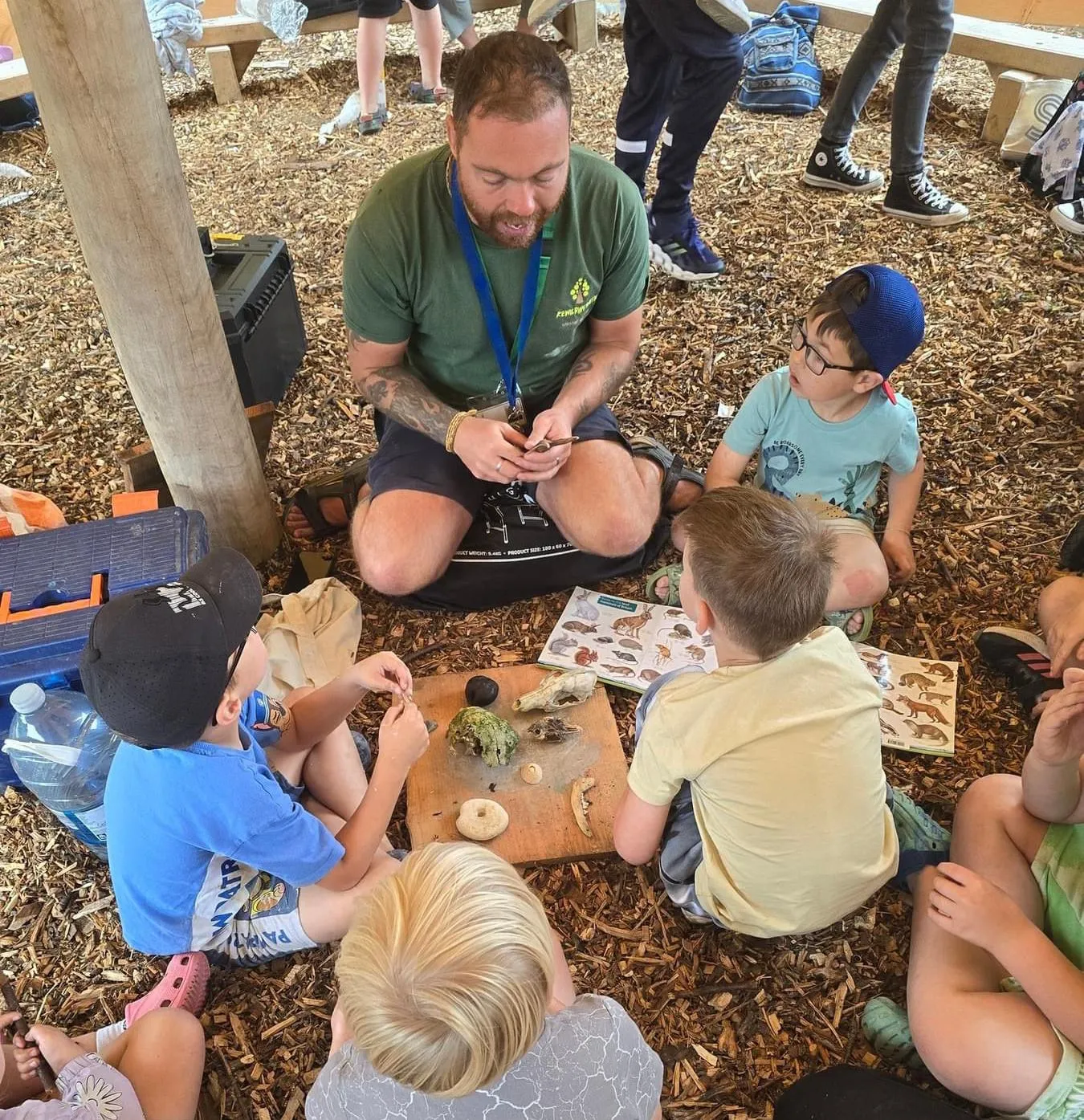
Learn hands on
with a work-based placement

Forest School
certification opportunity

Develop practical skills
in our simulated early years learning environment

Optional pathways:
SENDI, TESOL and JNC-qualified YCW

600+ education partners
for real-world learning
About this course
This forward-thinking degree challenges exclusion, discrimination, and barriers to learning, empowering you to create a fairer, more inclusive society. Rooted in equity and diversity, it equips you with the skills to interrogate inequalities, rethink policies and practices, and advocate for meaningful change.
Explore key topics such as neurodiversity, institutional inequality, and participatory approaches that amplify the voices of people with SEND. You’ll challenge stereotypes, co-produce asset-based solutions, and develop inclusive practices that celebrate diversity and recognise strengths.
Practical placements each year—locally or abroad—offer hands-on experience in SEND schools, charities, and advocacy organisations. These placements help you apply theory to practice, gaining first-hand experience working with children, young people, and adults with SEND. Students are also typically on campus just two days per week, allowing flexibility for work, and independent study.
To enhance your expertise, you can gain additional qualifications such as Forest School, and play-based therapies like Lego therapy—highly valued skills that will strengthen your ability to support individuals with SEND.
Guided by expert academics and enriched by Hull’s strong SEND networks, you’ll benefit from high-quality teaching, innovative research, and global collaborations. With a blend of theory, practice, and participatory approaches, this degree prepares you to lead change and drive inclusion at every level.
Want to change lives? Start with yours.
Module options
Each year, you’ll study modules worth a certain number of credits, and you need 120 credits per year. Most modules are 20 credits – so you’ll study six modules each year. Some longer modules, such as a dissertation, are worth more. In these cases, you’ll study fewer modules - but the number of credits will always add up to 120. Some modules are compulsory, some are optional, so you can build a course that’s right for you.
No filters selected
Education, Power and Knowledge
This module offers you the opportunity to make a difference, through education, from the beginning of your studies. As agents of educational change, you will explore the issues you are passionate about, alongside fellow students and academics. You will examine how mainstream education has been shaped through agendas of power and how knowledge contributes to maintaining or disrupting current educational provision. This module then introduces you to alternate approaches to education, and to the direct action of educators and learners to do education differently. These approaches can act as drivers of social change to challenge poverty and inequity to enable education to create opportunities to develop flourishing communities at local, national and global contexts
compulsory
20 credits
Equality, Diversity and Inclusion
This engaging module provides foundation knowledge and skills that will enable you to develop understanding and analysis of social inequalities and the nature of discrimination in contemporary society. There will be opportunities to explore key equality legislation and policy. The module will explore the ethical and political rationale for developing equitable, diverse, and inclusive practices as part of an agenda for social justice and social change.
compulsory
20 credits
Learning Across the Lifespan
This module aims to build your understanding of theories of human development and learning in different phases of the lifespan.
It prepares you to think of ways to support learning by introducing you to a range of theories which may complement or be in tension with one another.
In developing an understanding of this underlying theoretical knowledge, you will have an awareness of different interventions across a range of situations and contexts.
‘Thinking with’ theories will help you understand theories in a situational way, bearing in mind that theories can be combined in various ways.
compulsory
20 credits
Ethical Dilemmas and the Moral Maze
Dealing with real-world, ethical, or moral dilemmas is both challenging and pertinent to all areas of lived experience and professional, practice. The module will introduce you to a range of theoretical models and provide opportunities to explore these in relation to real world ethical dilemmas drawn from professional practice contexts.
compulsory
20 credits
Social Justice and Social Change
How can you turn big questions about fairness and inequality into real change? This module invites you to explore the challenges facing society and take an active role in shaping solutions.
Working collaboratively, you’ll investigate pressing social justice issues - from poverty and inequality to education, democracy, and the future of work. You’ll engage with innovative projects and community initiatives, gaining insight into how research and action can drive meaningful social change.
Through partnerships with local, national, and international organisations, you’ll have opportunities to connect theory with practice and see how communities work together to create impact.
Ask bold questions, act, and be part of shaping a fairer future.
compulsory
40 credits
Professional Practice Placement
You will have the opportunity to make a difference to the lives of people and communities through an extended placement within your chosen field, either in the UK or abroad. The placement will support you to become increasingly confident, and able to drive your own professional development. We have exciting placement opportunities in various contexts that will introduce you to a range of innovative ways you can work with and alongside SEND organisations, practitioners, children, young people, and families which have impact in their lives.
compulsory
40 credits
Managing Self in Contemporary Practice Contexts
This module will provide opportunities to understand how organisations work in contemporary society and will consider different approaches to leadership. The module will encourage you to explore your own approach to leading and managing in the 21st century and introduce you to a range of graduate futures across all organisation types including for example schools, charities, health services or your own enterprise business. The module will encourage you to think about leadership in new ways as well as understanding the challenges facing organisations in developing ethical and socially just practices and services. You will acquire a range of skills and develop your knowledge to help you make a difference through activities such as knowing where to source funding and write a funding bid to evidence good practice.
compulsory
20 credits
Creatively and Critically Exploring Neurodiversity
How can listening to lived experiences reshape how we understand neurodiversity? This module takes an innovative, collaborative approach to exploring difference, identity, and inclusion.
You’ll engage with first-person accounts from neurodivergent individuals, developing asset-based perspectives that challenge traditional views in education and society. Along the way, you’ll explore concepts such as identity-first language, self-advocacy, and participatory approaches that empower neurodivergent people to shape policy, research, and practice.
Through critical inquiry and reflection, you’ll build your own conceptual toolkit for working alongside children, young people, and communities in inclusive and meaningful ways.
Challenge assumptions, amplify lived experience, and help shape more inclusive futures.
compulsory
20 credits
Working Therapeutically and Inclusively with Children with SEND
This exciting module enables you to consider how you might work more effectively and inclusively with children and young people who have Special Educational Needs Disabilities. You will be able to develop hands-on practical experience with therapeutic approaches such as play therapy, life story work and Lego therapy.
compulsory
20 credits
How do you make a difference? By thinking differently.
 Featured module
- optional
- 20 credits
How can listening to lived experiences reshape how we understand neurodiversity? This module takes an innovative, collaborative approach to exploring difference, identity, and inclusion.
You’ll engage with first-person accounts from neurodivergent individuals, developing asset-based perspectives that challenge traditional views in education and society. Along the way, you’ll explore concepts such as identity-first language, self-advocacy, and participatory approaches that empower neurodivergent people to shape policy, research, and practice.
Through critical inquiry and reflection, you’ll build your own conceptual toolkit for working alongside children, young people, and communities in inclusive and meaningful ways.
Challenge assumptions, amplify lived experience, and help shape more inclusive futures.
Our facilities
Watchlist
Dr Patricia Shaw
Course overview
2 mins
Rewilding Reading
Course Highlight
9 mins
Your course in their words
Student Story
2 mins
Featured academics
You'll benefit from the outstanding support of academic staff who are experienced education practitioners.
Our research is driven by the belief that education can challenge inequalities and injustices in society, and seeks social and educational change to enhance fairness, equity and social justice.
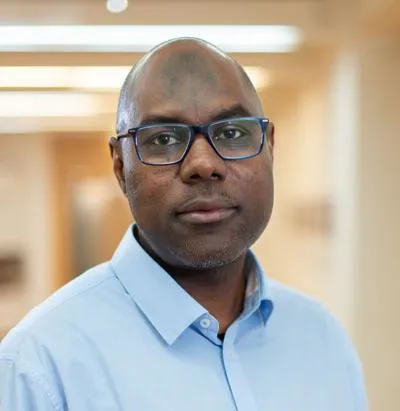
Gwadabe Kurawa
Head of MA Special Educational Needs, Disabilities and Inclusion programme
Gwadabe is the Head of MA Special Educational Needs, Disabilities and Inclusion programme. His teaching covers equality, diversity and inclusion in education, and international and intercultural perspectives.
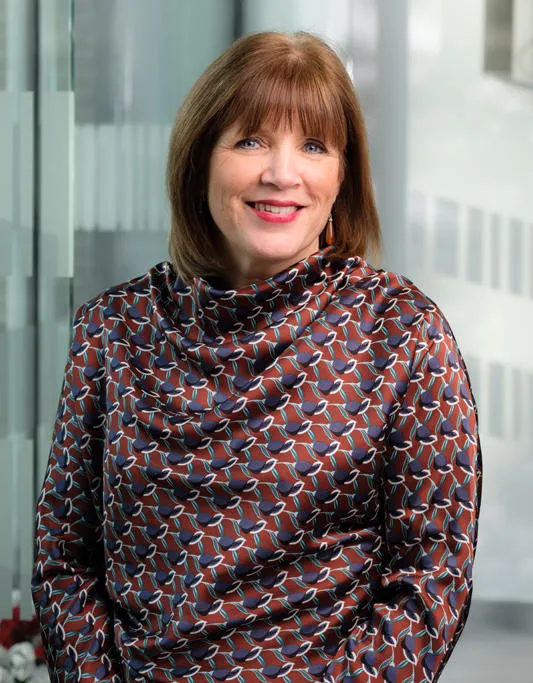
Dr Tricia Shaw
Senior Lecturer
Tricia, a senior lecturer in Education Studies here at Hull, is currently the Director of the Doctoral College. She previously served as a primary school teacher and SENCO, ensuring support and inclusive education for children with SEND.
Entry Requirements
What do I need?
This course has a range of tariffs for entry. Use the interactive slider to choose a number of points and see the course entry requirements.

Slide to set your points
A levels
BCC
BTEC
DMM
Equivalent qualifications and grades are accepted.
How to apply for this course
Most importantly, you need ambition. Together with our support and opportunities, you can go further than you ever thought possible.
Our typical offer for this course is 96–104 UCAS points. Our contextual offer is 96 points. But there’s no ceiling on ambition.
At least 80 points must come from A levels, BTEC, or other equivalent qualifications.
Remember, we look at your whole application – not just grades. Achievements, work experience, extracurricular activities: they all count here. We also consider qualifications and experience from the UK and worldwide that may not exactly match those listed.
Not sure if you’ll meet the entry requirements?
Talk to our Admissions team today. We’ll look at your circumstances, give you personalised guidance and help you understand your options, one of which could be a Foundation Year.
Fees & Funding
How much is it?
Tuition fees for 2028 entry have not been confirmed. Please use 2027-28 information as a guide.
For UK students, our standard course fee is £10,050 per year. Keep in mind that some courses are longer - for example, spending your third year abroad will make your degree four years in total.
If you choose to study a foundation year as part of your course, the fee is £10,050.
Standard Tuition Fee
£10,050 / year
The amount you pay may increase each year, in line with inflation - but capped to the Retail Price Index.
How do I pay for it?
You can take out a tuition fee loan to cover the full cost of your course. Once you’ve successfully applied for this, you don’t need to do anything else – the money is sent straight to us.
You can also take out a maintenance loan of up to £10,544 a year to cover your living costs, depending on your household income.
Remember, you won’t start paying your loans back until you’ve left university and earn more than £25,000 per year.
See our full fees and funding information for more details and to find out what support we can offer.

Future prospects
Graduates of this course pursue impactful careers as Equality, Diversity and Inclusion Officers, SEND Co-ordinators, Pastoral Care Officers, Disability Rights Advocates, Mental Health and Wellbeing Officers and more. Many also work in teaching, educational management and charities supporting SEND communities, and with further study, graduates can also enter youth work as a profession.
The course also provides a strong foundation for postgraduate study, for example our MA Social Justice and Community Engagement or MA SENDI degrees, opening doors to advanced roles in education and beyond.
Become part of the next generation of futuremakers
Like what you've seen? Then it's time to apply.
The standard way is to apply through UCAS. This will give you the chance to showcase your skills qualities and passion for the subject, as well as providing us with your academic qualifications.
Not ready to apply yet?
Visit our next Open Day, and see all that the University of Hull has to offer. Talk to our lecturers about your subject, find out what university is really like from our current students, and take a tour of our beautiful campus and amazing facilities.
You may also be interested in...
BA (Hons) Education Studies
Undergraduate
Gain the skills to work with children and inspire the next generation with a BA Education Studies degree at the University of Hull. Apply now.
X300
BA (Hons) Education Studies (Youth and Community Work)
Undergraduate
Inspire the next generation and make a difference in young lives with a BA Youth and Community Work degree at the University of Hull. Apply now.
X305
BA (Hons) Education Studies (Teaching English to Speakers of Other Languages)
Undergraduate
Develop the expertise to teach English and empower learners worldwide with our BA TESOL degree at the University of Hull. Apply now.
X303
BEd (Hons) Education and Childhood Studies (1 year top-up)
Undergraduate
Top up your foundation degree on a course that combines academic theory with fun and creative ways to encourage young children to participate in learning.
X321
BA (Hons) Primary Teaching Studies
Undergraduate
This degree is a direct route into entry-level primary school teaching. You'll benefit from our excellent links with Primary Partnership schools.
X125
All modules presented on this course page are subject to availability and this list may change at any time.