



Be a part of the energy transformation with this Masters degree.
The renewable energy sector is rapidly expanding to deliver the change in our energy systems that we must achieve if we’re to reach net zero. We need skilled energy workers to deliver that change. People who are trained in planning, implementing and managing renewable energy projects.
That’s where you come in.
This conversion course is suitable for students with an undergraduate degree in any STEM subject who want to make a difference by contributing to the renewable energy transition1.

Graduate ready
for a career in renewable energy

Designed
in collaboration with industry

Work on real-world research
and make a difference

Located at the heart
of the UK’s energy estuary

Work with data
from our living lab
About this course
Designed in collaboration with industry, this course teaches you the skills the sustainable and renewable energy sector needs. Learning in the heart of the UK’s ‘energy estuary’, you’ll cover a diverse range of renewable energy technologies. And gain a thorough overview of the industry.
You’ll explore technologies including on-shore and off-shore wind, solar power, hydropower and biofuels. Along with carbon removal and low-carbon solutions and environmental management and policy.
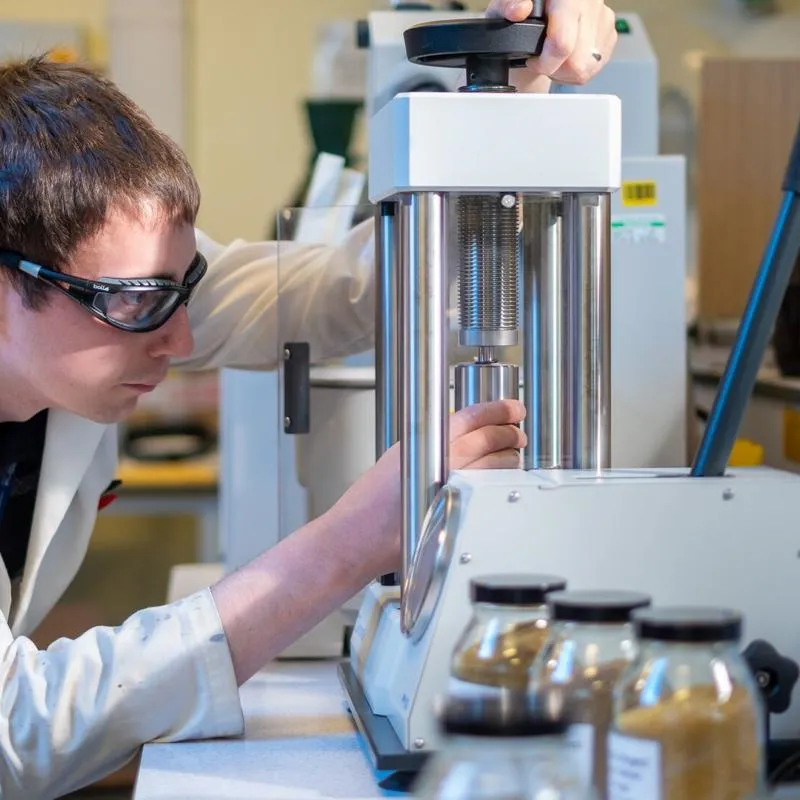
Through practical lab classes you’ll develop industry-relevant research and analytical skills. Build your digital knowhow working with industry-standard software such as windPRO. Carry out resource analysis and environmental impact assessments. And enhance your professional skills including teamworking, presentation, report writing and project management.
Our strong industry links give you the chance to take part in field trips to renewable energy sites in the region. Along with opportunities to hear from guest speakers from the sector. You’ll be able to specialise in an area of choice in your dissertation and could get the opportunity to carry out real-world research.
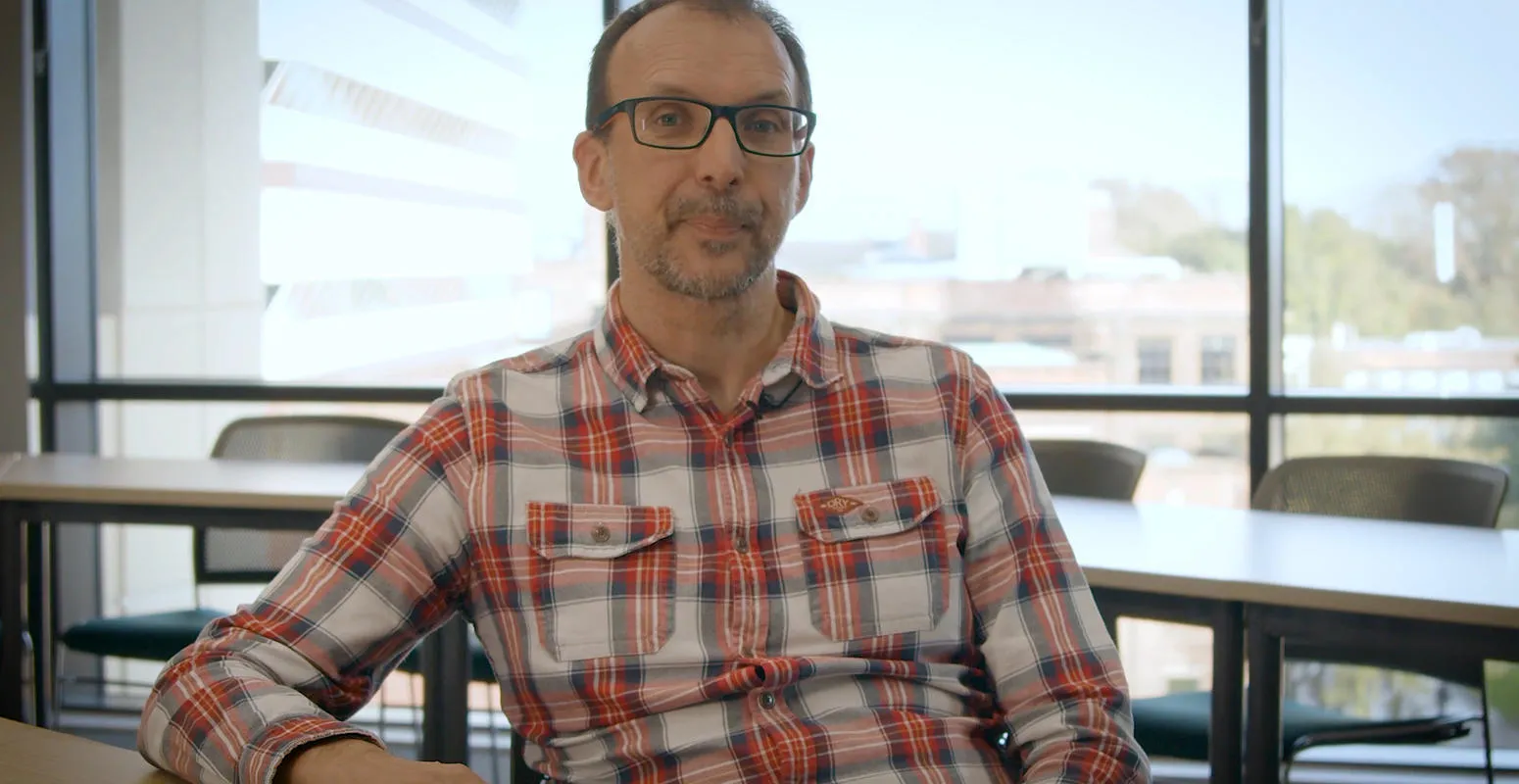
MSc Renewable Energy overview
2 mins
Module options
For a full Masters degree, you'll study 180 credits over the duration of your course. Some programmes offer a Postgraduate Diploma (PGDip) qualification or a Postgraduate Certificate (PGCert) qualification. For a PGDip, you'll study 120 credits, and for a PGCert, you'll study 60 credits.
No filters selected
Renewable Energy and Low Carbon Solutions Dissertation
What fascinates you? The Dissertation provides you with the opportunity to make an original contribution to the study of renewable energy and low carbon solutions. You will design, carry out and write up a research project on a suitable topic of your choice, supported by your dissertation supervisor.
core
60 credits
Carbon Management and Removal
Renewable energy must be carbon neutral to work effectively. This requires understanding how to measure and assess these technologies throughout there lifecycle. In this module you will learn the basic concepts of carbon management, its methods, as well as how renewable energy can be used to reduce the emissions of other sectors.
compulsory
20 credits
Effective Communication and Project Management
Developing effective communication and project management is important for future careers in the renewable energy industry. In this module, you will work in teams to research and develop a series of renewable energy topics, and present to an audience. You will also learn how to develop and manage a renewable energy project, which will prepare you for the renewable energy industry.
compulsory
20 credits
Renewable Energy Technologies
This module introduces the diversity of renewable energy sources, including solar, wind, hydropower, geothermal energy, biomass, and energy from waste systems. You will develop an understanding of how each technology works, the principles governing their performance, and the methods used to assess available energy resources. By the end of the module, you will have a solid grounding in the renewable energy sector and the skills needed for future roles in the energy industry.
compulsory
20 credits
Environmental Impacts and Assessment
Renewables and low carbon solutions cannot progress without understanding their impact on the environment and Environmental Impact Assessments are the industry standard to address these issues. In this module, you will learn about the ecological, environmental, socio-economic, aesthetic and legislative aspects of EIAs including insights from industry experts.
compulsory
20 credits
Professional Practice and Methods for Industry and Research
In this module you will develop key skills required to plan, undertake, and report on independent projects in industry and academia. You will learn professional skills and data analysis techniques using industry-standard software to address applied renewable energy problems. At the end of this module you will have the skills required to undertake you own dissertation project in Trimester 3.
compulsory
20 credits
Energy Storage Technologies and Systems
This module provides a comprehensive overview of energy storage technologies and their role in modern low-carbon energy systems. Students will explore the current alongside emerging innovations that are shaping future energy infrastructures. Through a combination of theory, real-world case studies, and project-based activities, you will understand how storage technologies enable greater integration of renewable energy. You will also develop the analytical and problem-solving mindset valued by employers in this rapidly evolving sector.
compulsory
20 credits
Our academics
You’ll be taught by academics with a broad range of expertise across renewable energy and sustainability.
Over 80 environmental experts and world-leading scientists make up our Energy and Environment Institute. They're people who bring their research, experience and passion into everything they teach.
Meet the lecturers who teach on this course:

Dr Ben Kolosz
Lecturer in Renewable Energy and Carbon Removal
Ben works at the interface between renewable energy and carbon removal, assessing the energy needs of technological systems as well as their societal impacts on the global community.

Dr Cheng Zeng
Lecturer in Renewable Energy & Sustainable Technologies
Cheng's research is in sustainable building services, renewable energy, energy-efficient technologies, and low-carbon solutions aimed at driving net-zero ambitions.
Entry Requirements
What do I need?
When it comes to applying for this Postgraduate Taught degree, you'll need an Undergraduate degree (or equivalent). For this course, you'll need a 2:2 from a relevant bachelor's degree.
The programme is designed for graduates who have studied a subject that is relevant to this course.
If you’re an undergraduate student at Hull, you’re guaranteed a fast-track route to this postgraduate degree, as long as you meet the entry requirements.
In order to ensure our students have a rich learning and student experience, most of our programmes have a mix of domestic and international students. We reserve the right to close applications early to either group if application volumes suggest that this blend cannot be achieved.
Typical offer
2:2 in a relevant subject area
Typically a 2:2 (or above), or international equivalent in an engineering or science subject.
Fees & Funding
How much is it?
Tuition fees for 2028 entry have not been confirmed. Please use 2027-28 information as a guide.
The cost of a Masters course typically reflects a combination of factors such as the level of expertise offered, access to specialist facilities, industry engagement, and academic support. It also considers the course’s duration, intensity, and resources provided—from expert-led seminars to hands-on learning opportunities.
How do I pay for it?
UK students can take out a Masters Loan to help with tuition fees and living costs. For 2025 entry, they provide up to £12,858 for full-time and part-time taught and research Masters courses in all the subject areas. Find out more about Postgraduate Loans.
Scholarships
We offer a number of awards, bursaries and scholarships for eligible students. They’re awarded for a variety of reasons including academic achievement and/or to help those on lower incomes.
Scholarships and bursaries are separate to student loans. And the best bit is, you don’t pay a penny back.

International Scholarships and Bursaries
We offer a range of scholarships and bursaries for international students.
Find out more and see if you're eligible for our International Scholarships and Bursaries.

See more Scholarships
We offer a range of scholarships and awards to students at the university to help with their financial load.
To view all of our scholarships and determine whether you're eligible, please visit our Scholarships and Awards page.
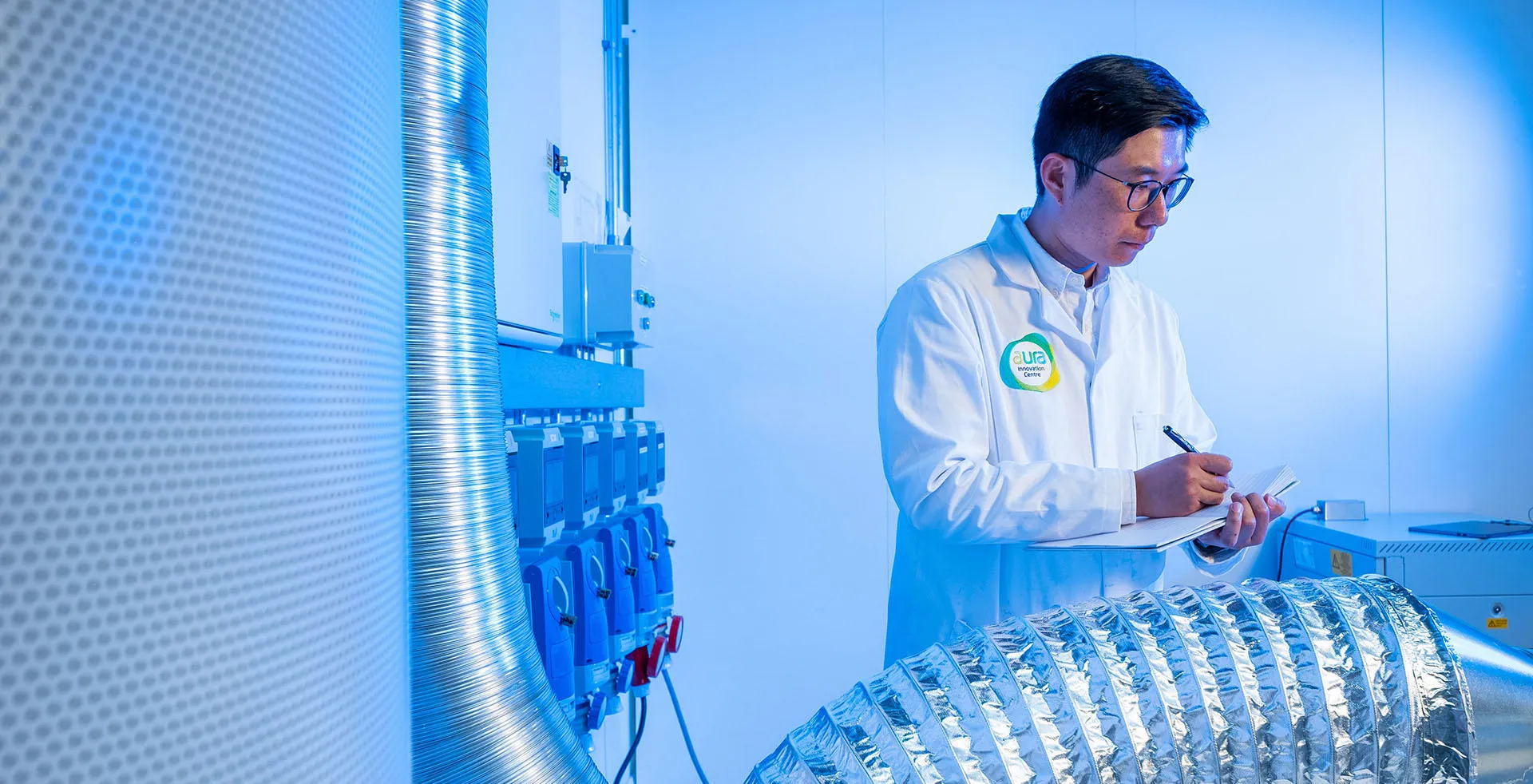
Renewable energy facilities
Future Prospects
You’ll graduate with the in-demand skills the rapidly growing renewable energy sector needs. You could go on to a career in industry, consultancy, government, academia or non-governmental organisations. Working in a wide range of roles.
Our graduates have gone on to diverse careers including resource analyst, project manager, solar design engineer, renewable energy consultant, sustainability analyst, energy officer, and renewable engineer.
Others have gone onto further study with a PhD in renewable energies. You could apply to study a PhD in offshore wind energy at our Aura Centre for Doctoral Training, for example.
Take your career to the next level
Like what you’ve seen? Then it’s time to apply.
Make your application online now, and our admissions team will get back to you as soon as possible to make you an offer.
Not ready to apply yet?
We regularly deliver virtual and on-campus events to help you discover your perfect postgraduate course, whether it’s a subject you already love or something completely different. Our events are an opportunity for you to chat to tutors and current students and find out about the career options a postgraduate degree could lead to.
You may also be interested in...
MSc Energy Engineering
Postgraduate Taught
This Masters equips you for specialised roles in energy engineering, or prepares the ground for PhD study.
MSc Health and Climate Change
Postgraduate Taught
A course for health leaders tackling the greatest threat to human health of the 21st century - climate change.
Applicants seeking training in Renewable Energy Engineering should consider the MSc Energy Engineering. We are not able to supervise highly technical engineering-based projects within the MSc Renewable Energy.
All modules presented on this course page are subject to availability and this list may change at any time.