Reaching beyond statutory support
Evaluating The Salvation Army’s Reach-in service for survivors of modern slavery

Project summary
The Challenge
Modern slavery survivors can face significant challenges when leaving statutory support. The Salvation Army wanted to evaluate their Reach-In follow-up service for survivors.
The Approach
Wilberforce Institute researchers evaluated the Reach-In service through surveys, interviews and service analysis to understand survivor experiences and outcomes.
The Outcome
Evidence-based recommendations are informing service development and helping create more effective, person-centred recovery and reintegration support.
Institutes and centres

Lead academics
Project funded by

Project Partners
Generating evidence that drives service improvement
Our research provided actionable insights to help The Salvation Army strengthen its Reach-In service and better meet survivors' long-term needs.
The Challenge
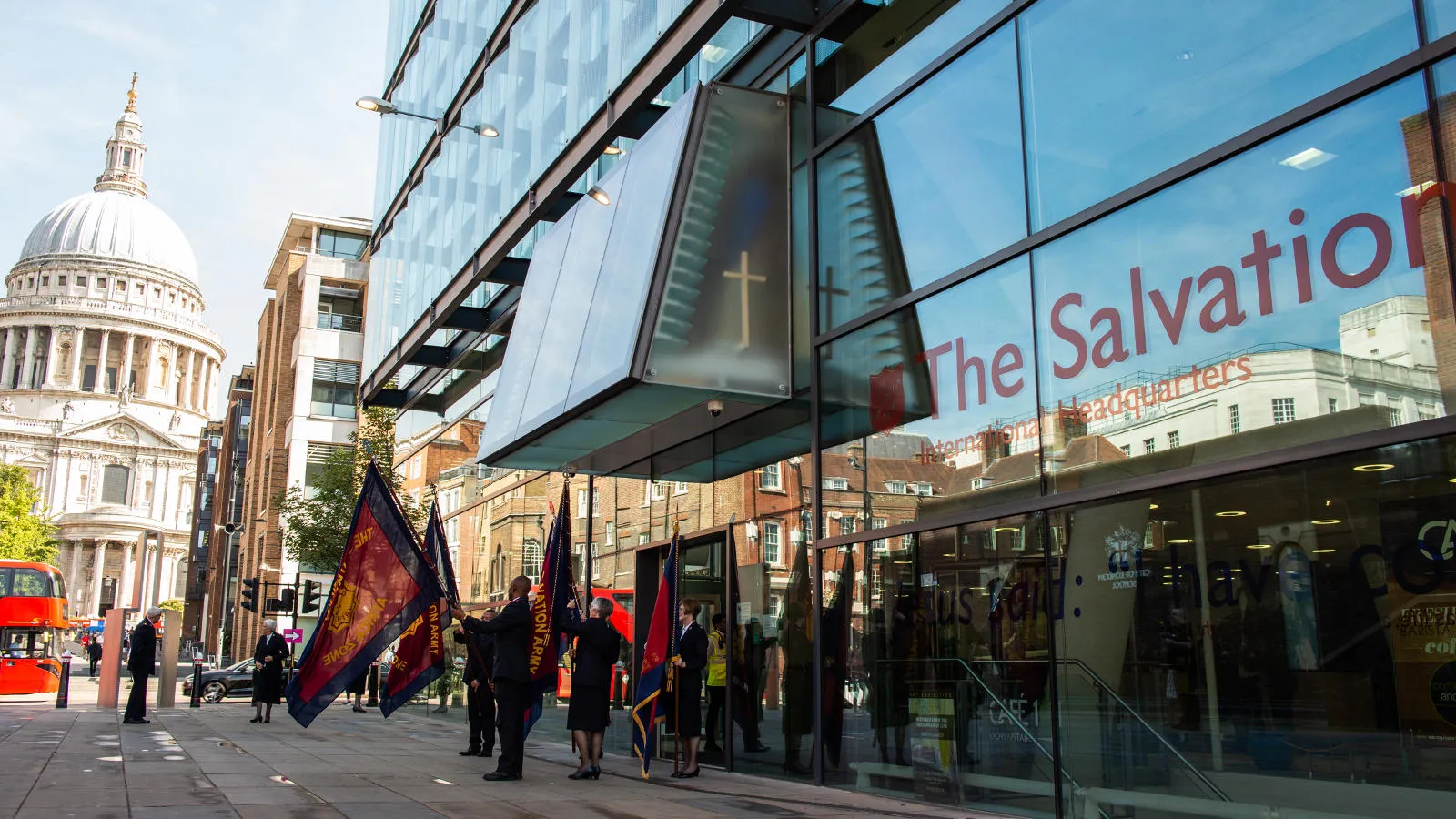
Statutory Support for adult survivors of modern slavery is provided through the UK Government’s Modern Slavery Victim Care Contracts (MSVCC). As an MSVCC provider, the Salvation Army noted that modern slavery survivors often face significant challenges when moving from supported services into independent community living. The Salvation Army developed its Reach-In initiative to provide additional support during this transitionary period, helping survivors move on from mainstream services in a safe and sustainable way.
Between 2021 and 2024, The Salvation Army’s Volunteer First Responder service received 3,000 referrals under the latest Modern Slavery Victim Care contract.
As the number of people accessing their Reach-In support increased, the Salvation Army identified a growing need to evaluate how effectively the programme supports survivor wellbeing, recovery and reintegration, while identifying opportunities to strengthen future delivery.
The Approach
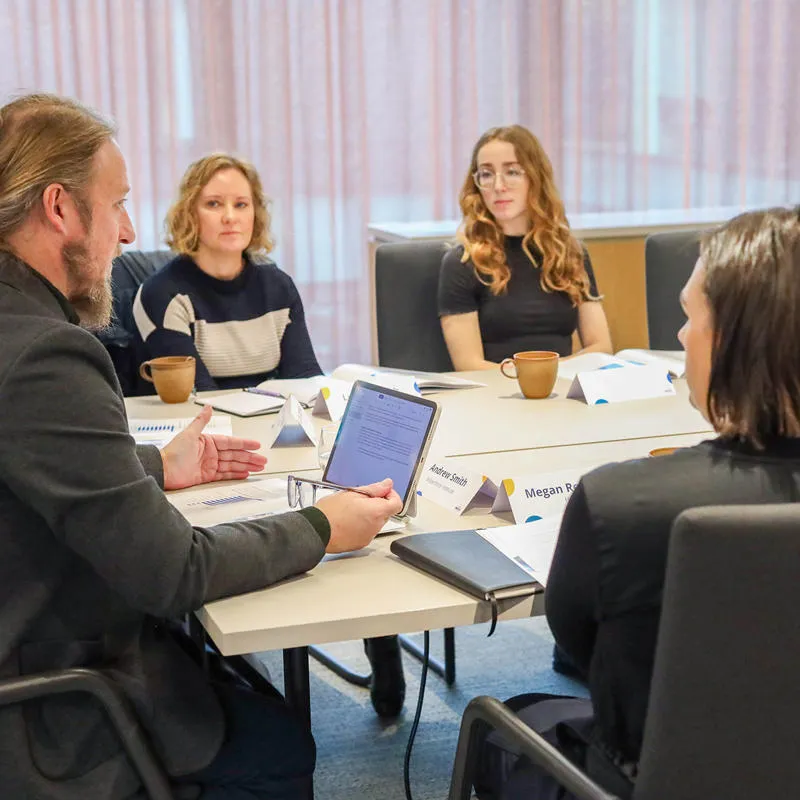
The Salvation Army’s Anti-Trafficking and Modern Slavery Department commissioned an independent evaluation from the Wilberforce Institute. Led by Andrew Smith, the research team designed a project plan combining survivor-centred research with an in-depth service evaluation.
The team engaged with survivors who were currently engaged with the Reach-In service, plus practitioners and staff at four different Reach-In delivery providers, including Salvation Army Direct Delivery, to build an understanding of service-user experiences.
The evaluation included:
- Quantitative surveys distributed through The Salvation Army
- Interviews with staff, managers and people with lived experience of modern slavery
- A desk-based review of programme data, communications and delivery structures
- Assessment of survivor outcomes using the Modern Slavery Core Outcome Set, where appropriate.
Following in-depth analysis, the findings were gathered into a report, providing key insights and recommendations for improvement. The Salvation Army and Wilberforce Institute will also collaborate on a joint event to share the research findings with key stakeholders.
The research team
Andrew Smith - Project lead, Wilberforce Institute
Dr Beth Darby, Wilberforce Institute
Ann-Marie Douglas, Contract Manager, Salvation Army
Professor Simon Green, Wilberforce Institute
Dr Alicia Heys, Wilberforce Institute
The Impact
The evaluation provides evidence-based recommendations to enhance the effectiveness and sustainability of the Reach-In programme. Findings will help inform The Salvation Army’s provision of the Reach-In service and future service development.
By identifying strengths, gaps and opportunities for improvement, the project aims to strengthen survivor support pathways and contribute to more effective, person-centred approaches to reintegration and recovery.
Access our modern slavery expertise
Share your research challenge today with our Knowledge Exchange team.