KTP Case study
Techbuyer - Driving sustainability in IT using Responsible AI
Ready to innovate?
Ready to innovate?

Techbuyer is a global leader in sustainable IT, specialising in giving servers and other tech equipment a second life. Instead of sending devices to landfill, they refurbish, repair, and reuse them - helping organisations reduce e-waste and the carbon footprint linked to manufacturing new laptops. This approach supports the circular economy, which focuses on extending the life of products and preserving valuable resources.

E-waste is one of the fastest‑growing waste streams worldwide. The UK alone produces nearly 25 kg of e‑waste per person each year, far higher than the EU average. Many laptops are replaced not because they are broken, but because they seem slow or have issues with batteries or overheating. Making a single laptop creates over 300 kg of CO₂ and uses rare materials that are difficult to recover, so replacing devices too frequently has a significant environmental impact. A major barrier to extending device life is the lack of clear, easy‑to‑understand information about what is actually wrong with a device. Without this insight, people and organisations often replace equipment prematurely.
If information gathering on device health could be automated across client organisations, this would support planning around repair, upgrade or reallocation, augmenting Techbuyer’s services in IT resilience, circularity and sustainability.

To address this issue, Techbuyer partnered with the University of Hull through a Knowledge Transfer Partnership (KTP) to develop a tool that monitors laptop health in real time. Led by KTP Associate Bilal Khan, Circul.8 looks at key components such as the processor, battery, memory, and storage, and identifies when these parts are under stress or beginning to degrade. The system uses a small software agent that runs quietly in the background, sending secure updates to a dashboard that shows whether a device needs maintenance, a small upgrade, or simply better cooling.
This helps organisations make informed decisions - often allowing a laptop to be repaired, upgraded or reallocated instead of replaced, which saves money and reduces e‑waste. The tool was tested on around 70 laptops used in different settings, such as offices and warehouses, and successfully detected issues like overheating and failing fans long before they caused major problems.
Professor Dhaval Thakker, Lead Academic for the project said: “Our collaboration with Techbuyer shows that AI can play a meaningful role in advancing the circular economy. Circul.8, developed using a neurosymbolic AI approach, gives organisations clearer insight into the health of their devices, helping them repair and extend the life of laptops rather than replacing them prematurely."
This is a strong example of Responsible AI in action, where explainability, sustainability, and real-world business impact come together.Professor Dhaval Thakker
Lead Academic for the Techbuyer KTP, University of Hull
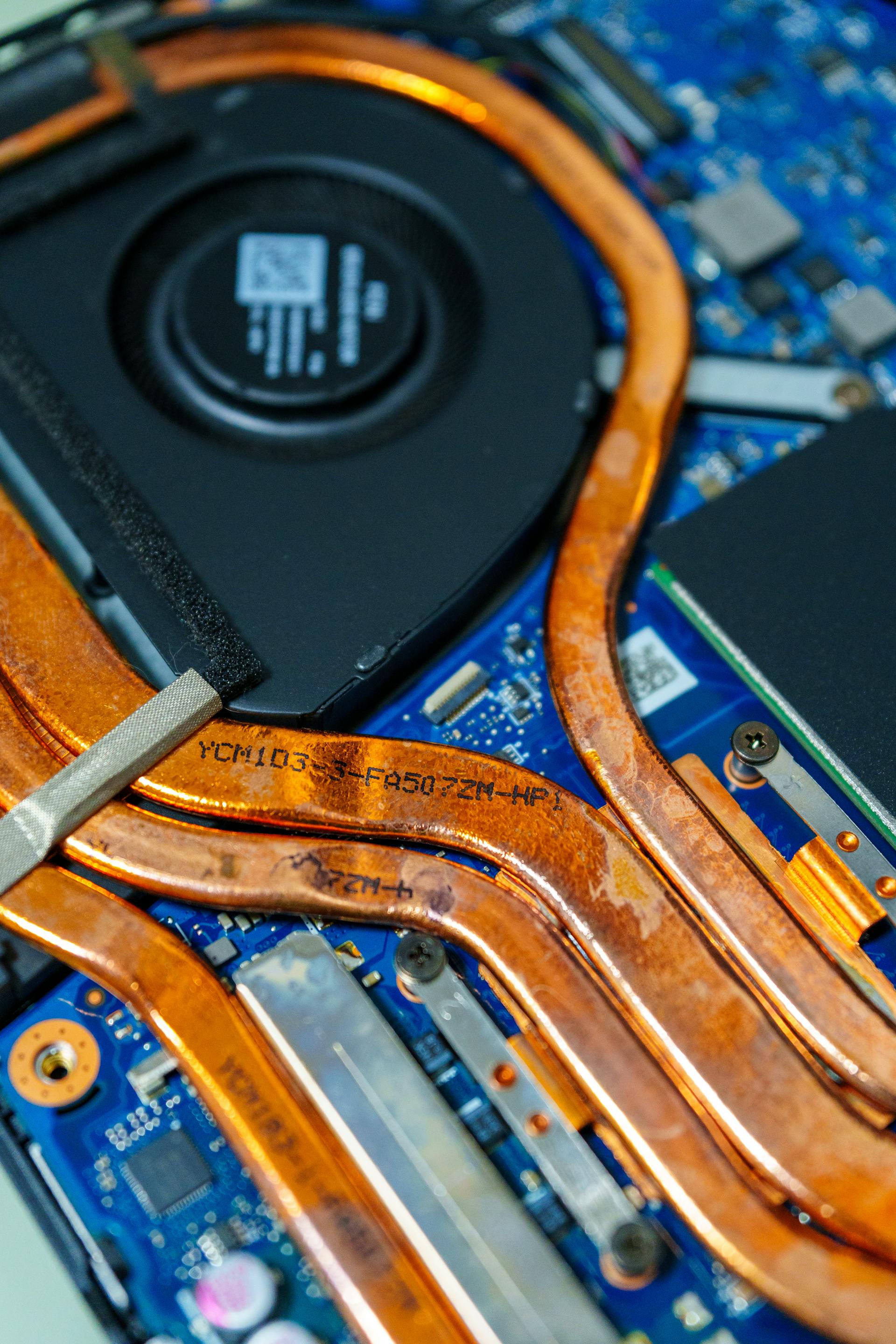

Circul.8 has made it easier for organisations to understand the health of their IT equipment, helping extend the life of devices and reducing unnecessary replacements. In early deployments, it identified thermal issues, failing parts, and performance degradation, allowing maintenance teams to take action early.
Techbuyer has used the success of Circul.8 to expand its position in the sustainable IT market, joining major public sector frameworks and increasing its reach. This project has also created opportunities for future development, including AI‑driven predictions about when a device will need attention, and tools that help users care for their laptops more effectively.
This KTP project has also identified opportunities for the development of additional services that Techbuyer could add to their business offering. Including the potential for AI‑driven tools that can predict when a device will need attention, and tools that help users care for their laptops more effectively.
Astrid Wynne, Head of Sustainability, AI & Automation for Techbuyer said: “We are always looking at ways to help our customers do more with less without compromising performance. This project showed an evidence-based approach that customers can use with laptops. It helps cascade assets, extend product life and begins the process of predictive maintenance. We have shared this with other sustainably-minded companies and with the Government Digital Sustainability Alliance.”
It has helped prove the case for circular business practice, which supports our core messaging and position as a leading sustainable enterprise solutions providerAstrid Wynne
Head of Sustainability, AI & Automation for Techbuyer