

Are you interested in the natural processes that shape our planet?
Our Geology degree combines hands-on fieldwork, laboratory analysis and real-world industry skills to prepare you for a career tackling challenges from natural hazards to sustainable resources and environmental change.
At Hull, you’ll learn beyond the classroom through hands-on field trips and practical experiences that prepare you to understand and tackle the challenges facing our changing planet.

100% of students
in work or further study 18 months after graduating
HESA Graduate Outcomes, 2026

Joint 1st in the UK
for Graduate Prospects: Outcomes
The Complete University Guide, 2027
Joint 6th in the UK
for Graduate Prospects: On Track
The Complete University Guide, 2027

Boost your CV
with a placement or by studying abroad

Taught by experts
who are leading researchers

Core field trips included
in your tuition

Integrated Masters option
with combined Undergraduate and Postgraduate level study
About this course
Understanding the forces that shape our planet, and how we can manage its resources responsibly, is vital to building a more sustainable future.
Geology at Hull gives you a broad understanding of Earth systems, from tectonic activity and environmental change to natural hazards, energy and resources. You’ll develop practical skills in geological investigation, fieldwork, laboratory analysis and environmental reconstruction while exploring how geology connects with subjects including Geography, Environmental Science and Civil Engineering.
Learning by doing is at the heart of our Geology degree. You'll gain hands-on experience in laboratories and out in the field through activities that reflect the work of professional geologists, including residential field trips in the UK and Europe where you can study geological processes first-hand.
Along the way, you'll be taught by internationally recognised geologists with industry and research experience who take the time to get to know you personally. Their support will help you build the knowledge, confidence and career-ready skills needed to tackle the challenges facing our dynamic planet. As your interests develop, particularly in your final year, you'll be able to tailor your studies through a choice of optional modules, focusing on the areas of geology that inspire you and align with your career ambitions.
Tackle some of the planet's greatest challenges
Module options
Each year, you’ll study modules worth a certain number of credits, and you need 120 credits per year. Most modules are 20 credits – so you’ll study six modules each year. Some longer modules, such as a dissertation, are worth more. In these cases, you’ll study fewer modules - but the number of credits will always add up to 120. Some modules are compulsory, some are optional, so you can build a course that’s right for you.
No filters selected
Planet Earth
Develop an understanding of the Earth as a planet – the atmosphere and oceans working together to create global patterns of climate and ocean circulation; plate tectonics and the movement of continents; living systems evolving over time and forming the global biosphere; and the surface processes of accumulation and erosion shaping the landscapes around us. The module will help you to see how ideas in physical geography can be used to understand patterns observed in the natural environment at a global and continental scale.
compulsory
20 credits
Exploring Worlds Around Us
You’ll find out about many different ways of studying the world around us by exploring a specific field trip location.
compulsory
20 credits
Rocks, Minerals and Fossils
Learn how Earth works by getting hands on with rocks, minerals and fossils in the lab and in the great outdoors in spectacular geological locations. By the end of the module you will be able to explain the origins of rocks, minerals and fossils and interpret the various geological environments that they represent, on ancient Earth’s surface and in its interior.
compulsory
20 credits
Interpreting Environments
This module introduces you to some key tools we use to interpret the environments around us, such as computer mapping and data analysis.
compulsory
20 credits
Environmental Problems and Solutions
Discover the fundamental principles of environmental systems and the interconnectedness of humankind with the environment.
compulsory
20 credits
Earth in 3D
How does Earth actually work under your feet? Find out what rocks do inside the Earth’s, and why that is important for a whole range of industries. Learn how to analyse and interpret subsurface features in order to understand how Earth works in 3D.
compulsory
20 credits
Geoscience Field Skills
Develop the practical skills to investigate rocks, landscapes and environmental systems. You’ll learn the fundamentals of geology and how laboratory experiments and fieldwork can help us understand how the Earth works.
Explore structural geology, including how rocks deform and how Earth processes shape the environment. You’ll combine laboratory techniques with essential field skills, including map reading, measurement and scientific data collection.
Put your skills into practice during a six-day overseas field trip, where you’ll investigate rock formations and collect field data. You’ll then analyse and present your findings in a professional report.
compulsory
20 credits
Geographic Information Systems
he fourth industrial revolution is underway: finding, downloading, transforming and visualising data are key skills for graduates in the environmental sciences. This module introduces students to key concepts about spatial data and gives a hands-on practical course in using industry-leading GIS software to produce report-quality maps and to present spatial data analysis.
compulsory
20 credits
Earth Surface Processes
Discover what sedimentary rocks can reveal about Earth’s changing environments, climates and life through time. You’ll learn how to reconstruct past environments and understand the processes that have shaped the planet.
Examine the factors that control sedimentary systems and how climate, ecosystems and Earth surface processes interact over geological timescales. You’ll explore case studies including ancient reefs, delta systems, climate cycles and mass extinction events.
Through laboratory sessions and a two-day field trip, you’ll learn how to collect, record and interpret sedimentary data, analyse rock samples and investigate past environments using standard geological techniques.
compulsory
20 credits
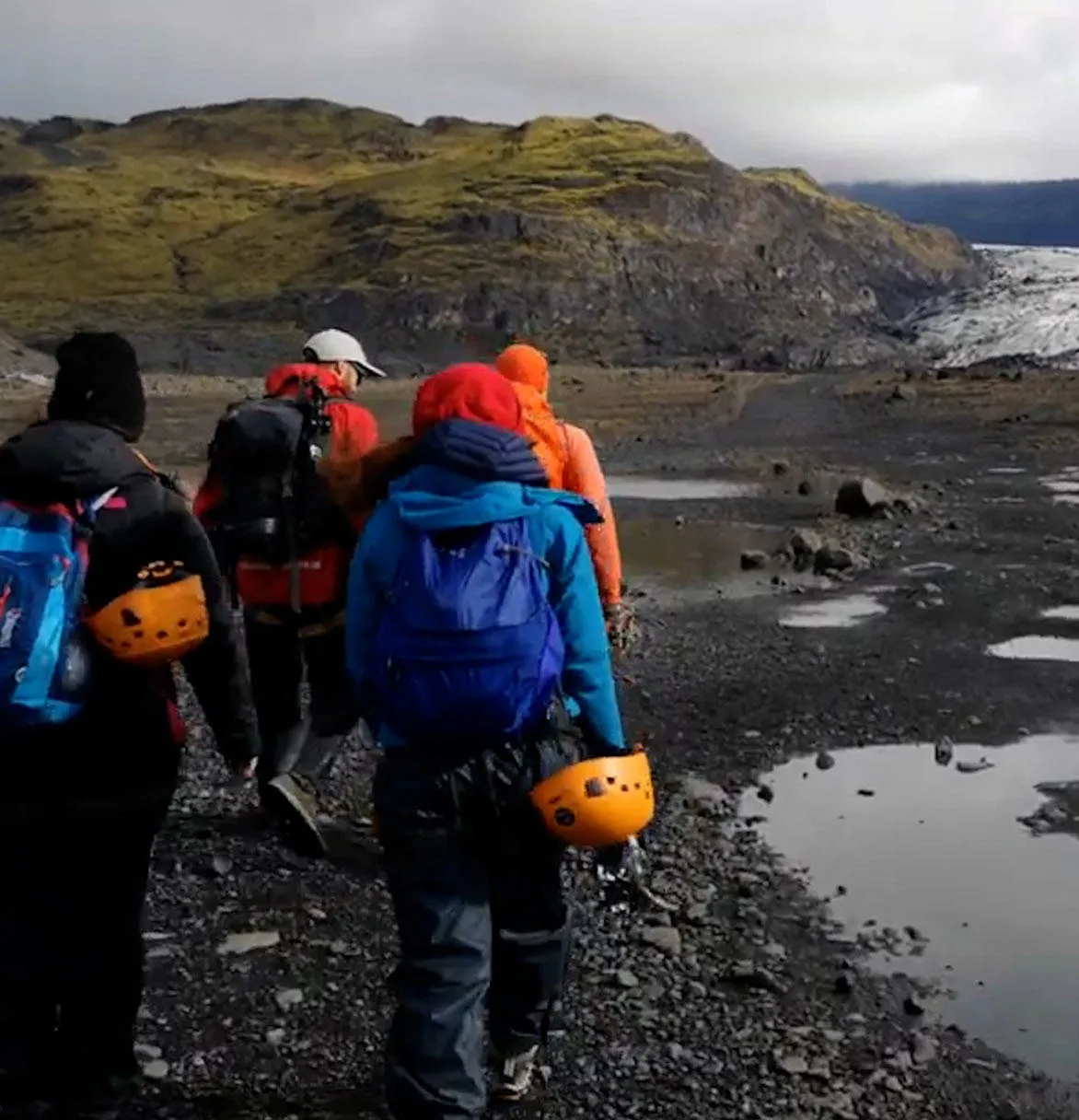
Ready to get your hands dirty? Let’s dig in.
 Featured module
- compulsory
- 20 credits
Develop the practical skills to investigate rocks, landscapes and environmental systems. You’ll learn the fundamentals of geology and how laboratory experiments and fieldwork can help us understand how the Earth works.
Explore structural geology, including how rocks deform and how Earth processes shape the environment. You’ll combine laboratory techniques with essential field skills, including map reading, measurement and scientific data collection.
Put your skills into practice during a six-day overseas field trip, where you’ll investigate rock formations and collect field data. You’ll then analyse and present your findings in a professional report.
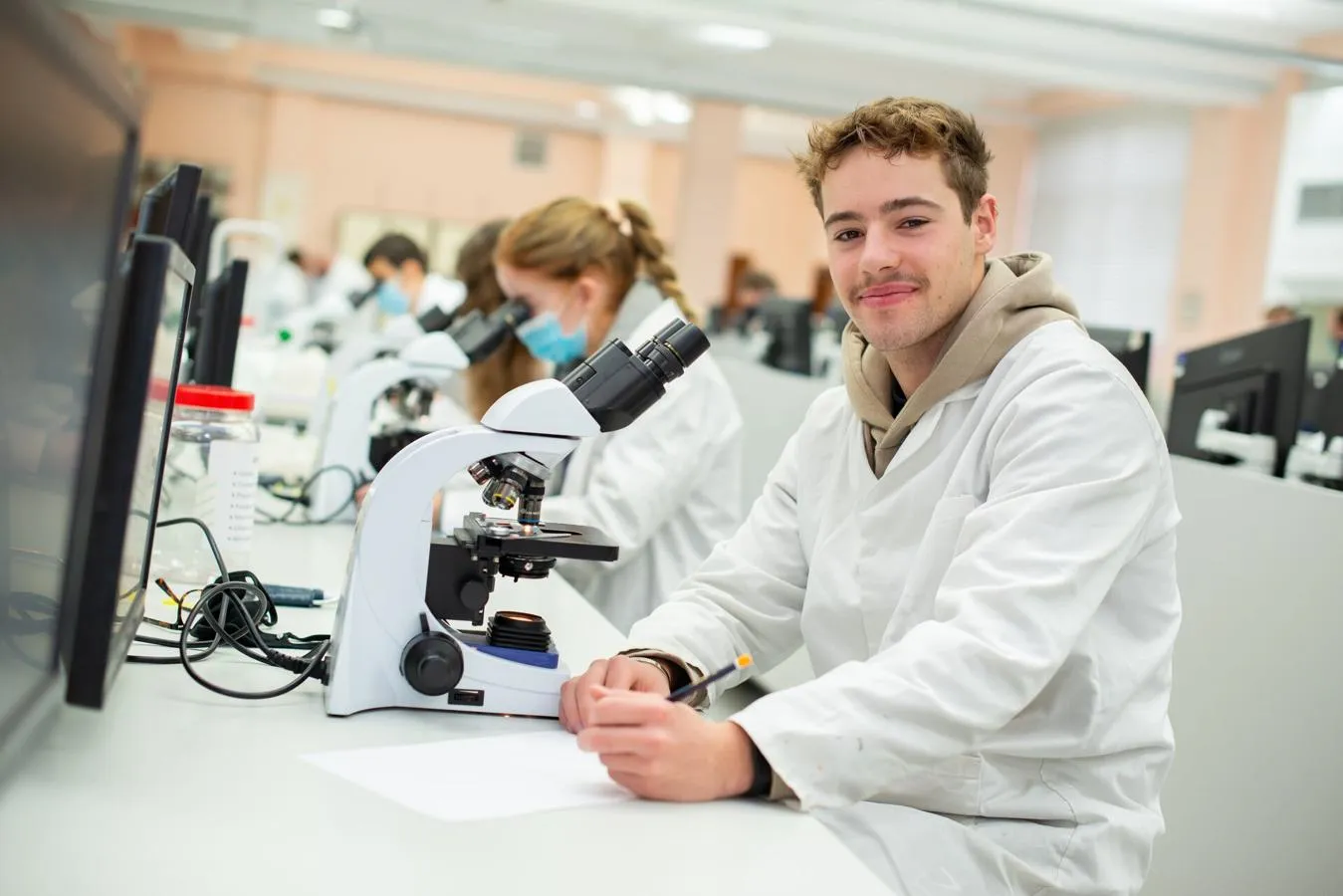
Our facilities
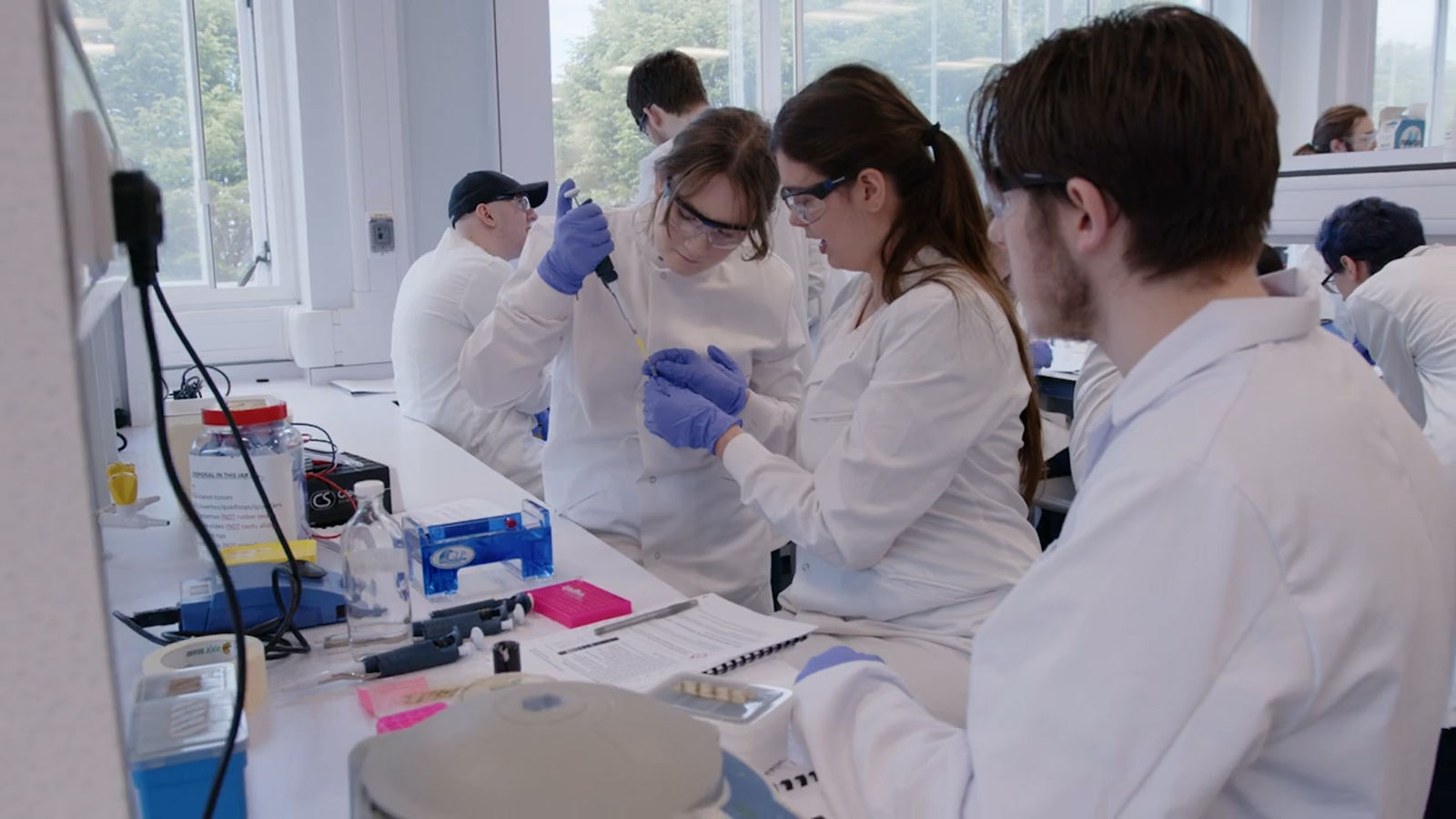
Watchlist
Dr Anna Bird
Course overview
2 mins
Almeira field trip
Course Highlight
10 mins
Teaching Facilities
University life
2 mins
Featured academics
Our staff are at the forefront of research with connections to policy makers and industries that can drive real change.
They’re out studying the latest solutions to climate change, geological hazards, mass extinctions and volcanism. And they bring this knowledge to you through research-led teaching.

Prof Anna Bird
Professor of Earth Science
Anna is a lecturer in metamorphic geology who also works on Quaternary sediments.
Dr Eddie Dempsey
Senior Lecturer
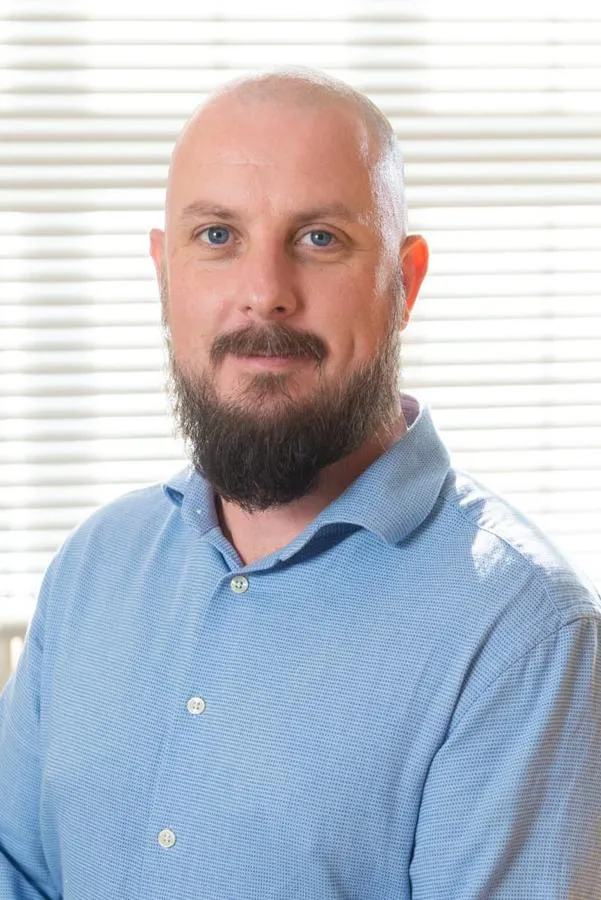
Dr Eddie Dempsey is a senior lecturer in Structural Geology. He uses evidence of deformation in the Earths crust such as faults, folds and fractures to reconstruct tectonic environments and changes to regional stress fields through time.
Entry Requirements
How to apply for this course
At Hull, you're a name, not a number. It's not just about the grades - we'll look at your whole application.
If you're not eligible for direct entry to this course, we may recommend a foundation year as an alternative route to studying for a degree.
To discuss your options, send us an enquiry or call us from 8am on Results Day on 01482 466100.
Every year, hundreds of students join the University of Hull through Clearing for all sorts of reasons and go on to achieve great things. Learn more about Clearing.
Qualification types
We accept a wide range of qualifications and combinations of qualifications, including A levels, BTECs and other accepted qualifications.
We don’t just see what you’re like on paper, we see you. All of you. Your achievements, work experience, music and sport qualifications and the projects you’ve been involved in. We want to hear it all.
Fees & Funding
How much is it?
Future prospects
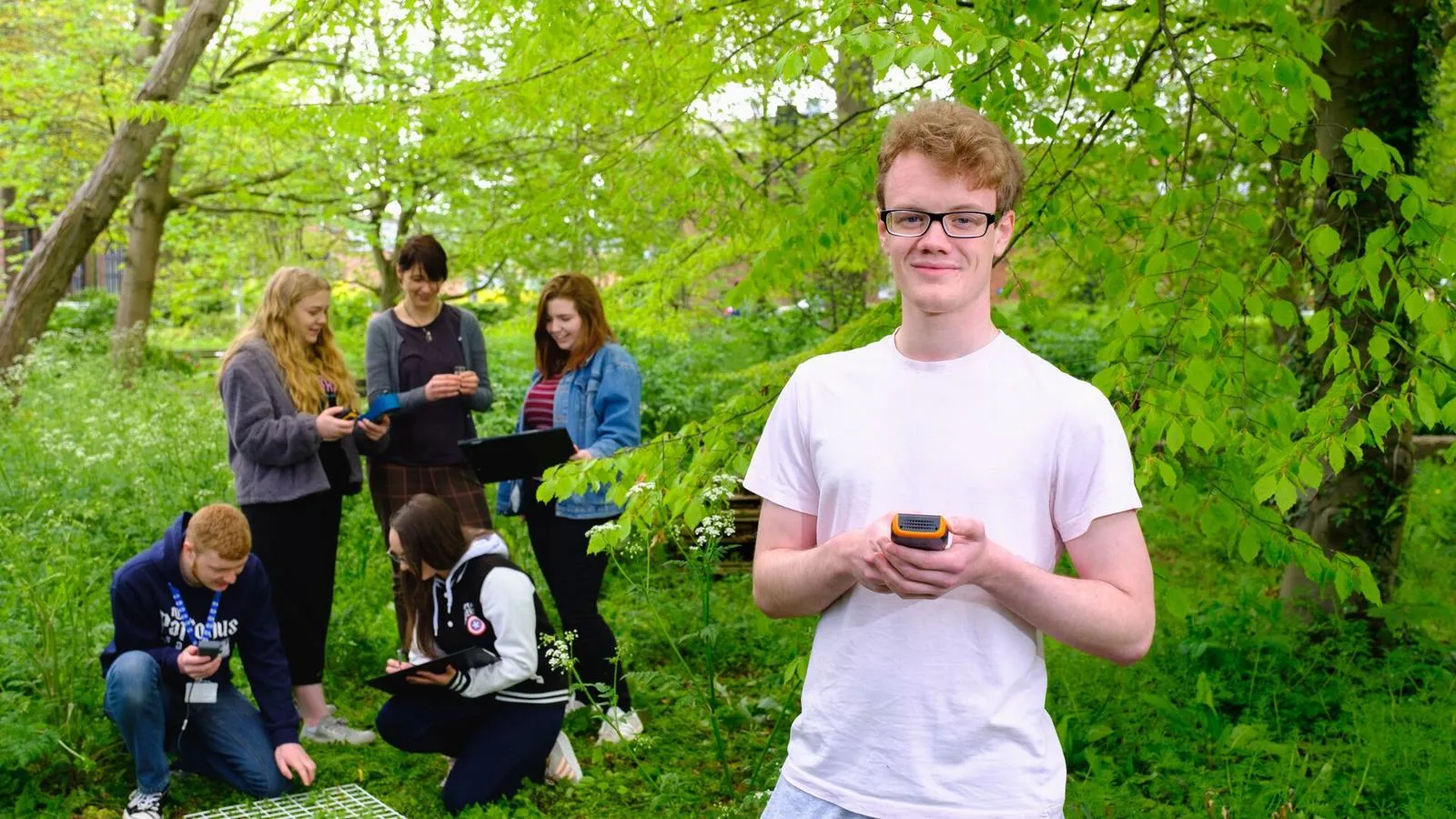
The industry is calling out for graduate geologists like you. With a 100% employability rate, once you graduate, you’ll be qualified to pursue geological careers in environmental consulting, remediation, renewable energies, exploration geology, surveying and engineering, with employers including the likes of the Environment Agency, environment consultancies, local councils or wildlife trusts.
Or you can put the transferable practical, research and numerical skills you’ll develop to good use in a wholly different way: teaching, finance, data analysis, and more.
The programme is also an ideal platform for further study.
Become part of the next generation of futuremakers
Like what you've seen? Then it's time to apply.
The standard way is to apply through UCAS. This will give you the chance to showcase your skills qualities and passion for the subject, as well as providing us with your academic qualifications.
Not ready to apply yet?
Visit our next Open Day, and see all that the University of Hull has to offer. Talk to our lecturers about your subject, find out what university is really like from our current students, and take a tour of our beautiful campus and amazing facilities.
You may also be interested in...
BSc (Hons) Environmental Science
Undergraduate
Study global issues with environmental experts on our IES-accredited BSc Environmental Science degree at the University of Hull.
F751
BSc (Hons) Geography
Undergraduate
Uncover the dynamic processes allied with human & physical geography with our BSc Geography degree. Apply today to begin developing your new skills.
F800
BA (Hons) Geography
Undergraduate
Get to grips with complex social, economic and political processes with our BA Geography degree course. Apply today to begin developing your understanding.
L700
All modules on this course page are subject to availability and this list may change at any time. All field trips on this course page are indicative and locations may change at any time.