 Available in Clearing


Stories have the power to inspire, shift perspectives, and drive action. An English Literature degree shows how stories can influence public opinion and address current political, social, and environmental challenges.
English Literature at the University of Hull stands out for encouraging and supporting your unique understanding of your own and others' cultures.
Taught by published authors in a region with a rich literary history. Renowned authors Andrew Marvell, Philip Larkin, Stevie Smith, Tom Paulin, J.R.R. Tolkien, and Winifred Holtby all have ties to both the University and the city.

Joint 3rd in the UK
for Value Added Score
The Guardian University Rankings, 2026
2nd in the UK
for Student Voice
National Student Survey (NSS) 2026, HEIs only
6th in the UK
for Learning Opportunities
National Student Survey (NSS) 2026, HEIs only

Published writers
and scholars teach on this course

Access to Rare Books Collection
including titles published between 1473 and 2002

90+ years of teaching English
since 1928

Literary heritage
in "England's most poetic city"

Join a thriving
writing community
About this course
Your passion for reading is at the heart of BA English Literature at the University of Hull. We encourage you to value your own lived experiences and connect them with those from diverse cultures and periods.
You’ll study contemporary and international writing and its links to past – and imaginary future – narratives.
You’ll explore modules such as ‘Emotional and Artificial Intelligence’, ‘Banned Books: Literature on Trial’, ‘Literary Lovers’, ‘Terror, Horror and the Gothic’, ‘Cults, Conspiracies and Criminal Worlds’ and more.
We explore 'texts' from manuscripts to printed works, from performances on stage to films and digital media. You’ll be encouraged to engage with non-fiction forms, such as auto-biographies and memoirs, and work with public audiences, shaping how they experience and interact with literature in various settings.
With a range of modules, you’ll be able to follow your passions to create a personalised academic experience.
Hull’s vibrant literary scene offers numerous chances to showcase your unique voice. Join thriving societies and connect with top authors. Additionally, you can design, edit, and publish work with our in-house magazines, Document 1 and Torchfire.
Travel the world from your reading chair
Foundation year
A foundation year at the University of Hull gives you a solid grounding of knowledge and boosts your academic skills, so you can progress on to your chosen programme with confidence.
The foundation course you enrol on may not be an exact match to your chosen degree, but don’t worry. Our foundation courses combine content from multiple related courses in the same subject area, giving you more flexibility and choice about the degree path you take.
For example, if you apply for a Music Foundation Year, you’ll join our Media Foundation course. So, if you decide to switch - say, from Music to Graphic Design - you can do so without restarting your foundation year.
Module options
Each year, you’ll study modules worth a certain number of credits, and you need 120 credits per year. Most modules are 20 credits – so you’ll study six modules each year. Some longer modules, such as a dissertation, are worth more. In these cases, you’ll study fewer modules - but the number of credits will always add up to 120. Some modules are compulsory, some are optional, so you can build a course that’s right for you.
No filters selected
Preparing for Learning in Higher Education
This module is designed to give you the best possible start to your university studies, making sure you have all the essential skills you need to succeed. Through lectures and workshops we will teach you how to write in an academic style, how to find quality sources, and how to reference work, culminating in writing up a mini-research project.
core
20 credits
Introduction to Study in the Humanities
This module equips you with a suite of analytical and theoretical tools to support you as you progress along your academic journey. You'll develop an interdisciplinary understanding of approaches to study in the humanities by working with a variety of resources, including novels, films and aspects of the visual arts.
core
20 credits
Research in the Humanities, Social Sciences and Education
This module will equip you with the necessary skills to conduct and analyse research in a specific interest, supported by academics within your subject. You'll navigate through the research process, from identifying an area of interest to presenting findings to your peers.
core
20 credits
Group Challenge (Humanities)
Formulate and execute a group led enquiry into texts, cultural artefacts, film, music or dance. You'll explore their topics in groups at supervised workshops and develop questions on the cultural object relates to the living world of human experience, as well as developing your own methods to answer these questions.
compulsory
20 credits
Foundation in Data Analysis
Develop a strong foundation in data collection and analysis. This module will introduce you to qualitative and quantitative data and how to analyse it; the collection of primary and secondary data; the production of high-quality graphics; and report writing.
compulsory
20 credits
Academic Writing Skills
Developing confidence in expression, oral as well as written, is a key feature of this module, which aims to familiarise you with university submission and assessment procedures. This is a clear building block towards your degree programme and places you at a distinct advantage when you move into the following year.
compulsory
20 credits
Emotional and Artificial Intelligence
What makes us human in an age of artificial intelligence? This module explores the fascinating intersection between emotional intelligence and emerging AI technologies.
You’ll gain a practical introduction to using AI tools such as MS Copilot, while analysing contemporary literature and film that question how technology is reshaping our lives, creativity, and identity.
Through exploring empathy, emotion, and human connection, you’ll develop critical, digital, and interpretive skills while reflecting on both the opportunities and challenges AI presents.
Don’t just adapt to the age of AI. Understand it, question it, and explore what it means for the future of humanity.
compulsory
20 credits
Global Voices
Explore global Anglophone poetry’s response to issues like the US Civil Rights Movement and South African Apartheid and gender and identity politics. Study poetry’s spoken forms, including metre, rhyme, and verse types such as sonnets and ballads. Investigate how poets worldwide use these forms to engage with historical and social contexts, challenging and reshaping poetic expectations.
compulsory
20 credits
Just Read
Looking to develop your passion for reading? In this module, you’ll get the chance to work with tutors to create a personalised reading list, exploring texts that challenge and inspire you.
By analysing these texts and their historical contexts, you’ll improve your reading skills, deepen your understanding of literature, and enhance your critical awareness, while preparing for more complex concepts to come.
If you're ready to reconnect with literature and build the skills to thrive, this module is made for you.
compulsory
20 credits
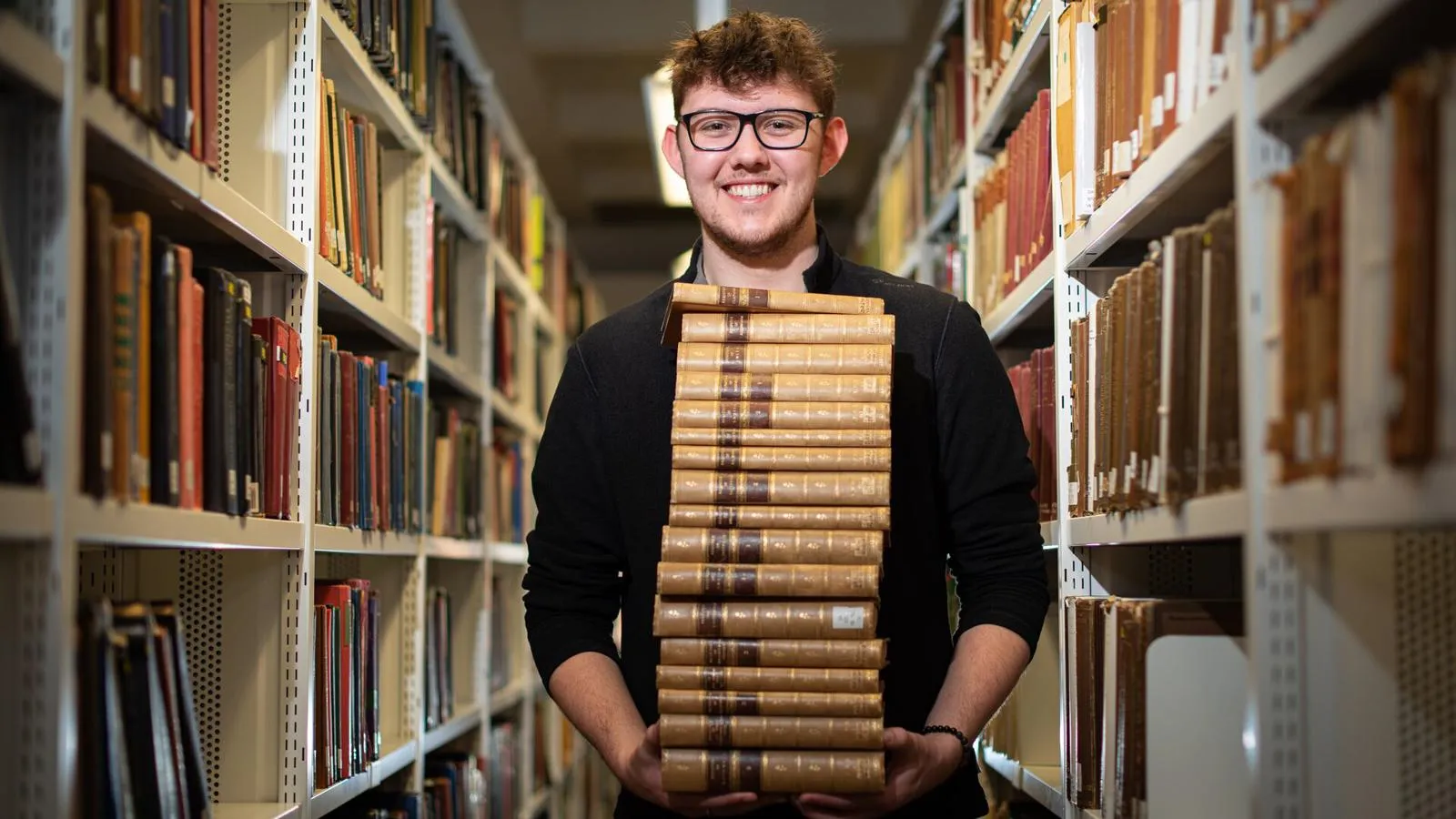
Who decides the must-read books? You do.
 Featured module
- compulsory
- 20 credits
Looking to develop your passion for reading? In this module, you’ll get the chance to work with tutors to create a personalised reading list, exploring texts that challenge and inspire you.
By analysing these texts and their historical contexts, you’ll improve your reading skills, deepen your understanding of literature, and enhance your critical awareness, while preparing for more complex concepts to come.
If you're ready to reconnect with literature and build the skills to thrive, this module is made for you.
Our facilities
Watchlist
BA English Literature
Course overview
2 mins
Life on campus
University life
2 mins
Your course in their words
Student Story
2 mins
Featured academics
You’re taught by internationally renowned scholars, published poets, fiction writers, and scriptwriters. People who bring their expertise, creativity and passion into everything you learn.
We’re part of the Larkin Centre research group. In REF 2021, 93% of our research was ranked world-leading or internationally excellent.1
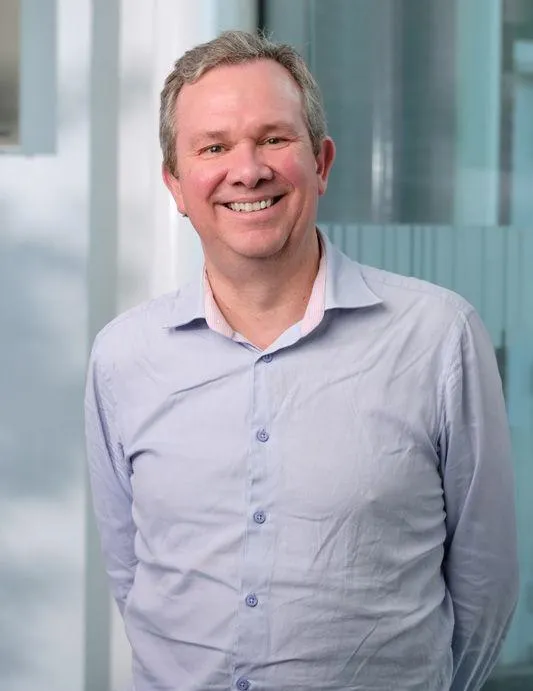
Jason Lawrence
Senior Lecturer
Dr Jason Lawrence is a senior lecturer in English Literature, with multiple published works and a primary area of research surrounding the literary and cultural relationships between Italy and England in the Renaissance period and beyond.
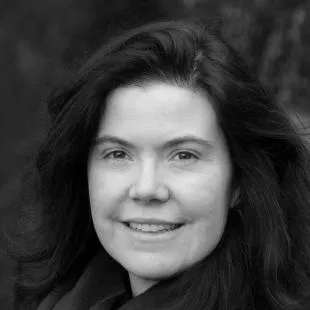
Dr Catherine Wynne
Reader in Victorian and Early Twentieth-Century Literature and Visual Cultures
Catherine has contributed to TV and radio programmes on Bram Stoker and Arthur Conan Doyle for Channel 4, BBC TV, BBC radio, and Irish Radio. She was also a guest expert on Bram Stoker at a British Library event.
Entry Requirements
What do I need?
At Hull, you're a name, not a number. It's not just about the grades - we'll look at your whole application.
If you're not eligible for direct entry to this course, we may recommend a foundation year as an alternative route to studying for a degree.
To discuss your options, send us an enquiry or call us from 8am on Results Day on 01482 466100.
Every year, hundreds of students join the University of Hull through Clearing for all sorts of reasons and go on to achieve great things. Learn more about Clearing.
Qualification types
We accept a wide range of qualifications and combinations of qualifications, including A levels, BTECs and other accepted qualifications.
We don’t just see what you’re like on paper, we see you. All of you. Your achievements, work experience, music and sport qualifications and the projects you’ve been involved in. We want to hear it all.
Fees & Funding
How much is it?
For UK students, our standard course fee is £9,790 per year. Keep in mind that some courses are longer - for example, spending your third year abroad will make your degree four years in total.
If you choose to study a foundation year as part of your course, the fee is £5,760.
How do I pay for it?
You can take out a tuition fee loan to cover the full cost of your course. Once you’ve successfully applied for this, you don’t need to do anything else – the money is sent straight to us.
You can also take out a maintenance loan of up to £10,544 a year to cover your living costs, depending on your household income.
Remember, you won’t start paying your loans back until you’ve left university and earn more than £25,000 per year.
See our full fees and funding information for more details and to find out what support we can offer.
Foundation Year Fee
£5,760
Standard Tuition Fee
£9,790 / year
The amount you pay may increase each year, in line with inflation - but capped to the Retail Price Index.
Future prospects
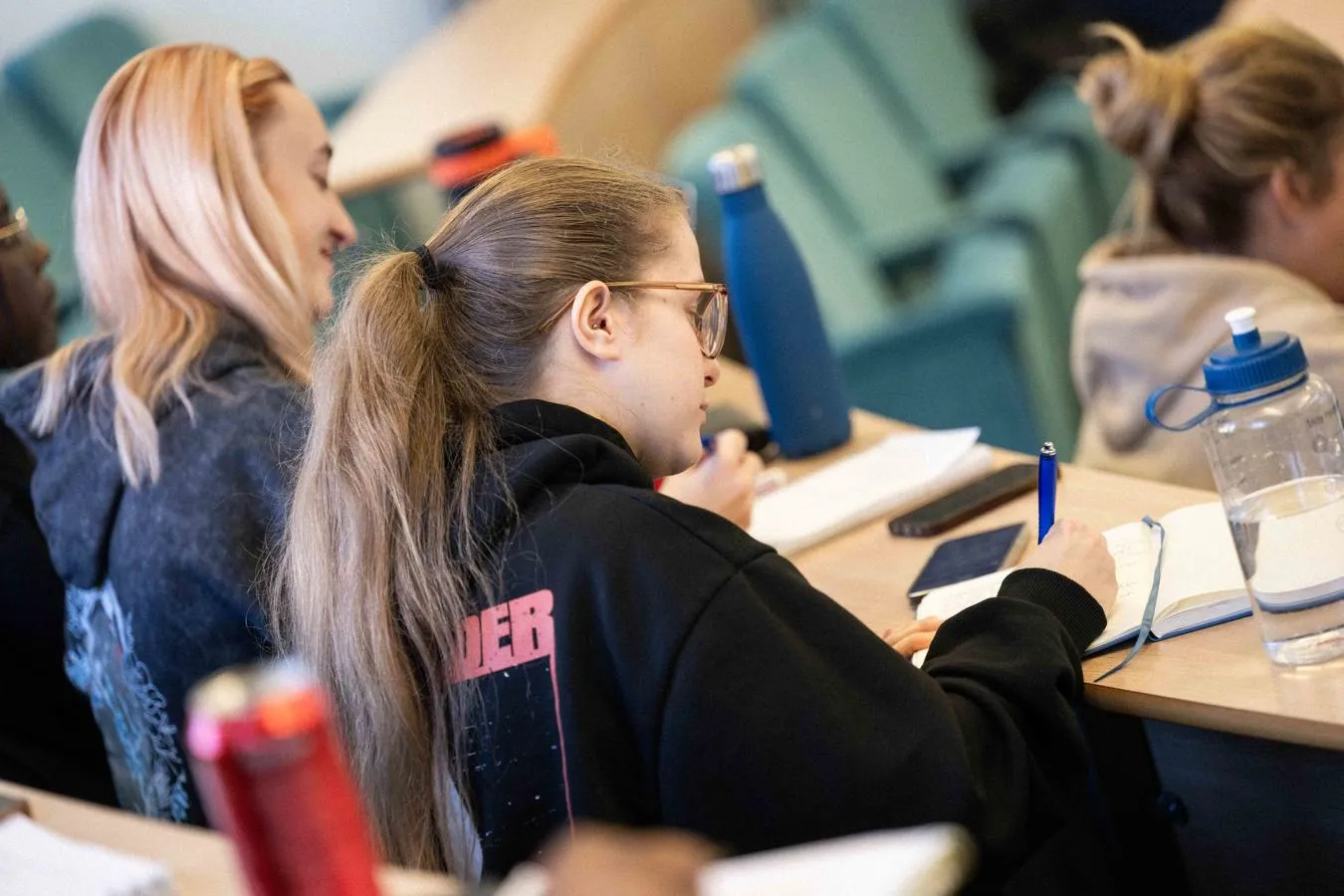
Our English Literature programme offers a range of complex and stimulating challenges. You will improve your ability to read, analyse, and engage in discussions about literary works that resonate with your interests. A degree in English Literature provides you with essential skills for interpreting and analysing complex issues, which are valuable across numerous career paths.
You will develop a deep understanding of culture and the world around you, while also enhancing your communication skills, enabling you to produce impactful writing applicable to various professions, including:
- Journalism / digital media
- PR, marketing, and public communications
- Teaching/Academia
- Speech / bid writing
- Librarian / archivist
Become part of the next generation of futuremakers
Like what you've seen? Then it's time to apply.
The standard way is to apply through UCAS. This will give you the chance to showcase your skills qualities and passion for the subject, as well as providing us with your academic qualifications.
Not ready to apply yet?
Visit our next Open Day, and see all that the University of Hull has to offer. Talk to our lecturers about your subject, find out what university is really like from our current students, and take a tour of our beautiful campus and amazing facilities.
You may also be interested in...
BA (Hons) English
Undergraduate
Our staff are experts in a range of literature from the medieval to the 21st century, providing the flexibility to pursue your passions.
Q300
BA (Hons) Creative Writing and English
Undergraduate
Develop your confidence in writing by moving from building core skills to self-directed longer pieces of writing, while experimenting in different genres.
WQ83
BA (Hons) Creative Writing and Film Studies
Undergraduate
Develop your skills in writing and experimenting in different genres. You'll also look at film as art, history, culture, entertainment and commerce.
WW86
BA (Hons) Games Design and Creative Writing
Undergraduate
Create better games by combining technological, design and storytelling skills on this Games Design and Creative Writing degree at the University of Hull
W295
BA (Hons) Film
Undergraduate
Ideal for those passionate about film, and want to develop a deeper understanding of its history and culture, alongside practical filmmaking experience.
W631
Research Excellence Framework (REF) 2021
All modules presented on this course page are subject to availability and this list may change at any time.