Background
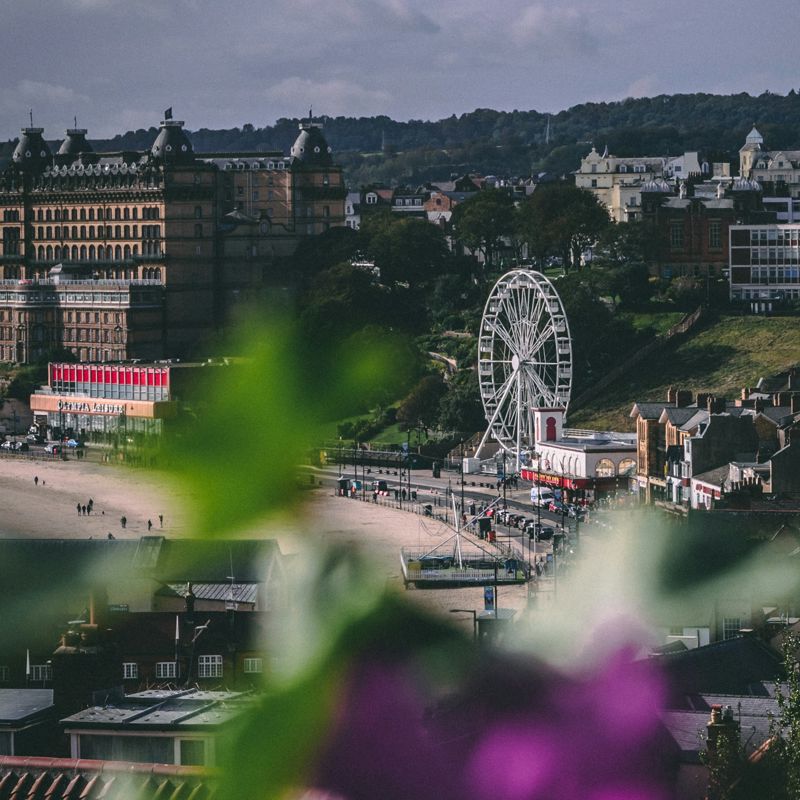
Coastal towns and cities are liminal spaces, defined by the threshold between land and sea and shaped by the interplay between natural and built environments. In northern England, maritime centres such as Hull, Scarborough, and Blackpool have long been defined by their relationship with water. Once vibrant centres of tourism, trade, and industry, many of these places now face social and environmental challenges including economic decline, coastal erosion, and the effects of climate change. Yet their visual and narrative cultures remain powerful expressions of resilience, belonging, and adaptation.
This practice-based PhD explores how creative communication, through design, film, writing, and heritage practice, can document and reimagine the identities of coastal communities in times of transformation. By examining the visual, material, and narrative Signs of the Sea, the project investigates how everyday design and storytelling traditions articulate the ways people live with, remember, and imagine bodies of water.
Method
Drawing on methodologies from graphic design, film, and environmental humanities, the research will combine fieldwork, archival study, and creative production to investigate how coastal culture is visually and narratively expressed. The project will analyse artefacts such as shopfront typography, fairground art, hand-painted signage, photography, filmic imagery, and local storytelling to understand how they construct community identity and memory. These objects and narratives will reveal how proximity to the sea shapes aesthetic practices, local economies, and collective imagination.
Project aims
A core aim is to work collaboratively with local and regional partners, such as museums, archives, heritage organisations, and community groups, to co-create new forms of coastal storytelling. The researcher will engage communities through participatory workshops, oral history, and design-based research to collect and reinterpret materials that reflect their relationship with water. These participatory methods will ensure the project is both academically rigorous and socially grounded, situating creative practice as a tool for engagement, reflection, and resilience.
The practical outcomes of the research will include creative design artefacts, films, and writing that together explore the visual and narrative identities of coastal environments. Through these outputs, the project seeks to balance nostalgia and renewal, acknowledging histories of decline while celebrating creativity, continuity, and change. In doing so, it contributes to debates about place identity, wellbeing, and environmental adaptation within the context of coastal life.
The project will also draw on existing place-based resilience initiatives and environmental humanities frameworks to consider how creative practice can foster sustainable relationships with water. It will explore the symbolic, emotional, and cultural dimensions of living by the sea, how communities understand and respond to flooding, erosion, and regeneration not only as physical processes but as experiences that reshape meaning, memory, and belonging.
Outcome
Through an integrated programme of practice, theory, and community engagement, Signs of the Sea will make an original contribution to understanding how the arts can mediate between culture and environment. It will demonstrate how visual and narrative creativity can inform wider conversations about coastal futures, heritage, and climate resilience.
The research aligns with the aims of the Living Well with Water Doctoral Focal Awards by UK Research and Innovation, which foregrounds interdisciplinary approaches to living sustainably with water. It connects the arts and humanities with environmental and social sciences to explore how creativity can enhance community wellbeing and environmental awareness. The project’s interdisciplinary supervisory team, combining expertise in design, visual culture, literature, and heritage, will ensure that the candidate receives robust guidance across both theoretical and practical dimensions of the work.
In its combination of creative practice, heritage studies, and environmental humanities, the project situates itself within a growing recognition of the role of art and design in addressing ecological and social change. By documenting and reinterpreting coastal visual cultures, it aims to generate new understandings of how communities see, represent, and sustain themselves amid shifting waterscapes.
Ultimately, Signs of the Sea is about more than the preservation of coastal heritage; it is about imagining futures in which culture and environment are intertwined. By engaging with the textural environment, typographies, and coastal life stories, the researcher will create a body of work that not only reflects but also participates in the living culture of the sea. Through this, the project demonstrates how creative practice can help coastal communities live well with water: building resilience, sustaining identity, and shaping new narratives of belonging at the edge of land and sea.