Heads above Water: Representing fishers and fishing culture
Course duration
3.5 years
Writing-up period
None
Study mode
Full time or part time
Fully funded1
UKRI covers tuition and maintenance fees for this PhD at the UK (home) rate
Application date
All applications must be received by Sunday 18 January 2026
Background
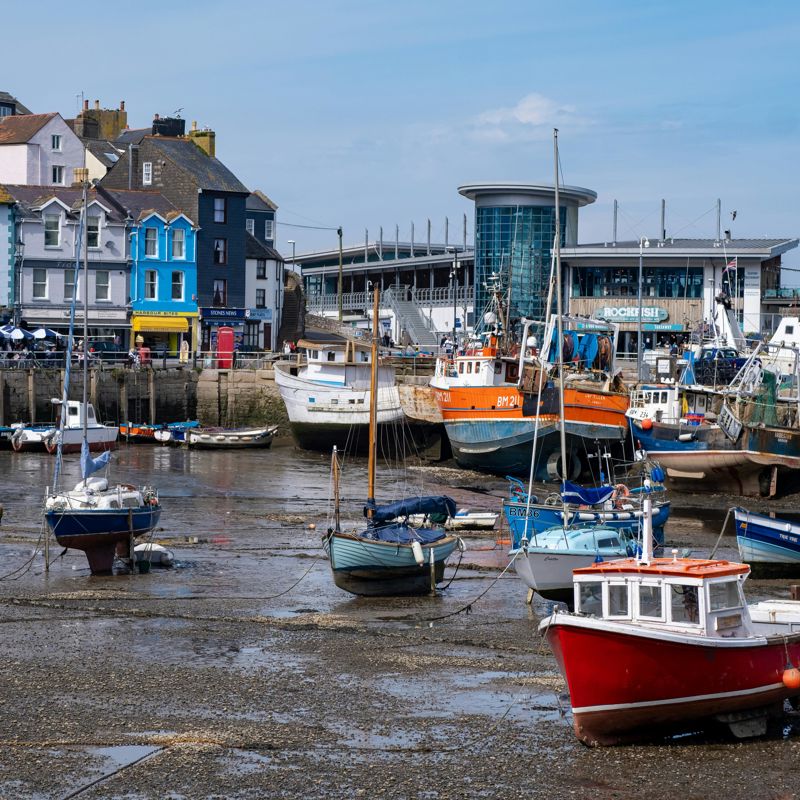
Coastal towns and villages have historically been places of work, pleasure and recuperation; working harbours often occupying a landscape attractive to visitors. But the balance has shifted. Diminishing fish stocks are impacting small-scale fishing (SSF) enterprises in locations which are also seeing a rise in the number of properties bought to let or as second homes.
Project aims
This project aims to explore perceptions of fishermen and women as mediated through literature and other creative practices including art and song. Fictional portraits of the lone grizzled fisherman heroically battling against the elements to secure a harvest using simple and environmentally benign equipment can both positively influence non-specialist sympathies and distort lived realities. Contemporary fishers are as likely to be battling against socio-economic forces that cast aspersions on their lifestyle and force them out of their homes.
The exodus of fishers and related infrastructure is changing the nature of many coastal communities. But reading the world through literature and other creative artforms enables empathy, and this project explores how an understanding of ongoing debates about the management of our fisheries, and the impact this has on communities and cultures can be shaped by storytelling. Reading existing accounts of lives at sea in fiction, poetry or memoir, this project has scope to accentuate new voices and testimonies. Collectively, this work is poised to inform future policies of place: working to reconcile the needs of the fishing communities, tourism, and conservation.

Interested in applying?
This PhD scholarship is part of the AHRC-NERC Living Well with Water Doctoral Focal Awards, a partnership between the Universities of Hull and Liverpool and the National Trust, the Royal Geographical Society (with IBG) and Tate Liverpool. If you successfully apply for this project, you will be based at the University of Hull.
Learn more about how to apply, eligibility, and what funding you’ll receive for a Living Well with Water PhD.
Get in touch
Need some further guidance? We’re here to help.
This opportunity comes with a Home fee waiver only, which will not cover the full International fee. If you are an international applicant, you will therefore need to pay the difference between the Home fee and the International fee and will need to provide evidence that you have sufficient funds to cover this, as no additional funding is available.