Background
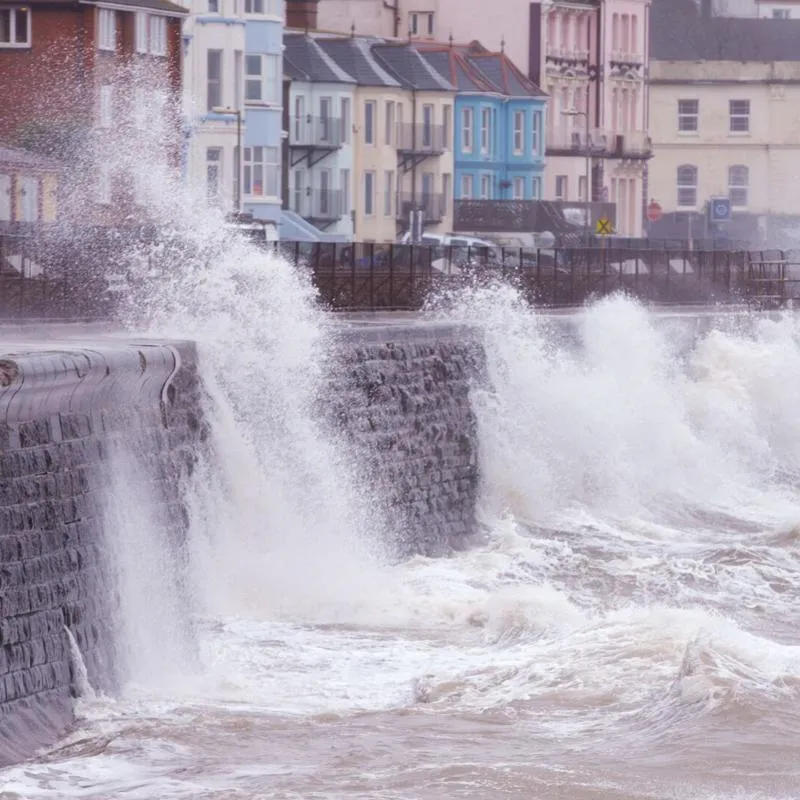
The accelerating impacts of climate change—particularly those related to water, such as flooding, coastal erosion, and rising sea levels—demand new digital solutions that can help scientists, policymakers, and communities visualise environmental change and interact with simulated scenarios spanning the past, present and potential futures. Immersive technologies such as Virtual Reality (VR), Augmented Reality (AR), and eXtended Reality (XR) are revolutionising how spatial and environmental data are explored, offering interactive 3D environments that promote deeper understanding, empathy, and engagement.
Yet, despite these advances, access to high-quality 3D data capture and visualisation systems remains limited by cost, technical expertise, and hardware requirements. Professional 3D scanners, real-time rendering engines, and commercial Digital Twin platforms are often prohibitively expensive or closed-source. This limits their application among smaller research groups, local authorities, and communities—particularly those who could benefit the most from immersive tools for climate adaptation and communication.
Recent advances in digital technologies—particularly Artificial Intelligence (AI), machine learning-based reconstruction, and accessible 3D-scanning algorithms such as Gaussian Splatting and photogrammetry—are dramatically changing the accessibility and affordability of 3D visualisation. These innovations open new possibilities for generating realistic, dynamic, and data-driven Digital Twins that can be explored through XR platforms. This project will build on these technological shifts to design and test sustainable, open-source workflows that support immersive environmental visualisation and wider community engagement.
Aims and objectives
This PhD aims to design, prototype, and evaluate affordable and sustainable 3D scanning-to-XR workflows for representing and simulating climate-related environmental change. The objectives of this project can be outlined as below:
- To explore, identify and test low-cost 3D scanning solutions (e.g. photogrammetry, LiDAR on mobile devices, open-source depth sensing) and integrate them with accessible XR platforms such as WebXR, mobile AR or Standalone XR HMDs.
- To research and develop workflows for AI-assisted 3D reconstruction, texture mapping, other low-cost modelling techniques and interactive environmental data visualisation.
- To work with communities, local councils, and cultural partners within Hull’s Living with Water initiative to co-create immersive storytelling experiences addressing water resilience.
- To assess usability, accessibility, and impact of the developed tools through workshops, user testing, and case studies; investigate and evaluate open-access solutions for academic outputs.
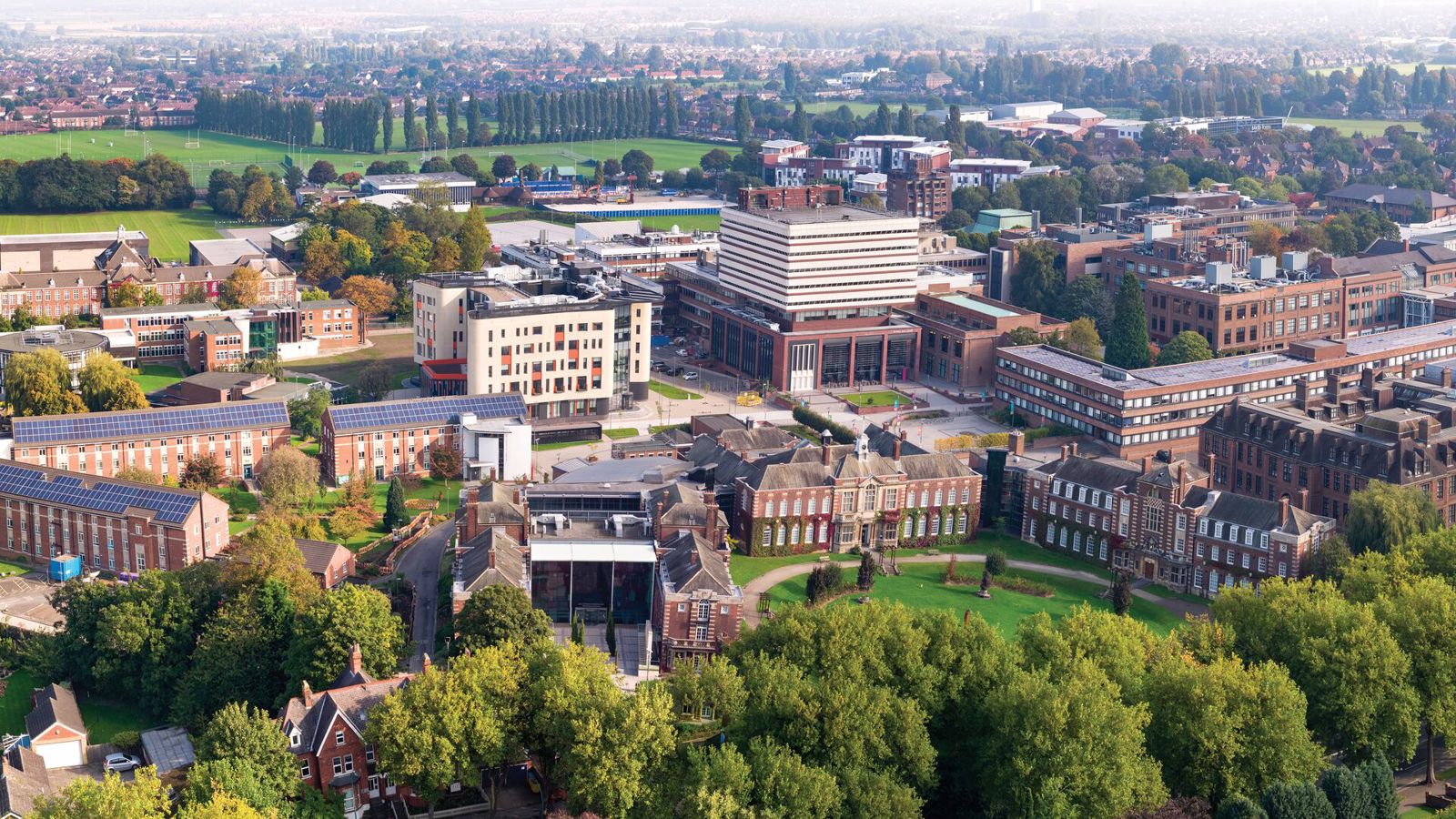
The research adopts a practice-based, interdisciplinary approach that integrates digital creativity, environmental science communication, and participatory design. This PhD sits at the intersection of digital technology, creative practice, and environmental humanities. It advances technological accessibility, interdisciplinary integration and social impact and inclusion. The student will be supervised by Professor Yang Jiang, Professor of Immersive Design and Professor Stewart Mottram, Professor of Literature and Environment. Together, they offer a uniquely interdisciplinary supervisory team linking digital innovation with environmental narrative. The student will be supported by the university's XR Lab and Living Well with Water community, accessing Media Hub equipped with the industry standard Immersive Technology solutions, such as VR & XR HMDs, AR tablets, VR Treadmill, Biometric Suits and high-performance rendering workstations etc. They will also engage with Hull’s Energy and Environment Institute and Living with Water partners, providing a strong regional and applied context.
The research will generate scalable digital solutions for representing and responding to water-related climate issues. The open, affordable XR toolkit and digital workflows investigated and developed through this project could be adopted by wider stakeholders such as schools, museums, environmental communities, and local authorities to engage with diverse audiences. Beyond technological innovation, the project aims to contribute to cultural resilience—helping communities live not in fear of, but in creative dialogue with, water.