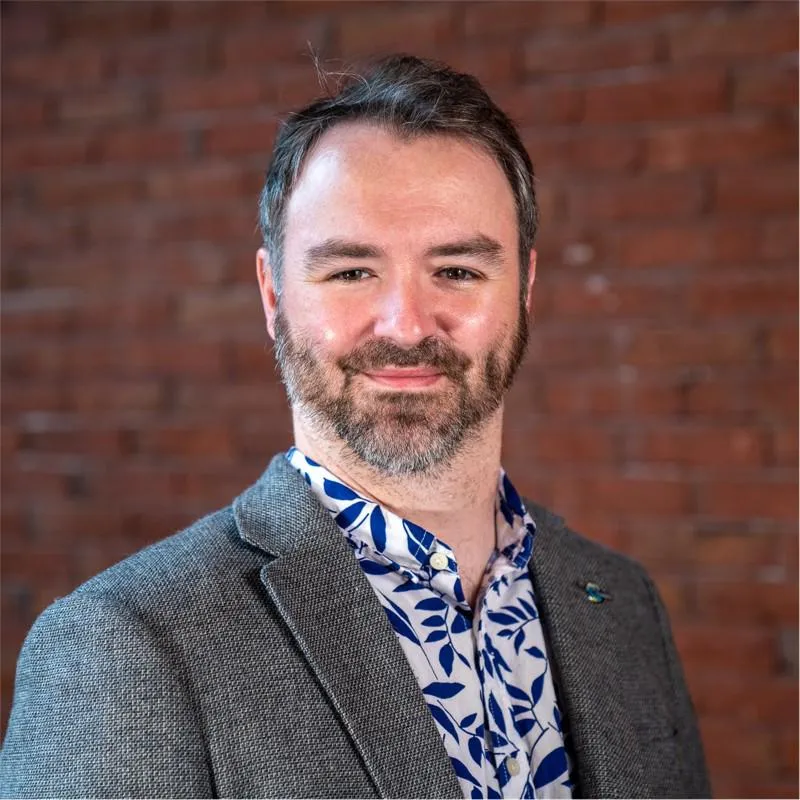
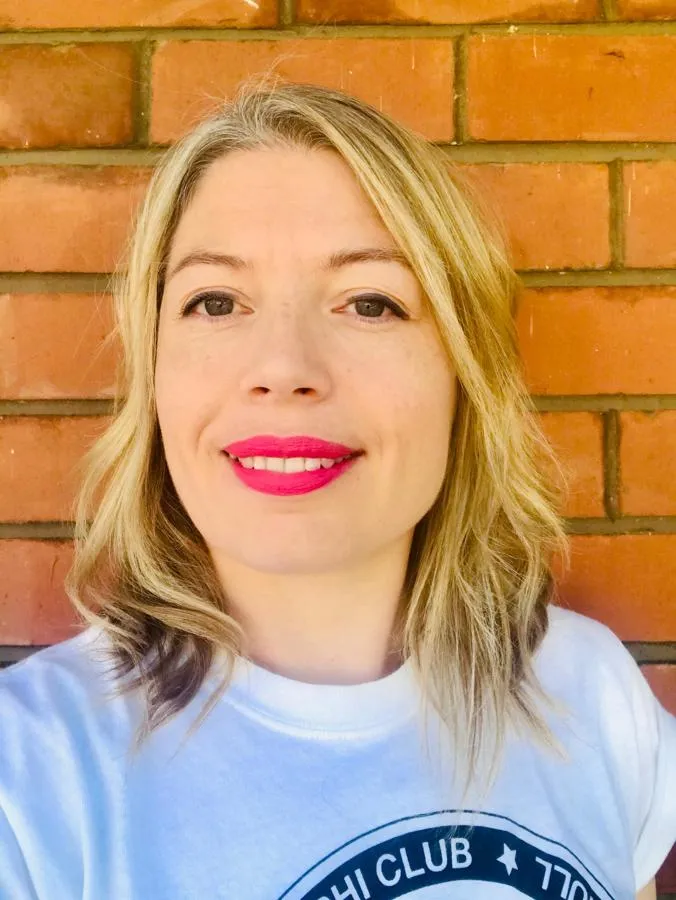
Professor Briony McDonagh
Prof Briony McDonagh is Professor of Environmental Humanities and UK national lead for the COAST-R Network Plus, funded by the UKRI and DEFRA under the Resilient Coastal Communities and Seas Programme. Briony's interdisciplinary background is in human geography and environmental history, and her current work uses place-based, creative and participatory approaches to build water and climate action.
 Faculty of Science and EngineeringEnergy and Environment InstituteEnergy and Environment Institute
About Professor Briony McDonagh
Prof. Briony McDonagh is Professor of Environmental Humanities and Co-Director of the Centre for Water Cultures at the University of Hull. Briony's disciplinary background is in human geography and environmental history, and her current work uses place-based, creative and participatory approaches to build water and climate action. Much of her work is undertaken in partnership with communities experiencing increasing flood risks and/or coastal transition. She leads/co-leads a number of major initiatives in this space.
Briony is UK national lead for the COAST-R Network Plus, funded by the UKRI and DEFRA under the Resilient Coastal Communities and Seas Programme. COAST-R is a national network of academics, UK marine, coastal and government agencies, industry partners, local authorities, voluntary sector and communities most affected by coastal change. Together, they are working to build knowledge, action and resilience for UK coastal communities and seas.
Briony is Director of the Leverhulme Doctoral Scholarships Centre for Water Cultures, whose PGRs are pioneering new, humanities-led, interdisciplinary and transhistorical research area – the ‘green-blue humanities’ – to transform our understanding of humanity's relationships with water in the green-blue regions of the world, past, present and future. She is co-lead of the related AHRC (with NERC) Living Well with Water Doctoral Focal Awards in the Arts and Humanities. These awards will support 39 doctoral studentships between 2026-33 to help build healthier, more water-resilient coastal communities in the face of environmental and climate change.
She was PI of the AHRC-funded Risky Cities project, learning from the past to build climate awareness and flood resilience today and for the future; leads a number of knowledge exchange projects using humanities-led approaches to build flood and coastal resilience; and is involved in the Changing Coasts East Riding project, part of the Defra-funded Flood and Coastal Innovation Programme delivered by the Environment Agency.
Her book, Elite Women and the Agricultural Landscape, 1700–1830 (Routledge, 2017), won the Joan Thirsk Memorial Prize and Women’s History Network Book Prize. She is co-editor of Women and the Land, 1500-1900 (Boydell & Brewer, 2019), Remembering Protest in Britain since 1500 (Palgrave, 2018) and Hull: Culture, History, Place (Liverpool University Press, 2017). She is a fellow of the Royal Geographical Society, Royal Historical Society and Higher Education Academy, and was 2018-2019 President of the British Science Association’s Geography Section.
She has served in a range of university leadership roles, including as Director of the University of Hull's Doctoral College (2020-2023) and Director of the University's Energy and Environment Institute (2022-2024).