Water Memories and Flood Futures
How can we shape a more resilient future? Through community memories of water
Project summary
The Challenge
Grimsby has a long history of flooding from river, tidal and surface water sources, making it essential to engage local communities with climate and flood resilience.
The Approach
Researchers are working with communities to document memories of flooding and explore practical insights through creative activities.
The Outcome
The workshops and exhibitions will help engage communities with climate resilience, helping them plan for future flood risks.
Institutes and centres

Lead academics
Project funded by


Project Partners

Curating community memories to drive flood resilience
We're shaping policy and public engagement by embedding lived experience into future flood planning and decision-making.
The Challenge
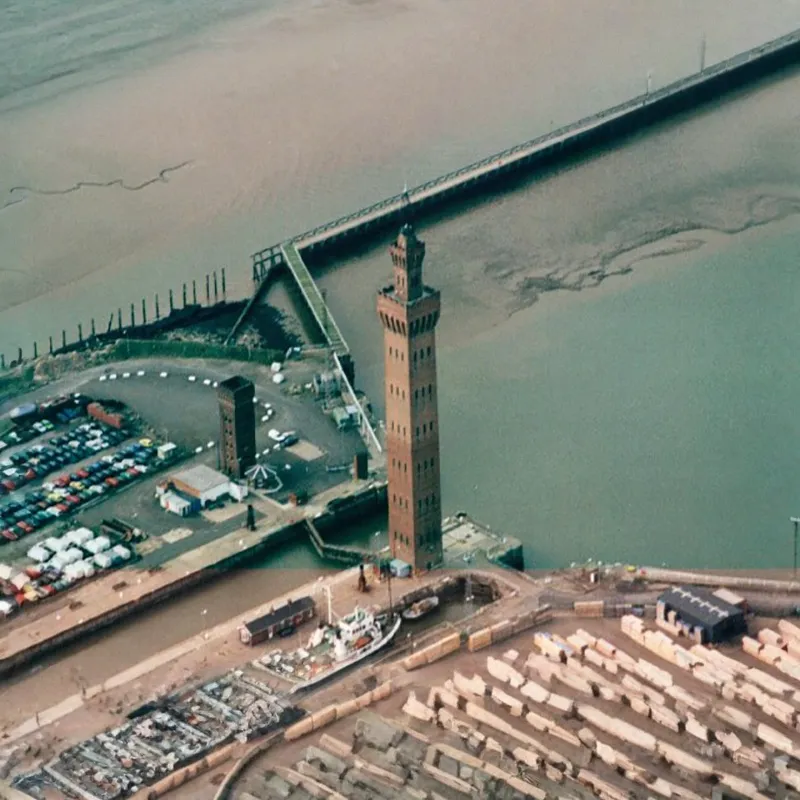
Grimsby is a coastal port town in North East Lincolnshire, situated on the Humber Estuary. The town is subject to multiple flood risks from river, surface water and groundwater flooding, as well as tidal flooding, which can occur from the River Humber overtopping the tidal defences. Notable incidents include the 1953 East Coast floods, the January 1978 North Sea storm surge and the Summer 2007 floods.
Since 2006, the Environment Agency has invested around £20m into the area’s flood defences, including a £19m upgrade along the Humber and at the port of Grimsby, and improvements along the River Freshney, with flows through the heart of Grimsby. Further coastal defence work between Immingham and Grimsby commenced in 2025.

Grimsby experienced surface water flooding on three separate occasions during Summer 2014*
*NE Lincs Council Section 19 Flood Investigation Report, March 2016Hard engineering defences are generally geared towards tidal flood risk and will not prevent all flooding. Climate change is increasing the frequency and intensity of storms, bringing greater risk of surface water and ground water flooding. Community engagement in flood risk is essential to build community resilience.
The Approach
University of Hull researchers are working in partnership with Our Big Picture (OBP), a heritage, arts and community registered charity based in Grimsby.
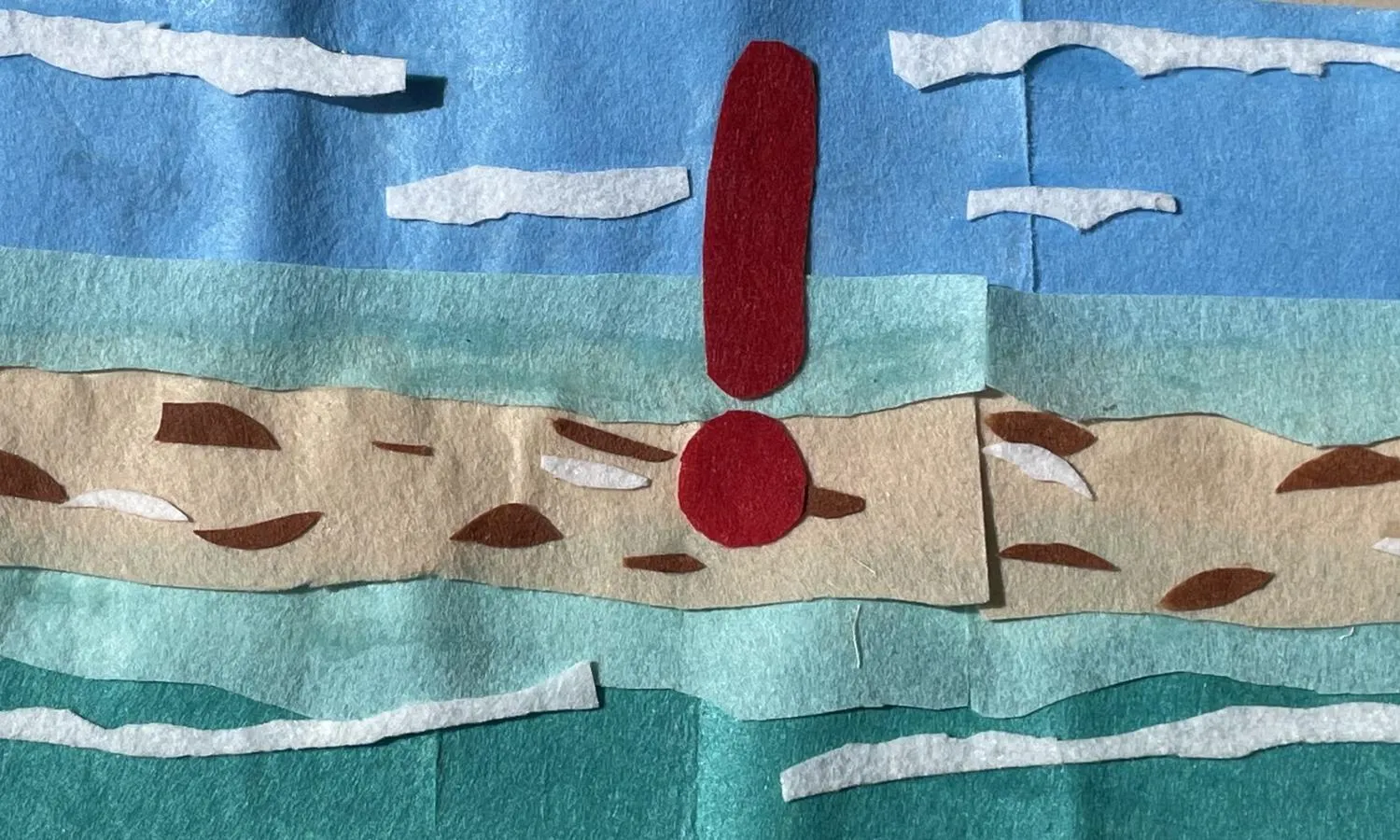
Using a ‘Learning Histories’ approach, first developed by Hull’s Risky Cities team, the project will uncover stories of Grimsby’s flooding and watery landscapes through archival research and oral histories. Those stories will then be used to produce a timeline of local flooding, which will directly inform co-produced 12-week Creative Heritage workshop programmes with two groups of children and young people in Grimsby. At the end of the project, a co-curated exhibition will showcase the participants’ work responding to themes of flood and climate resilience to local audiences in Grimsby and in Hull.
The research team
Dr Hannah Worthen, Project lead
Dr Hannah Connelly, Postdoctoral Research Associate
The Impact
The researchers intend that the arts-based workshops will connect children and young people more deeply with their town and its watery history and heritage and raise awareness of contemporary and future flood risk.
The exhibition will also increase awareness of local environmental heritage and flood risk and generate conversations and action around climate action and flood resilience. The focus on making cities sustainable and taking urgent action against climate change links to UN Sustainable Development Goals 11 and 13 respectively.
Water Memories & Flood Futures exhibition
Our Big Picture, Grimsby
15 - 25 September 2026, open 12:00 - 16:00 on Tuesdays to Fridays
An opportunity to find out how children and young people in Grimsby responding to our research into the story of Grimsby's watery past, and see the artwork they created with artist facilitators.