The Mouth in Scleroderma
Raising awareness and improving care through the Mouth in Scleroderma project
Project summary
The Challenge
Little is known about patients’ experiences of living with the oral and dental problems associated with scleroderma.
The Approach
We conducted research with patients and practitioners about living with and treating the oral and dental problems associated with scleroderma.
The Outcome
We have worked closely with people living with scleroderma to develop resources to help inform patients and practitioners.
Lead academics
Project funded by

Project Partners

Supporting better oral health
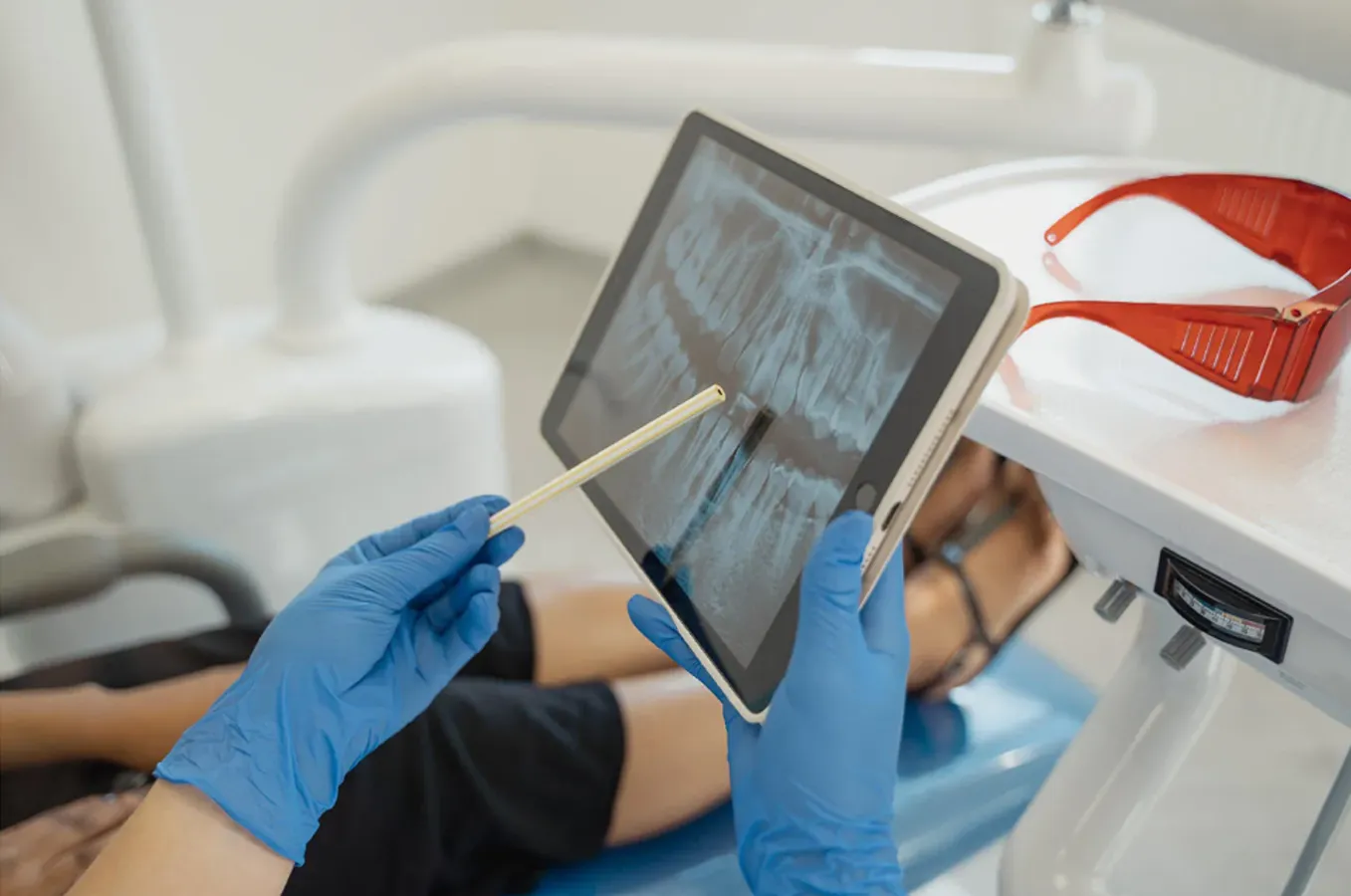
Through our research, we supply information and resources to help patients and practitioners live with and treat the oral and dental problems associated with scleroderma.
The Challenge
"I’ve lost all my teeth through it. My jawbone has splintered, so the bone works its way out through the gums at times. They’ve shrunk through the scleroderma and the Sjogren’s because, obviously, I’ve got no saliva glands."
The Mouth in Scleroderma - Information for Patients
We’ve also produced a folding wallet card for people living with scleroderma to share with their dentists. You can find this here. It will soon be available through the SRUK website.
Scleroderma
There are 2.5 million people worldwide who are diagnosed with scleroderma, including, approximately, 19,000 in the UK. Scleroderma is an auto-immune condition characterised by the production of excess collagen, which leads to fibrosis of the skin and internal organs causing thickening and hardening.
Scleroderma can be experienced very differently depending on the type of scleroderma a person has (localised or systemic). Localised scleroderma mainly affects the skin, whilst systemic scleroderma, also known as systemic sclerosis, (itself split into 2 types – limited and diffuse) has a more widespread impact on the body and may also include internal organ involvement, causing sometimes life-threatening, problems with the heart, lungs, kidneys, the GI tract, and the vascular system – these are the issues that clinicians are most concerned to attend to.
Many people with scleroderma, however, live for many years with the condition which, as time passes, can have a significant impact on the mouth and teeth causing microstomia (limited mouth opening), muscular atrophy, thin lips, xerostomia (dry mouth), oral fibrosis, ulcers, restricted tongue mobility, temporomandibular joint problems, and salivary gland disorders. These issues tend to be overlooked when it comes to the diagnosis and treatment of scleroderma, but they can have a very negative impact on people’s quality of life.
One of the key aims of the project is to understand the perspectives of both patients and practitioners and to try to generate strategies to create more awareness and understanding of the oral and dental problems associated with scleroderma.
The full research team
Professor Liz Walker PI/ Professor of Health and Social Work Research, University of Hull
Dr Tyler Mills Research Associate, University of Hull
Dr Elizabeth Price Senior Lecturer, Social Work, University of Hull
Professor Francesco Del Galdo Professor of Experimental Medicine (consultant). School of Medicine, University of Leeds
Dr Vishal Aggarwal Associate Professor (clinical). School of Dentistry, University of Leeds
The Approach
The study is a partnership between researchers at the University of Hull and the University of Leeds. We have undertaken three online surveys with patients, rheumatologists, and dentists across the UK. In addition, we have undertaken in-depth interviews with patients to better understand their experiences and perspectives.
We have also worked closely with a group of people living with scleroderma to enable us to jointly develop resources for both patients and practitioners. We hope this will help to improve the quality of life of people living with the oral and dental problems associated with scleroderma.
I would have benefited from fewer assumptions about phantom issues and dryness, and better use of X‑rays. Focus on joint and psychological causes meant the bad taste was overlooked. In the end, I was found to have ongoing abscesses and lip dysplasia.
Our findings:
- Sometimes, what’s important to a person living with scleroderma can get missed because clinicians, understandably, are concerned to address the issues that constitute the most risk to the person (such as problems with the heart and the lungs). Our research has demonstrated that problems with the mouth in scleroderma can most directly affect quality of life. Stigma arising from oral manifestations of scleroderma impacts on self-confidence and self-belief.
- Our research has also highlighted the need for better links between rheumatologists and dentists to ensure that people living with scleroderma are consistently supported by the most relevant professionals.
- We hope this research will help to foreground the oral and dental problems associated with scleroderma, ensuring that all the issues that are of importance to patients are validated and addressed by the people supporting them.
The Impact
“My dentist hadn’t heard of scleroderma or the effects, they don’t understand that you can’t open your mouth."
The overall aim of the project is to improve the quality of life of people living with scleroderma. We’ve created information and resources (endorsed by the Oral Health Foundation) which patients have told us are useful in generating more knowledge and awareness of the oral and dental problems associated with scleroderma for themselves and professionals.
We hope the resources the project has generated, jointly with patients, will enable them to be confident in explaining how scleroderma affects their mouth and teeth and in advocating for themselves in the context of their encounters with dentists and rheumatologists. In addition, resources for professionals will help to raise awareness about the wide-ranging impacts of this rare disease.
This research extends beyond the particulars of scleroderma, also being relevant to other long-term conditions, such as rheumatoid arthritis and diabetes, which also have implications for oral health.
If you’d like to know more about scleroderma, Scleroderma and Raynaud’s UK offers a wealth of trusted information. You can find our information video for patients here and the video for dentists here.