From risk to resilience
Strengthening John Lewis Partnership global supply chains against modern slavery
Project summary
The Challenge
The John Lewis Partnership wanted to uncover and understand any systemic issues in their fresh produce supply chains.
The Approach
We employed a comprehensive risk assessment approach, analysing farming, processing and warehousing operations across the whole supply chain in the UK and overseas.
The Outcome
Following our recommendations, Waitrose implemented several practical steps to mitigate risk and increase protection for workers in their supply chains.
Institutes and centres

Lead academics
Project Partners
John Lewis Partnership
Helping John Lewis deliver their commitment to a kinder, fairer future
We helped the John Lewis Partnership reduce risk, safeguard their brand reputation, and reinforce their commitment to ethical trade and human rights.
The Challenge
The Wilberforce Institute worked with the John Lewis Partnership to address risks of slavery in supply chains, both in the UK and overseas.
The company's commitment to tackling modern slavery is influenced by its values as an employee-owned business. It forms part of its broader human rights strategy, through which the leading retailer works to raise labour standards, improve working conditions and create fairly rewarded employment.
Building on its long-established due diligence and risk assessment programmes, the John Lewis Partnership approached the Wilberforce Institute to better understand some of the systemic issues workers can face, specifically in fresh produce supply chains.
The Approach
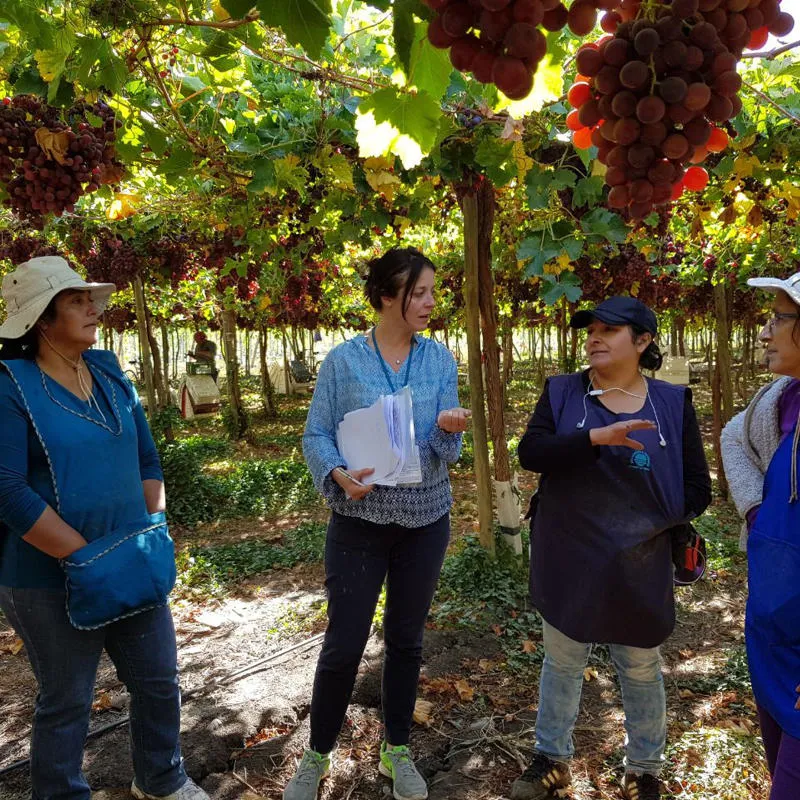
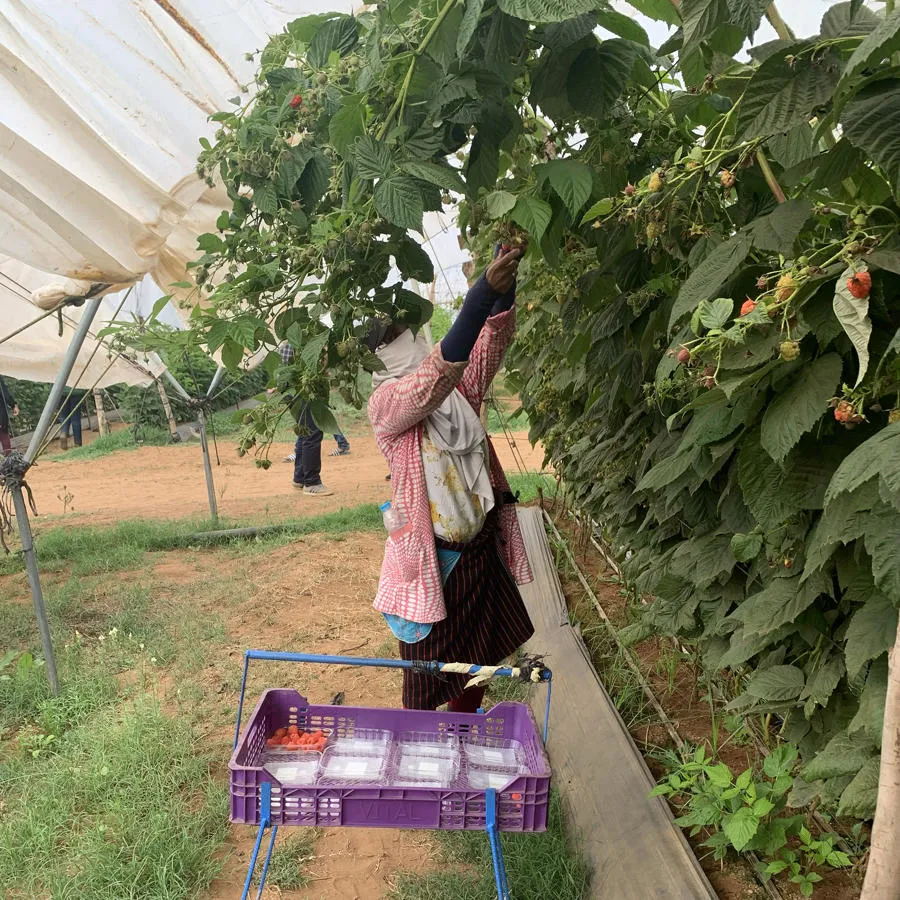
The Wilberforce Institute’s comprehensive approach incorporated analysing not just the processing and manufacturing plants, but the elements involved across the whole supply chain. On-site visual inspections assessed working conditions – and accommodation provision – filtering all the way down to site visits of smallholder farms.
The assessments involved consultation with local and national industry bodies, non-government organisations and Trade Unions to uncover existing labour standards, policies and practices. We completed detailed risk assessments on the ground at 37 sites across the UK, Spain, Italy, Peru and Chile that supply fresh produce to Waitrose
The approach included:
- Sharing findings with suppliers and external stakeholders.
- Delivering training to Waitrose suppliers. The training would enable staff to identify risks, implement solutions and understand better ways to engage with suppliers.
The Impact
We are using the insights from the Wilberforce Institute to help drive more improvements in our supply chains and beyond - sharing findings with suppliers and raising awareness of best practice.Sam Ludlow Taylor
Ethical Trade Manager, Waitrose
Waitrose sources fresh produce from over 2,000 growers around the world. These growers often rely on migrant and seasonal workers at peak times of the year. By working with the Wilberforce Institute, Waitrose was able to identify risks arising from informal recruitment in seasonal supply chains, raise awareness of risks associated with labour providers and help improve and enhance management practices.
As a result, Waitrose has implemented several practical steps to mitigate the risks of slavery and increase protection for workers in their supply chains. These include ensuring working conditions are effectively managed, strengthening personnel processes and improving systems to raise awareness and identify risks of modern slavery.

Access our modern slavery expertise
Share your research challenge today with our Knowledge Exchange team.