From years to days, film highlights life-changing endometriosis research
Women with endometriosis are waiting more than nine years for a diagnosis, according to new figures from Endometriosis UK.
Affecting 1.5m women in the UK, endometriosis occurs when tissue similar to that growing in the womb’s lining grows elsewhere in the body. The condition can cause severe pain and damage, yet it is still too often dismissed as just ‘bad periods’ leaving women without answers or treatment.
Now a new film spotlights pioneering University of Hull research that could change the way the condition is diagnosed, drastically reducing waiting times from years to days, and offering hope to millions of women who live with debilitating pain.
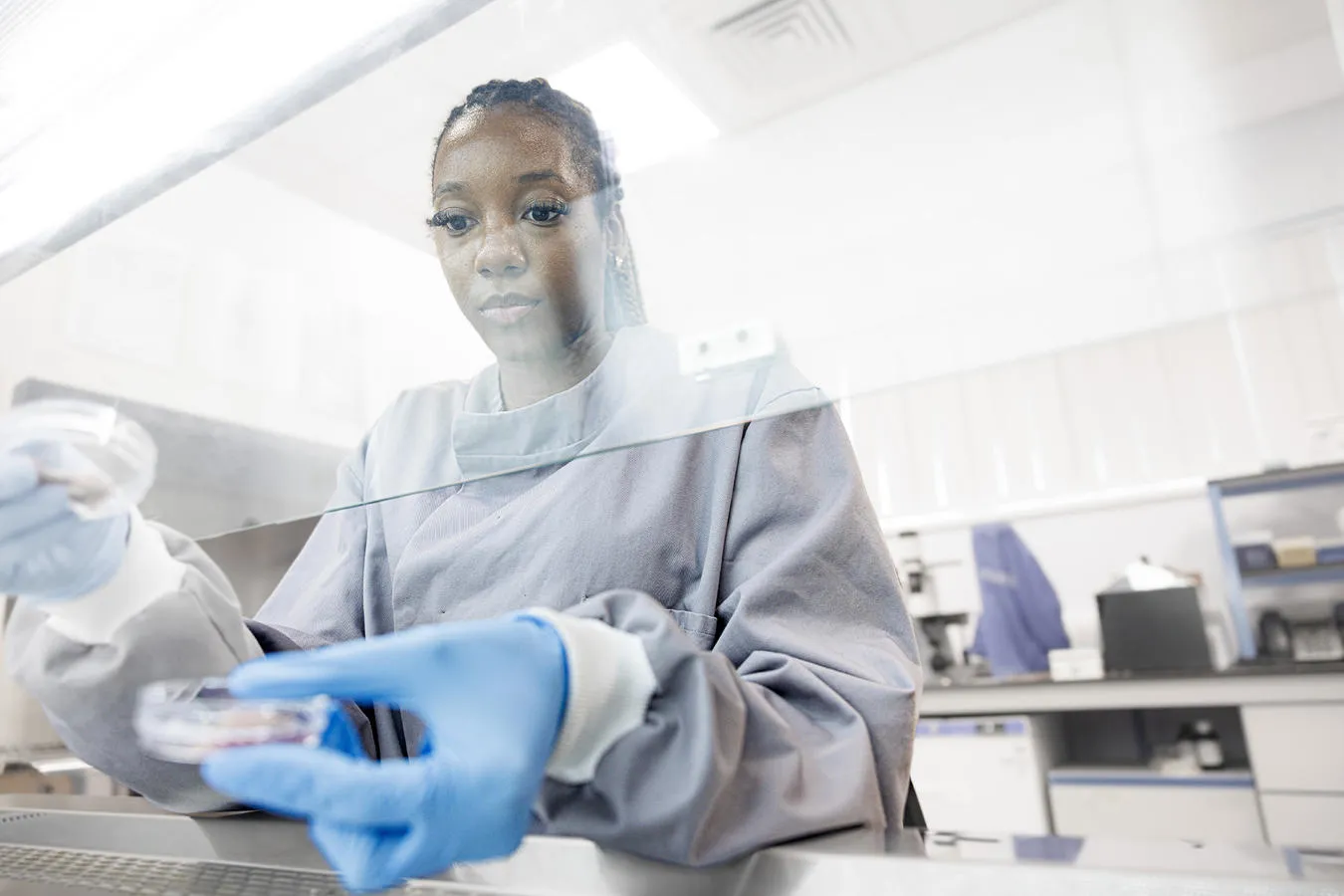
Dr Barbara Guinn, Reader in Biomedical Sciences, is at the forefront of research that could see the development of a game-changing urine test called EndoTect.
Dr Guinn said: “Women visit their GPs about endometriosis symptoms on average 10 times before being referred for investigations or treatment.
“One of the biggest challenges in women’s health is the lack of a non-invasive, diagnostic test that can help us determine if someone has endometriosis and make sure that they get treated with the right medication in the right timeframe.”
A faster diagnosis is the first step towards improving outcomes across the board and could transform women’s experiences and put them on a faster pathway to treatment.”Dr Barbara Guinn
Reader in Biomedical Sciences
The BBC Ideas film features women’s experiences of the physical, emotional and economic consequences of delayed diagnoses: missed work, disrupted education and careers, and years of living with poorly managed pain.
Symptoms vary from person to person and can include heavy periods, pelvic pain, fatigue, painful bowel movements, bloating and difficulty getting pregnant.
Although there is currently no cure, there are treatments that can reduce the severity of symptoms and improve quality of life.
The condition affects one in 10 women and is estimated to cost the UK economy around £8.2 billion a year. Diagnosis typically relies on ultrasound scans or invasive surgery to detect deep endometriosis.
EndoTect, a rapid, sensitive urine test could identify whether someone has endometriosis without the need for hospital visits, invasive procedures or long waits. If successful, it could reduce diagnosis times from years to days, offering patients early support and treatment.
Dr Guinn said: “Our non-invasive urine test will tell medical practitioners whether someone has endometriosis.
“Having endometriosis means you are four times more likely to have rheumatoid arthritis, and you’re four times more likely to have a cardiac event like a heart attack.
“The more I learn, the more I believe chronic inflammation is central to many of the symptoms, and we really need to do more research.
“A faster diagnosis is the first step towards improving outcomes across the board and could transform women’s experiences and outcomes and put them on a faster pathway to treatment.”
Dr Guinn’s research is backed by UK Research and Innovation (UKRI) with the aim of accelerating the journey from fundamental research to a test that could be used in clinics and GP surgeries. Her work is featured in Endometriosis: 'I thought I was dying' on BBC Ideas.
Share this story


Last updated 25 August 2026, 07.34
 Research and knowledge exchangeFaculty of Health SciencesCentre for BiomedicineHull York Medical School
What to read next
 Research & KE
Women’s health conference to drive progress to close health care gap
14 May 2026
 Research & KE
Major national research institute to reduce burden on NHS from chronic wounds
14 May 2026
Media enquiries
For all enquiries, please get in touch with our press office.