Forget sandbags, tape can keep out 99% of flood water
UK homes at risk of flooding could be better protected in an emergency using widely available and affordable tape rather than traditional sandbags, new University of Hull research published in Flood Action Week has found.
Tests conducted at the University’s state-of-the art Property Flood Resilience lab (PFRlab) compared low-cost temporary measures to stop floodwater entering homes.
Commissioned by Flood Re, the research found that flexible synthetic rubber tape reduced water leakage by 99% compared with an unprotected door and is highly effective. Duct tape reduced leakage by 97-98%, combining strong performance and affordability with ease of use.
Synthetic rubber tape, duct tape, aluminium tape, and yellow plastic tape all outperformed traditional sandbags when applied to the outside of a standard front door. Unlike sandbags which can become contaminated, tape is readily disposable. Synthetic sandless sandbags perform well but are difficult to use, dispose of and are expensive.
The Environment Agency estimates that 4.6 million people are at risk of surface water flooding, while the National Flood Risk Assessment identifies low-depth surface water flooding as the fastest-growing flood risk facing households.
As Flood Action Week highlights the importance of preparing for flooding before it happens, the findings provide practical evidence about measures householders can use to reduce damage when flooding threatens.
Sandbags remain a symbol of flood protection, but these tests turn that assumption on its head... some relatively simple and affordable products can do a much better job.Jonathan Kassian
Head of Flood Resilience, Flood Re
Jonathan Kassian, Head of Flood Resilience at Flood Re, said: “Flooding can be incredibly distressing and, when bad weather is on the way, people may have very little time to act. During Flood Action Week, we want people to understand their own flood risk and know what they can do before that moment comes. Having the right products ready, knowing how to use them and making your home more resilient can make a real difference.
“Sandbags remain a symbol of flood protection, but these tests turn that assumption on its head. What we have found is that some relatively simple and affordable products can do a much better job of keeping water out.”
The University of Hull is working with Flood Re to help households become more resilient to flooding. Research at the PFRlab will inform the development of Flood Performance Certificates designed to help homeowners better understand their flood risk and the measures that they can take to reduce it.
Professor Stuart McLelland, Professor of Water Science at the University of Hull, said: “The University of Hull has longstanding expertise in flood research. Through state-of-the art facilities at our PFRlab, we’re helping to design and develop practical solutions to better safeguard homes and properties.
“Through challenging established assumptions our research can deliver immediate benefits to householders, showing that something as cheap and readily available as tape can significantly reduce the damage that flooding can cause.
“By translating these results into clear, practical guidance, we can help households make better-informed choices, reduce the amount of floodwater entering their homes and strengthen people’s resilience to future flooding.”
Temporary measures such as tape are not a substitute for permanent, professionally specified and installed property flood resilience measures where these are needed. However, the findings show that relatively simple and affordable products can provide households with a simple additional line of defence against flooding.
Even the lowest-performing tape reduced leakage by 80%, compared to 70% for sandbags. Tape was cheaper, lighter, easier to store and keep ready to hand, and does not disintegrate or rot in the same way as sandbags.
A range of temporary flood barriers that were also tested produced more mixed results, ranging from full protection to a failure of protection, and depended on the skill of the installer and fit to the doorway.
Researchers tested measures to protect doors at flood depths of up to 600mm, with the work focused on replicating the type of low-level flooding experienced in Hull in 2007, when more than 8,600 residential properties and 1,300 businesses were damaged.
The tests, undertaken on six commonly used door types, also showed that the direction a front door opens can make a difference. Under the test conditions, a standard outward-opening door reduced leakage by 74% compared with an inward-opening door, even before any additional flood protection was installed. Applying tape to the outside of the door achieved significantly better results than taping the inside.
The report: Testing the Performance of Temporary Property Flood Resilience Solutions is available here.
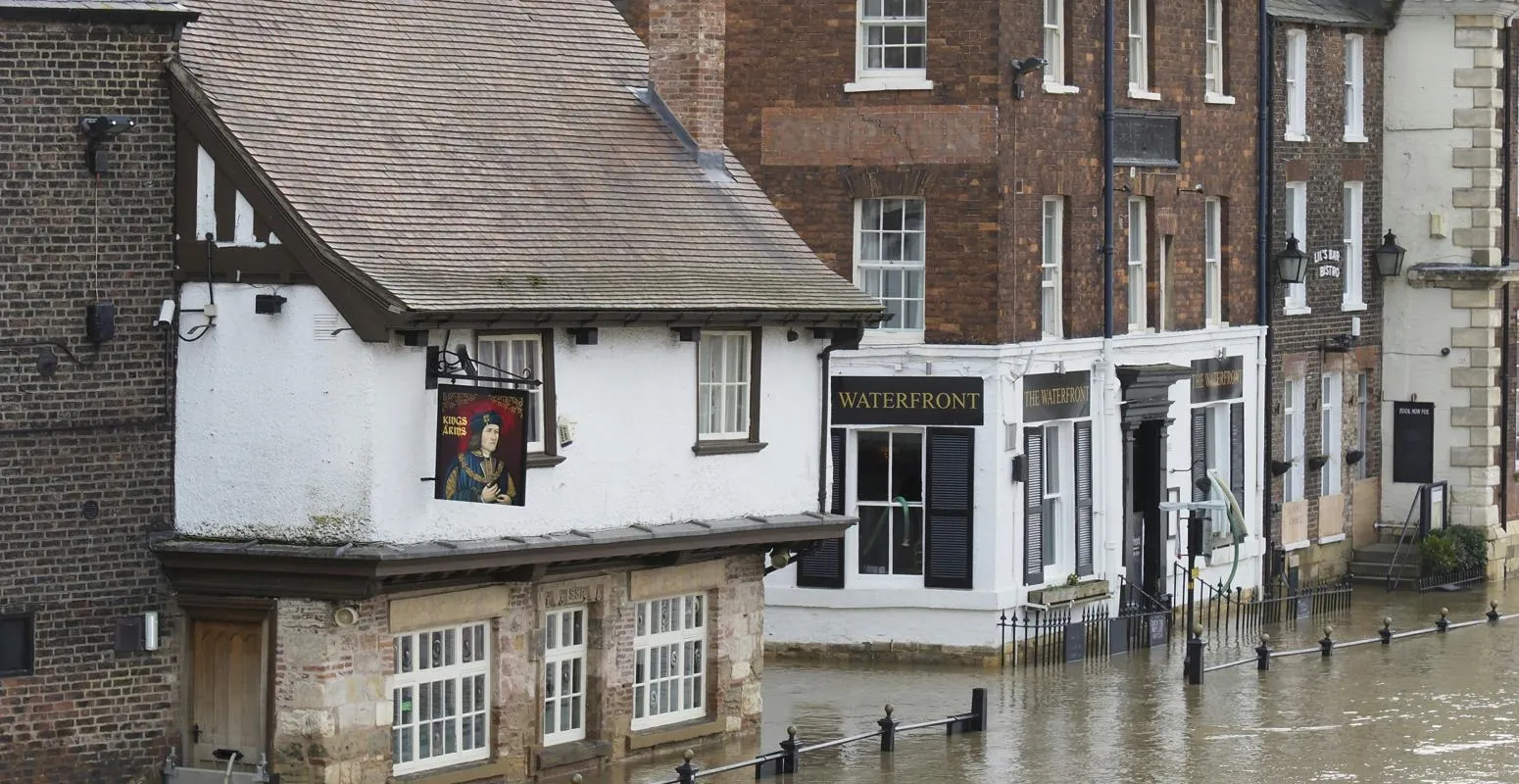
Testing at the PFRlab
2 mins
Share this story


Last updated 14 October 2026, 15.42
 Research and knowledge exchangeFaculty of Science and EngineeringEnergy and Environment InstituteSustainable world
Neil Trotter
Corporate Communications
What to read next
 Research & KE
New national network to accelerate UK flood resilience
12 October 2026
 Research & KE
Flooding Minister opens new University of Hull flood resilience centre
13 October 2025
Media enquiries
For all enquiries, please get in touch with our press office.