You were Head of Events working alongside former Prime Minister Rishi Sunak. What was that like?
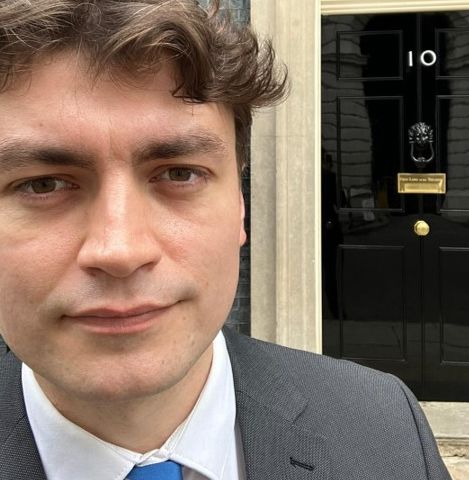
My most recent job in government was as Special Adviser to Rishi Sunak, where I was Head of Events and Visits. What that meant in practice was travelling all over the place with him and working in communications, helping tell the story of the government at the time. The placement I did at Hull as part of my degree placement helped me realise all these different jobs exist, careers I wouldn't have known about otherwise.
Without that experience, I'd probably have had a much more traditional view of what came next. I was doing a law degree, so I assumed there was a straightforward path to follow. Instead, the placement opened my eyes to a whole range of opportunities and showed me there were lots of different ways I could use my skills and interests, eventually leading to a job in No10.
You were awarded an OBE for political and public service. What did that recognition mean to you?
It was amazing and very unexpected. Because of my time as a Special Adviser and in the Civil Service, I was awarded the OBE. During that period, I worked on major projects including furlough and other economic support measures at the Treasury, before later working for Rishi Sunak.
It was a huge honour. At times, I felt uncomfortable receiving that kind of recognition when there are people out there saving lives every day who don't always receive the same acknowledgement. But I accepted it because it felt like a recognition of the values I grew up with. My parents both dedicated their lives to public service, and I saw it as a way of honouring that as well.
It also gave me the chance to fly the flag for people from backgrounds like mine. I come from a background where you might not necessarily expect to end up in the same room as former President Joe Biden, President Macron or other world leaders. Representing people who haven't had every advantage in life is important to me. Your background shouldn't be a barrier to what you can achieve, and if my story helps demonstrate that, then I'm incredibly proud of it.
"Your background shouldn't be a barrier to what you can achieve, and if my story helps demonstrate that, then I'm incredibly proud of it."
How did your experience in government inform your current role at Barclays?
I had an intense few years after university. I moved into some quite senior roles in government quickly, and what I realised was that pace isn't necessarily sustainable forever. At some point, you must think about what you want from the next stage of your career and find something that's a bit more grounded.
I decided to move back up north because I've always loved the North and had such a positive experience in Hull. I wanted to be closer to home while still doing a role that used the skills I'd developed at university and throughout my career. What appealed to me about Barclays was the chance to apply those skills in a different environment and at a different pace.
I also think there's been an interesting shift since I graduated. When I left university, if you wanted to work in politics, government or many legal professions, you often had to move to London. That was where the opportunities were. Ten years on, that's much less the case.
I now do my job from the North, and I think that'll become more common. It's an exciting time for graduates because you don't have to pack your bags and move to a very expensive city to build the career you want. With more opportunities, investment and decision-making happening across the country, there are increasingly strong career paths available outside London.
My experience in government shaped what I wanted to do next. I knew I wanted a role that built on my skills, but it also had to be based in a region I care about and where I felt I could make a difference. I feel very fortunate to have found that.
“It’s an exciting time for graduates because you don't have to pack your bags and move to a very expensive city to build the career you want.”
I understand that between leaving your role working with the Prime Minister and starting your current role, you also set up your own business. Could you tell me a little about that and the lessons you learned from it?
I always dreamt of running a bookshop with a café in it. As a Special Adviser, my position was tied to Rishi Sunak's, so when he lost his job, I effectively lost mine too. It gave me a great opportunity to do something completely different and start fresh.
It felt like one of those rare chances to try something you'd always wanted to do, so I went for it. It was amazing, and I had a fantastic year. But it was also a real crash course in the realities of working for yourself. Running a bookshop isn't about reading books all day. It's about managing budgets, profit and loss spreadsheets, stock and everything else that comes with running a business.
One of the biggest lessons was how transferable skills can be. I realised I'd picked up a huge amount throughout my career that could help me succeed in a completely different environment. You might not immediately think a career in politics would prepare someone to run a bookshop, but so many skills, particularly people skills, relationship-building and communication, can be applied anywhere.
It was an amazing experience. I met great people and learned a huge amount. It's given me a different perspective in my role at Barclays. Alongside my experience in politics and understanding how government and public affairs work, I now have experience of the challenges facing small businesses, the pressures they're under, and the support they need from institutions and government.
Overall, it's given me a more rounded perspective. Rather than seeing everything through a Westminster lens, I now have a better understanding of the realities facing businesses and communities on the ground, and that's been valuable.
"One of the biggest lessons was how transferable skills can be. I realised I'd picked up a huge amount throughout my career that could help me succeed in a completely different environment."
Have there been any individuals who have inspired or guided you along the way, from university through to where you are now?
I'd probably start with my parents. My dad is a proud Hull man which inspired me to go to the University of Hull.
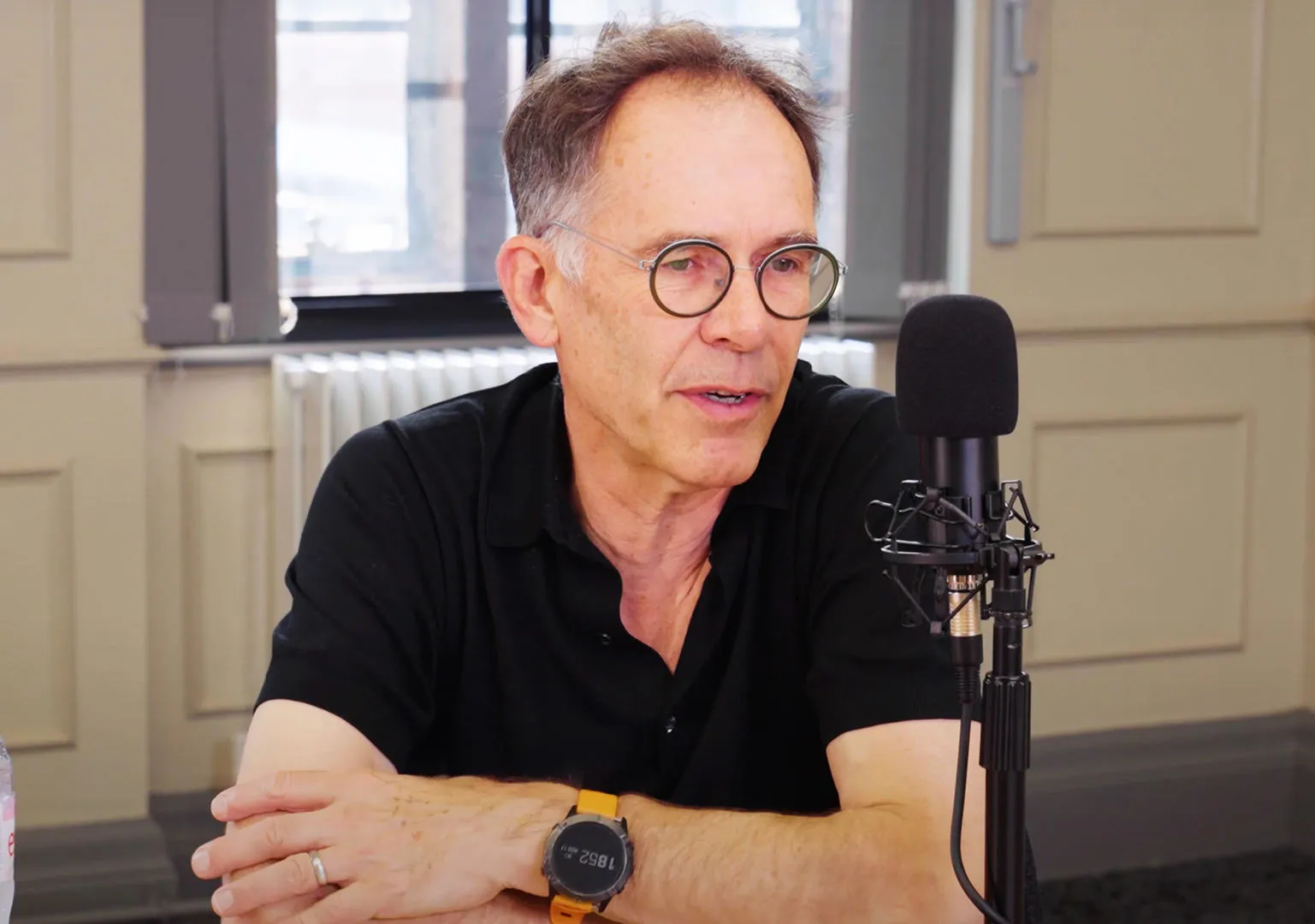
It has often been the people around me who had the biggest impact. I did have an amazing constitutional law lecturer called Simon Lee. I remember sitting in one of his classes in my first week and thinking, "This man is amazing." He asked everyone to put their hand up if they wanted to be a solicitor or barrister. Then he said, "Okay, half of you won't become solicitors or barristers, so what else are you going to do with these skills?"
It stuck with me because it challenged us to think beyond the obvious career paths. That's what great lecturers do. They encourage you to think differently and see possibilities you might not have considered.
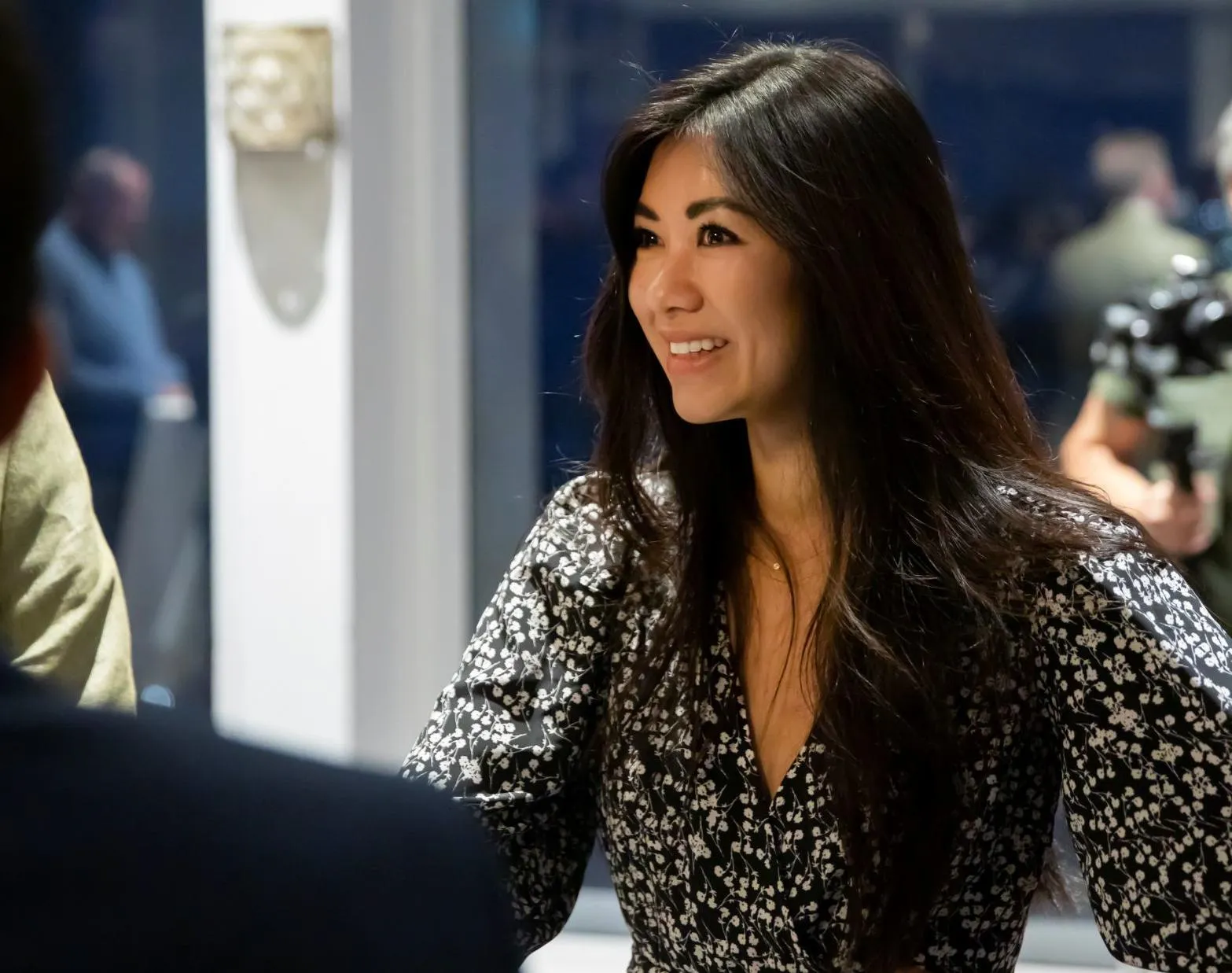
Beyond that, it was the friends and peers I met at university who have shaped who I am and the career I've gone on to have. Charlotte Miller, for example, is a very dear friend of mine. We went to London together for our placements, and we've always had a supportive friendship as well as a strong professional relationship.
We've supported each other throughout our careers, shared advice, introduced each other to helpful people and talked through opportunities and challenges. I genuinely don't think I'd have got through the last ten years in quite the same way without her.
What has been the most challenging moment in your professional journey and how have you overcome that?
I think the most challenging period was probably my time at Number 10. The pressure and intensity of the role really affected me at times. It was an incredibly busy period. You're working long hours, often seven days a week, and travelling all over the world.
From the outside, it sounds very glamorous, and there were certainly some amazing moments, but the reality is that sometimes you just want to be at home on the sofa watching Love Island.
What helped me get through it was taking a step back and reminding myself how far I'd come. I try not to use the word "lucky" because I don't think it was luck. I worked hard for those opportunities and put a lot into getting there.
Whenever I felt stressed or overwhelmed, I'd think about what the 20-year-old version of me at the University of Hull would have thought about the life I was leading. It reminds me that I'm exactly where I need to be, that I'm doing well and that whatever happens next, it'll be okay.
Whenever I've faced stressful moments in my career, that's what I've come back to: taking a step back, appreciating the opportunities I've had and remembering how far I've come.
You took part in a challenge that helped relaunch fundraising support for the Hull to Westminster Bursary Scheme. How did it feel to be part of that?
It was a fun evening. We took part in a University Challenge-style quiz night, and I was captain of the team. We won by a single point, which made it even more memorable.
It was nice seeing so many old friends and colleagues there. In political circles, people often talk about the "Hull Mafia" because there are so many University of Hull graduates working across politics and public affairs. It was great to get everyone together again.
Alongside being a fun event, it also had an important purpose. All of us in the room had benefited from the support and opportunities university can provide, and the bursary scheme is about helping the next generation access those same opportunities.
I care deeply about that. I want to do whatever I can to support students coming through now, just as others supported me and my peers when we were starting out. I really enjoyed being involved, and I'm keen to do more in the future.
What do you enjoy most about engaging with students and sharing your experiences?
It's about opening doors and opening people's eyes to the opportunities out there.
When you're studying subjects such as politics or law, it's easy to have a fixed idea of what your future career is going to look like. You might think there's only one path available to you, whether that's becoming a lawyer, working for an MP or following a particular profession.
What I enjoy most is encouraging people to think beyond that. It's about helping them realise there are lots of different routes they can take and careers they may never have considered.
A big part of that is encouraging people to say yes to opportunities, even if they feel slightly outside their comfort zone. Some of the best experiences in my career came from doing exactly that.
For me, it's about helping students see the bigger picture, giving them the confidence to think outside the box, and showing them they don't need to pigeonhole themselves into one career path. There are so many different opportunities out there, and if sharing my experiences helps someone discover one of them, that's really rewarding.
What advice would you give to students who aspire to work in government, public affairs or leadership roles, but doubt whether they can get there?
Say yes to things, even if they don't sound like the perfect role, project or opportunity. Sometimes something can look like a sideways step rather than a promotion, but you never know what's around the corner. You never know who you're going to meet, what you'll learn or where that opportunity might lead.
The second thing is networking. Everyone says it, but it's important. Meet as many people as you can and don't be afraid to reach out to people whose careers interest you. Ask them for a coffee or a conversation and find out how they got to where they are. Most people are happy to talk about their experiences and share advice. If you're a student or graduate, don't be afraid to reach out.
More than anything, I'd say don't let self-doubt convince you that certain opportunities are out of reach. A lot of the opportunities I've had come from being willing to put myself forward, meet new people and take chances when they came along.
Building relationships and staying curious will open doors. You never know where those doors might lead.
You were recently recognised as a laureate. What does that recognition mean to you, and what message would you like to leave for the next generation of graduates?
It's so special to be recognised by Hull in that way. I love the University of Hull. I fly the flag for it everywhere I go, and I'm proud to speak with a regional accent and come from this part of the world.
Being recognised by a university that gave me so much is meaningful. Hull gave me confidence, a sense of humour and the willingness to say yes to opportunities. For me, it's a special honour.
I'd say to students: don't let anyone tell you that you can’t do something. You are exactly where you need to be, and you already have everything within you to do what you want to do. Stay focused on your own path, say yes to opportunities and keep putting yourself forward.
You never know where those opportunities might take you. They might even take you behind the black door of Number 10, which is something I never imagined I'd experience when I was a student.
"Don't let anyone tell you that you can’t do it. You are exactly where you need to be, and you already have everything within you to do what you want to do. Stay focused on your own path, say yes to opportunities and keep putting yourself forward."
What's next for you now?
I'm looking forward to a slightly calmer decade after a very busy few years in government. It's been exciting to move back north and start putting down roots again.
The next step is thinking about what the next challenge might be. One thing I've realised is that I miss learning, so I've started thinking about whether I might do some formal study at some point.
I'm also interested in what I can do outside work to give back and support others. Beyond that, I'm still settling back into life in the North and enjoying that change of pace.